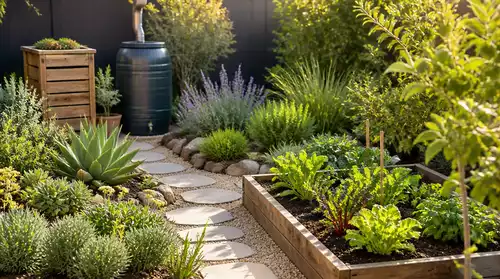
Are you ready to transform your outdoor space into a thriving oasis that benefits both you and the environment? Embracing eco-friendly gardening is not just a trend; it’s a sustainable lifestyle choice that can lead to a beautiful, low-maintenance garden. Let’s explore the key insights that will guide you on this rewarding journey!
What You Will Learn
- Implement sustainable practices to minimize waste and maximize resource efficiency.
- Enhance biodiversity by incorporating a variety of plants that support local wildlife and pollinators.
- Focus on soil health by using organic materials to enrich your garden naturally.
- Utilize water conservation techniques to reduce usage and lower water bills.
- Assess your gardening space effectively, whether it's a small yard or balcony, to plan a successful garden.
- Understand the long-term financial and environmental benefits of eco-friendly gardening.
- Create habitats that support local ecosystems, attracting beneficial insects and wildlife.
- Engage in practices that provide food and shelter for local wildlife, enhancing your garden's ecosystem.
Long-Term Benefits of an Eco-Friendly Garden
Understanding the significant advantages of creating an eco-friendly garden can help you appreciate its value in your life and the environment. For more detailed information on sustainable practices, consider learning about native plants for sustainable landscapes.
Cost Savings
- Lower water bills through efficient watering techniques.
- Reduced spending on chemical fertilizers and pesticides.
- Longer plant longevity, leading to fewer replacement costs.
Environmental Impact
- Supports biodiversity by attracting pollinators.
- Enhances soil health and reduces erosion.
- Minimizes resource usage and waste production.
Biodiversity Support
- Provides food and shelter for local wildlife.
- Encourages healthy ecosystems through diverse plant life.
- Creates habitats for beneficial insects and small animals.
Water Conservation
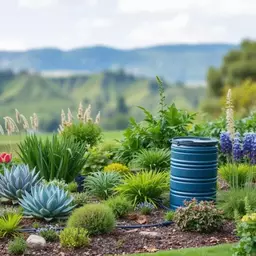
- Reduces water usage through drought-tolerant plants.
- Utilizes effective irrigation techniques.
- Promotes a sustainable garden environment.
Understanding Your Low Maintenance Eco-Friendly Garden Goals
Creating a low maintenance eco-friendly garden doesn’t have to feel overwhelming! In fact, it can be a rewarding journey that not only beautifies your outdoor space but also supports the environment. At Timberline Garden, I believe that every small step can lead to significant changes, and understanding your gardening goals is the first step towards achieving a sustainable green space.
Let’s dive into the essentials of eco-friendly gardening, which focuses on sustainability, biodiversity, and conservation. By implementing these principles, you can create an outdoor environment that thrives while using fewer resources. You’ll not only enjoy a stunning landscape but also contribute positively to your local ecosystem!
Defining Eco-Friendly Gardening: Principles and Benefits
So, what does eco-friendly gardening really mean? It revolves around practices that promote environmental health while allowing you to cultivate beautiful spaces. Here are some core principles to consider:
- Sustainable Practices: Use resources efficiently to minimize waste. You can find more information on sustainable landscape maintenance strategies here.
- Biodiversity: Incorporate a variety of plants to support wildlife and pollinators.
- Soil Health: Focus on enriching soil naturally with organic materials.
- Water Conservation: Implement techniques that reduce water usage.
By following these principles, the benefits are numerous! You’ll save on maintenance costs, reduce water usage, and create a vibrant habitat for local wildlife. Isn’t it rewarding to think that your gardening efforts can make such a positive impact?
Identifying Your Gardening Space: Small Yards, Balconies, and More
Next, let’s assess your gardening space. Whether you’re working with a small yard, a balcony, or even an urban rooftop, it’s essential to know what you have to work with. Start by asking yourself these questions:
- What is the size of my outdoor area?
- What type of sunlight does it receive?
- Is there access to water and drainage?
- What are my local climate conditions?
Understanding these aspects will help you make informed decisions when planning your low maintenance garden. For instance, if you have limited space, you might opt for vertical gardening or container plants! It’s all about making the most out of what you have!
At Timberline Garden, I’ve seen how even the smallest spaces can be transformed into lush, eco-friendly havens. Embrace the possibilities, and remember, every garden, big or small, has the potential to flourish!
Quick Summary
Here's a brief recap of the key points discussed so far:
- Eco-friendly gardening focuses on sustainability, biodiversity, and conservation.
- Identifying your gardening space is crucial for maximizing your gardening potential.
- Long-term benefits include cost savings, reduced water usage, and support for local ecosystems.
Frequently Asked Questions About Eco-Friendly Gardening
Here are some common questions about eco-friendly gardening that might help you on your journey:
- What are the main principles of eco-friendly gardening?
- Eco-friendly gardening focuses on sustainability, biodiversity, soil health, and water conservation. This means minimizing waste, supporting local wildlife, enriching soil naturally, and reducing water usage.
- How can I save money with an eco-friendly garden?
- You can save money through lower water bills by using efficient watering techniques and drought-tolerant plants. Additionally, you reduce spending on chemical fertilizers and pesticides, and longer plant longevity means fewer replacement costs.
- How do eco-friendly gardens support local ecosystems?
- They support local ecosystems by providing food and shelter for wildlife, attracting pollinators like bees and butterflies, and enhancing soil health while reducing erosion through diverse plant root systems.
- What should I consider when assessing my gardening space?
- When assessing your space, consider its size, the amount of sunlight it receives, access to water and drainage, and your local climate conditions. This helps in planning suitable plants and techniques.
- What are some practical ways to attract beneficial insects to my garden?
- To attract beneficial insects, incorporate native flowering plants, provide natural shelters like brush piles or rock gardens, and ensure water sources like bird baths or small ponds.
Evaluating the Long-Term Benefits of Your Eco-Friendly Garden
When we talk about the long-term benefits of an eco-friendly garden, the advantages stretch far beyond just aesthetic appeal. These gardens can lead to significant cost savings and contribute positively to our environment. But how do we assess these benefits? Let’s dive into a few key areas: cost, water savings, and environmental impact. By understanding these aspects, you can truly appreciate the value of your sustainable gardening efforts!
One of the first things to consider is the financial aspect. While setting up an eco-friendly garden may require some initial investment, the long-term savings can be impressive. For instance, using drought-tolerant plants reduces the need for extensive watering. Over time, this can lower your water bills and lessen the strain on local water resources. Plus, as your garden flourishes, you may find yourself spending less on fertilizers and pest control since native plants are more resilient. For more insights on financial aspects, explore sustainable landscaping and property value.
- Lower water bills through efficient watering techniques.
- Reduced spending on chemical fertilizers and pesticides.
- Longer plant longevity leading to fewer replacement costs.
How Low Maintenance Gardens Support Local Ecosystems
In addition to financial benefits, eco-friendly gardens play a crucial role in supporting local ecosystems. By planting native and drought-tolerant plants, we can create a habitat that encourages biodiversity. This is particularly important in our rapidly changing environment. The right plants can attract pollinators like bees and butterflies, which are essential for maintaining healthy ecosystems.
One of the most rewarding aspects of creating such a garden is seeing the positive impact it has on wildlife. When I look out at my own garden, I see a variety of birds and insects that thrive thanks to the native plants I’ve chosen. Here are some ways low-maintenance gardens support local ecosystems:
- Providing food and shelter for local wildlife.
- Supporting pollinator populations critical for plant reproduction.
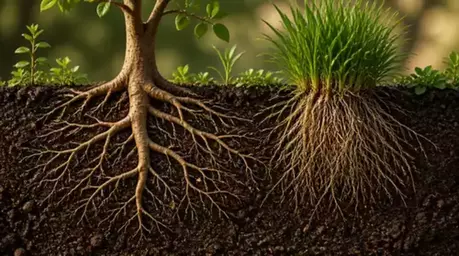
- Enhancing soil health and reducing erosion through diverse root systems.
Engaging with Beneficial Insects and Wildlife Habitat
Creating a habitat for beneficial insects is a vital step in promoting a thriving ecosystem. These insects help with everything from pollination to pest control! In my experience, incorporating plants that attract ladybugs and lacewings has made a noticeable difference in managing pests naturally. It’s fascinating to watch how these tiny creatures can have such a big impact!
To build a wildlife-friendly garden, think about including:
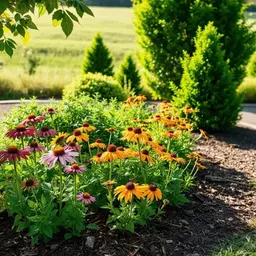
- Native flowering plants that attract bees and butterflies.
- Natural shelters like brush piles or rock gardens for insects and small animals.
- Water sources such as bird baths or small ponds for wildlife hydration. Consider effective sustainable irrigation system tips to ensure your water sources are efficient.
Engaging with the local ecosystem not only enhances your garden but fosters a deeper connection with nature. As you watch your garden evolve, it becomes a haven for wildlife and a source of pride for you as a steward of the environment! To further support your garden's health, learning about healthy soil through sustainable practices is highly beneficial.
Recap of Key Points
Here is a quick recap of the important points discussed in the article:
- Define Your Goals: Understand the principles of eco-friendly gardening, including sustainability, biodiversity, and soil health.
- Assess Your Space: Evaluate your gardening area by considering its size, sunlight, water access, and local climate conditions.
- Long-Term Benefits: Recognize the financial savings from reduced water bills and lower expenses on fertilizers and pest control.
- Support Local Ecosystems: Choose native and drought-tolerant plants to create habitats for local wildlife and pollinators.
- Engage with Nature: Incorporate beneficial plants and natural shelters to promote biodiversity and support beneficial insects.