What if I told you that the beauty of your landscape starts not just at the surface, but deep underground? Understanding tree root systems is fundamental for creating thriving outdoor spaces. As we explore this intricate world beneath our feet, you'll discover how these hidden structures shape the health and longevity of your trees.
Key Takeaways
- Tree root systems are complex networks that serve multiple functions, including structural support, nutrient uptake, and moisture absorption.
- The width of a tree's canopy is often correlated with its root spread, meaning roots can extend well beyond the tree's visible branches.
- Understanding root depth is crucial; deep-rooted trees are more stable and better equipped to access water and nutrients than shallow-rooted varieties.
- Soil composition significantly affects root development; sandy soils allow greater spread while clay soils can restrict growth.
- Tree roots play essential roles in preventing soil erosion, providing habitats for beneficial organisms, and enhancing nutrient cycling.
- Proper tree selection and placement are vital considerations for landscape planning to avoid future conflicts with structures and other plants.
- Implementing effective mulching and irrigation strategies can protect tree roots and support healthy growth.
- Consulting with landscape professionals can help you choose the right tree species and ensure optimal planting conditions.
Understanding Tree Root Systems: Depth and Spread
The relationship between tree root depth and spread is crucial for effective landscaping. Below is a comparison of the root characteristics across different tree types. For more insights into creating a resilient outdoor space, consider building a sustainable landscape design.
Tree Types with Shallow Roots
These trees typically thrive in wet areas and have limited depth:
- Willows
- Maples
- Birches
Tree Types with Deep Roots
These trees can withstand drought and have a robust root system:
- Oaks
- Pines
- Redwoods
Root Spread Patterns
Understanding how roots spread is crucial for landscape planning:
- Roots can extend 2-3 times wider than the canopy.
- Shallow roots can become surface hazards.
- Deep roots are more stable in storms.
Impact of Soil Composition
Soil type affects root depth and spread:
- Sandy soils promote root spread but lack nutrients.
- Clay soils retain moisture but restrict growth.
Unveiling the Complexity of Tree Root Systems for Effective Landscaping
When we think about trees, we often envision their majestic canopies reaching toward the sky. However, there's an entire world beneath the surface that plays a crucial role in the overall health and stability of our landscapes. Understanding tree root systems is key to effective landscaping. By grasping the intricacies of these underground structures, we can make informed choices that enhance the beauty and longevity of our outdoor spaces!
Defining Tree Root Systems: Beyond the Canopy
Tree root systems are more than just anchors—they are complex networks that serve various functions. These systems can vary significantly from one species to another, influencing how trees interact with their environment. A tree's roots not only support its structure but also play a vital role in nutrient uptake and water absorption. It’s fascinating to consider how much is happening underground!
Understanding the Relationship Between Canopy Width and Root Spread
Did you know that the width of a tree's canopy is often correlated with the spread of its roots? Generally, a tree’s roots can extend well beyond its canopy, reaching out to gather nutrients and moisture from the soil. This relationship is important to consider when planning your landscaping. It’s essential to provide ample space for the roots to grow, ensuring the tree can thrive! You can learn more about urban tree care tips to help your trees flourish in any environment.
Dispelling the Myth: Root Systems Often Outgrow Canopies
One common myth is that tree roots are confined to the area directly beneath the canopy. In reality, many trees have root systems that can extend two to three times wider than their branches. This means that when planting, you’ll need to think about not just the current size of the tree but also its potential growth. Planning for the future can save you from landscaping headaches down the road.
Root Depth and Spread: Key Factors in Tree Health
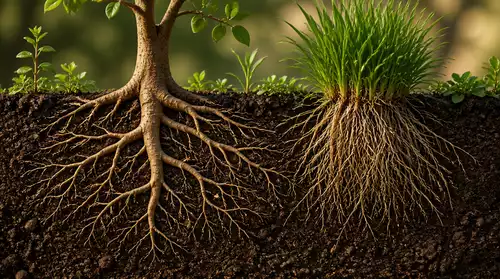
The depth and spread of tree roots are critical factors that contribute to their overall health. A deep-rooted tree is often more stable and better able to access water and nutrients from deeper soil layers. On the other hand, shallow roots can lead to a tree being more vulnerable to environmental stressors, such as drought or heavy winds.
Measuring Root Depth: Insights on Shallow vs. Deep Roots
Understanding root depth can help you determine the most appropriate tree species for your landscape. Here are some insights:
- Shallow Roots: Typically found in trees like willows, which thrive in wet areas.
- Deep Roots: Trees like oaks and pines have deeper root systems, which help them withstand drought.
- Mixed Depths: Some species have a combination of both shallow and deep roots, offering a balance of stability and nutrient access.
Root Spread Patterns: How They Affect Landscaping Choices
Just as root depth is important, so is root spread. The pattern in which roots spread can impact your landscaping choices significantly. Whether you’re planning a new garden bed or installing hardscaping features, knowing the root spread can help you:
- Choose the right location for planting to avoid future conflicts with structures.
- Avoid plants that may compete for nutrients and space with trees.
- Ensure proper drainage in areas where roots may impede water flow.
Examining Soil Composition: The Impact on Root Depth and Spread
The type of soil in your yard can greatly influence how deep and wide a tree's roots will grow. Different soil compositions can either promote or hinder root development. For example, sandy soils allow for greater root spread but may lack nutrients, while clay soils can retain moisture but may restrict root growth. Understanding these factors can help you create an optimal environment for your trees. Soil testing might be a small step, but it leads to significant benefits! For more on soil health, see our guide on soil health essential for landscapes.
Functional Roles of Tree Root Systems in Landscaping
Tree roots play essential roles that extend beyond just anchoring the tree in place. They are vital for the overall functionality of your landscape, contributing to its beauty and health. Let’s explore some of these incredible functions!
Anchorage: How Roots Stabilize Trees in Various Conditions
One of the primary functions of tree roots is to provide anchorage. A well-developed root system stabilizes a tree in windy conditions and allows it to withstand storms. This stabilization is crucial, especially for larger trees that can become top-heavy over time. When planning your landscape, consider the importance of a strong root system for tree stability.
Nutrient Uptake: The Importance of Soil Oxygen and Water Absorption
Roots are also responsible for absorbing water and nutrients from the soil. They interact with the soil to extract essential elements that support the tree's health. This process helps to create a thriving ecosystem in your garden. Remember, the more robust the root system, the better the nutrient uptake!
Mycorrhizal Fungi: Enhancing Nutrient Cycling and Soil Health
An amazing fact about tree roots is their relationship with mycorrhizal fungi. These fungi form a symbiotic relationship with tree roots, enhancing nutrient cycling and improving soil health. By fostering these relationships, we can promote healthier trees and gardens overall. It’s a natural collaboration that benefits everyone involved!
Identifying and Solving Common Landscaping Issues Related to Roots
Understanding tree root systems also helps us identify and solve common landscaping issues. Many challenges arise from roots, but with a bit of knowledge, most can be managed effectively. Let’s take a look at some of these challenges!
Surface Roots: Challenges and Management Techniques
Surface roots can create obstacles in your landscape, often becoming a tripping hazard or competing with grass and plants for nutrients. To manage these roots, consider the following techniques:
- Use decorative stones or mulch to cover exposed roots while allowing for air and moisture.
- Plant ground covers that can coexist with surface roots.
- Regularly monitor surface roots to ensure they aren't causing significant harm to your plants!
Erosion Control: The Role of Roots in Preventing Soil Loss
Roots are essential for controlling erosion. They help bind soil together, preventing it from washing away during heavy rains. When landscaping, it's vital to select trees and plants that will effectively anchor soil in place—this is especially crucial on slopes or areas prone to erosion.
Understanding Root Barriers: Legal and Engineering Considerations
In some cases, tree roots can encroach on pathways or foundations, leading to damage. Understanding root barriers can help prevent these issues. When installing barriers, consider:
- Choosing the right material to effectively redirect roots.
- Consulting local regulations regarding root barriers, as they may vary.
- Implementing barriers early during the landscaping process for the best results!
Compacted Soil and Drainage Issues: Solutions for Healthy Root Zones
Compacted soil can be detrimental to root growth, making it difficult for roots to absorb water and nutrients. To improve compaction issues, consider:
- Regularly aerating your soil to promote better airflow.
- Incorporating organic matter to improve soil structure.
- Ensuring proper drainage systems are in place to prevent waterlogging.
Best Practices for Planting and Maintaining Healthy Tree Roots
Finally, let's delve into best practices for planting and maintaining healthy tree roots. By following these tips, you’ll set your trees up for success!
Choosing the Right Tree Species: A Species-Specific Approach
Every tree species has unique root characteristics that influence its growth and health. When selecting trees for your landscape, consider the following:
- Researching native species that are adapted to your local environment.
- Consulting with local nurseries or landscape professionals for recommendations.
- Understanding each species’ root depth and spread to avoid future issues!
Optimal Soil Conditions: The Impact of Soil Types on Root Growth
As mentioned earlier, soil composition can significantly impact root health. Aim for optimal soil conditions by:
- Testing soil pH and nutrient levels to ensure they meet your trees' needs.
- Improving drainage through amendments if necessary.
- Regularly adding organic mulch to retain moisture and improve soil quality.
Effective Mulching Techniques: Best Practices for Root Protection
Mulching is a great way to protect tree roots while enhancing the landscape. To mulch effectively, remember to:
- Apply a layer of organic mulch that is 2-4 inches thick.
- Keep the mulch a few inches away from the tree trunk to prevent rot.
- Replenish mulch as it breaks down to maintain its effectiveness!
Implementing Irrigation Strategies for Moisture Retention
Finally, trees need consistent moisture for healthy root development. To support this, consider the following irrigation strategies:
- Water deeply and infrequently to encourage deep root growth.
- Use drip irrigation systems to minimize evaporation.
- Monitor moisture levels regularly to avoid overwatering or drought stress.
By applying these best practices, you can ensure your trees thrive and contribute positively to your landscape. At Timberline Garden, we believe that understanding tree roots is a vital step toward creating beautiful, sustainable outdoor environments. Let’s keep learning and growing together!
Pro Tip
Did you know? When planting trees, it's beneficial to create a wider planting hole than the root ball itself. This practice encourages root expansion and growth, allowing the tree to adapt better to its new environment and access nutrients more efficiently. Additionally, incorporating organic matter into the backfill soil can improve drainage and soil structure, leading to healthier root systems.
Summarizing the Importance of Understanding Tree Root Systems
When it comes to landscaping, the significance of tree root systems cannot be overstated. Understanding how roots function not only enhances the aesthetic appeal of your outdoor space but also promotes the overall health of your trees. As I reflect on my experiences with Timberline Garden, I've seen firsthand how proper knowledge can transform landscapes, leading to thriving environments that everyone can enjoy!
Consolidating Key Takeaways for Better Landscaping Planning
As we delve deeper into tree care, let’s highlight some essential points that can guide your landscaping journey. Firstly, selecting the right trees for your specific environment is critical. Here are some key takeaways:
- Tree Selection: Choose species that thrive in your local soil and climate.
- Placement Matters: Consider the canopy size and root spread to avoid future issues.
- Regular Maintenance: Keep an eye on root health to ensure long-term vitality.
By focusing on these points, you’ll set a solid foundation for a flourishing landscape. Remember, your choices now will pay off in the beauty and health of your trees for years to come!
Emphasizing the Need for Proper Tree Selection and Placement
When we think about landscaping, it’s not just about how trees look; it's about where they are planted! Proper tree selection and placement can make all the difference in creating a harmonious outdoor environment. Always consider the mature size of the tree, including both its canopy and root systems, before making that exciting purchase! For personalized guidance, explore professional tree care services.
Here’s a quick checklist to ponder:
- Assess the space available for growth.
- Research the specific needs of each tree species.
- Consider potential interactions with structures, sidewalks, and other plants.
Highlighting the Role of Roots in the Ecosystem: Beyond Aesthetics
Roots are the unsung heroes of our landscapes! They do much more than anchor the tree; they play a vital role in the ecosystem. Healthy root systems enhance soil structure, promote moisture retention, and support a variety of beneficial organisms. Think about how much we rely on these hidden elements when creating our gardens!
Let’s not forget the essential functions that roots serve:
- Preventing soil erosion.
- Providing habitats for beneficial soil microbes.
- Improving water infiltration and nutrient cycling.
Understanding Ecosystem Services Provided by Healthy Tree Root Systems
Healthy trees are the backbone of any successful landscaping project. They contribute to the environment in ways that are often overlooked. Not only do they beautify spaces, but they also offer critical ecosystem services that we should all appreciate. By understanding these benefits, we can make better decisions for our landscapes!
Some vital services provided by tree root systems include:
- Carbon sequestration, helping to reduce greenhouse gases.
- Improved air quality through oxygen production.
- Habitat creation for local wildlife.
Call to Action: Engaging with Expert Resources and Tools
Now that we’ve explored the fascinating world of tree root systems, it’s time to put this knowledge into action! Whether you’re a homeowner or manage commercial properties, connecting with experts can elevate your landscaping game. Don't hesitate to reach out to professionals at Timberline Garden for tailored advice that suits your needs.
Encouraging Consultation with Landscape Professionals
Consider consulting with landscape professionals who understand the nuances of tree care. They can help you select the best species and placement for your unique environment. After all, having a knowledgeable partner by your side can make all the difference!
Utilizing Online Resources for Ongoing Education on Tree Root Systems
In our digital age, a wealth of information is at your fingertips! Dive into online resources that offer insights on tree root systems and landscaping best practices. These tools can enhance your understanding and empower you to create stunning landscapes.
Promoting Sustainable Practices in Urban Forestry
Lastly, let’s embrace sustainable practices in our urban forestry efforts! By prioritizing health and sustainability, we can foster environments that thrive for generations to come. Every small step we take today will lead to a greener tomorrow! You can explore more about sustainable tree care for homeowners to contribute to a healthier planet.
FAQs about Tree Root Systems
- 1. What are the key functions of tree root systems?
- Tree root systems primarily provide structural support, absorb water, and take up essential nutrients from the soil. They are also crucial for anchoring the tree, preventing soil erosion, and enhancing nutrient cycling.
- 2. How far do tree roots spread in comparison to the canopy?
- Tree roots can often extend two to three times wider than the tree's canopy. This wide spread allows them to efficiently gather water and nutrients, which is an important consideration for landscape planning.
- 3. What is the difference between shallow-rooted and deep-rooted trees?
- Shallow-rooted trees, like willows, typically thrive in wet conditions and have roots closer to the surface. Deep-rooted trees, such as oaks and pines, have extensive root systems that reach deeper into the soil, making them more resilient to drought and providing greater stability.
- 4. How does soil composition affect root development?
- Soil composition significantly impacts root growth. Sandy soils generally allow for greater root spread but may be nutrient-poor, while clay soils retain moisture but can restrict root growth due to their density. Optimal soil conditions are vital for healthy root development.
- 5. What are some common landscaping issues related to tree roots, and how can they be managed?
- Common issues include surface roots (which can be tripping hazards or compete with other plants), root encroachment on structures, compacted soil, and drainage problems. These can be managed through techniques like mulching, planting ground covers, installing root barriers, aerating soil, and improving drainage systems.
- 6. Why is proper tree selection and placement important for root health?
- Choosing the right tree species for your local environment and considering its mature size (both canopy and root spread) is crucial. Proper placement prevents roots from damaging structures, competing with other plants, and ensures the tree has ample space to thrive.
- 7. What role do mycorrhizal fungi play in tree root systems?
- Mycorrhizal fungi form a symbiotic relationship with tree roots, enhancing nutrient cycling and improving overall soil health. This natural collaboration helps trees absorb nutrients more efficiently.
- 8. What are some best practices for maintaining healthy tree roots?
- Best practices include choosing the right tree species, ensuring optimal soil conditions (through testing and amendments), implementing effective mulching techniques (2-4 inches thick, away from the trunk), and applying appropriate irrigation strategies (deep and infrequent watering).
Recap of Key Points
Here is a quick recap of the important points discussed in the article:
- Understanding Tree Root Systems: Recognize that tree roots play a vital role in stability, nutrient uptake, and water absorption, extending well beyond the canopy.
- Root Depth and Spread: Different species have unique root characteristics; deep roots provide stability, while shallow roots can be more vulnerable to environmental stressors.
- Soil Composition Matters: Soil types greatly influence root growth, so testing and amending soil can lead to healthier trees.
- Proper Tree Selection and Placement: Choose species suited for your local environment and plan for their mature size to avoid future landscaping issues.
- Regular Maintenance: Keeping an eye on root health and implementing effective irrigation and mulching techniques helps ensure long-term vitality.
- Consulting Professionals: Engaging with landscape experts can provide tailored advice and improve your landscaping outcomes.