Did you know that a single pollinator garden can support the ecosystem health of your entire community? Creating a thriving pollinator garden not only beautifies your space but also significantly contributes to biodiversity. Here are some key takeaways to help you start your gardening journey!
What You Will Learn
- Understanding biodiversity is crucial; a diverse garden attracts various pollinators, promoting a healthier ecosystem.
- Pollinator gardens provide essential food and habitat, supporting pollinators year-round through careful plant selection.
- Incorporating native plants like Milkweed, Asters, and Coneflowers can significantly enhance your garden's appeal to local pollinators.
- Creating educational resources like infographics and guides can empower your community to engage in biodiversity efforts.
- Even small spaces can make a big impact; every pot or planter counts towards supporting pollinator populations.
- Simple steps like gathering resources and joining local initiatives can help you design your own effective pollinator garden.
Creating a Pollinator Garden: Key Elements
Understanding the importance of biodiversity and choosing the right plants are essential for a thriving pollinator garden. For more detailed insights on how to foster a greener environment, consider exploring resources on native plants for sustainable landscapes.
Importance of Biodiversity
Pollinator gardens support about 75% of the world’s flowering plants, enhancing ecosystem health and resilience.
Choosing Native Plants
Select plants that bloom in different seasons to provide food for pollinators from spring to fall.
Essential Plants
Key species like Milkweed, Asters, and Coneflowers are vital for sustaining pollinator populations.
Year-Round Blooms
Consider plants like Bee Balm, Coneflowers, and Milkweed for continuous blooms throughout the year.
Creating a Thriving Pollinator Garden for Biodiversity
Creating a pollinator garden is one of the most rewarding experiences I’ve encountered in my years of landscaping and tree care. Not only does it beautify your outdoor space, but it also plays a critical role in supporting biodiversity. Did you know that pollinators like bees, butterflies, and hummingbirds are essential for about 75% of the world’s flowering plants? Let’s explore why these gardens matter and how you can start your own!
Understanding the Importance of Biodiversity in Gardens
Biodiversity in gardens is essential for maintaining a healthy ecosystem. A diverse range of plants attracts various pollinators, which helps ensure that your garden flourishes while contributing to local wildlife. When you cultivate a variety of species, you also create a balanced environment that can withstand pests and diseases more effectively. This approach aligns well with principles for permaculture principles for landscaping, promoting ecological harmony.
Why Pollinator Gardens Matter for Ecosystem Health
Pollinator gardens are crucial for ecosystem health because they provide food and habitat for essential insects and birds. By planting flowers that bloom at different times of the year, you create a reliable food source. This consistent supply helps to maintain healthy populations of pollinators, which in turn supports the entire food chain.
Benefits of Supporting Native Pollinators
Supporting native pollinators offers numerous benefits for your garden and the environment. Some of these advantages include:
- Increased productivity: Native pollinators are often more effective than non-native species, leading to better yields for your plants.
- Adaptation to local climate: Native species are well-adapted to your region’s specific conditions, making them easier to maintain.
- Improved soil health: A diverse garden can enhance soil structure and fertility through natural processes.
Key Elements of Designing a Successful Pollinator Garden
Designing a successful pollinator garden is about more than just planting pretty flowers. It’s essential to consider various elements that will create a thriving habitat for these important creatures. By carefully selecting plants and planning your layout, you can ensure your garden attracts and supports a range of pollinators!
Choosing the Right Native Plants for Continuous Bloom
The key to a successful pollinator garden is selecting native plants that bloom at different times throughout the growing season. This ensures that pollinators have access to food from spring through fall. Some excellent choices include:
- Spring: Wildflowers like Virginia Bluebell or Dutchman's Breeches.
- Summer: Black-eyed Susans and Bee Balm.
- Fall: Goldenrods and Sedums.
Essential Pollinator Plants: Milkweed, Asters, and Coneflowers
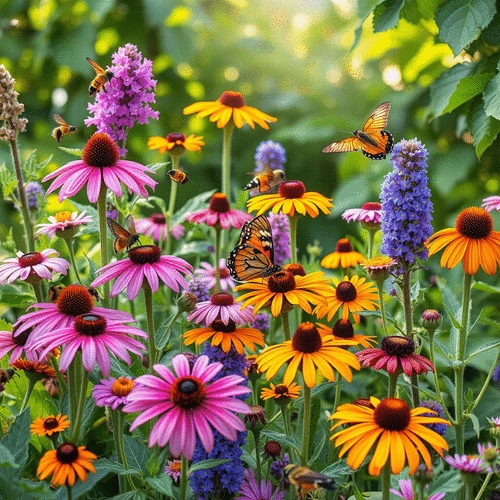
Incorporating specific species like Milkweed, Asters, and Coneflowers can make a significant difference. Milkweed is vital for monarch butterflies, while Asters and Coneflowers are favorites among bees. These plants not only add beauty to your garden but also support the life cycles of various pollinators. For further guidance on plant selection, check out our insights on embracing native plants in landscaping.
Incorporating Bee-Friendly Flowers and Hummingbird Plants
Don’t forget to add bee-friendly flowers and plants that attract hummingbirds! Some popular options include:
- Bee Balm: A magnet for bees and butterflies.
- Salvia: Hummingbirds love these vibrant blooms!
- Lavender: Not only smells great but also attracts many pollinators.
By thoughtfully selecting plants that cater to various pollinators, you’ll be well on your way to creating a thriving and vibrant garden! At Timberline Garden, we believe every small step you take for biodiversity counts. Let’s keep our ecosystems buzzing and blooming together!
Quick Summary
Here's a brief recap of the key points discussed so far:
- Biodiversity Benefits: Pollinator gardens support essential insects and birds, improving ecosystem health.
- Native Plants: Selecting native plants that bloom at different times ensures continuous food availability for pollinators.
- Community Engagement: Educating others about pollinator gardens can inspire collective action towards biodiversity.
Frequently Asked Questions About Pollinator Gardens
Q1: What is a pollinator garden and why is it important?
A pollinator garden is a garden specifically designed to attract and support pollinators like bees, butterflies, and hummingbirds by providing them with food and habitat. These gardens are crucial for biodiversity, as pollinators are essential for the reproduction of about 75% of the world's flowering plants, contributing to ecosystem health and food production.
Q2: What are the key elements to consider when designing a pollinator garden?
Key elements include understanding biodiversity, choosing the right native plants, selecting plants that bloom continuously from spring to fall, and incorporating essential pollinator plants like Milkweed, Asters, and Coneflowers. It's also beneficial to include bee-friendly flowers and plants that attract hummingbirds.
Q3: How do native plants benefit a pollinator garden?
Native plants are crucial because they are well-adapted to the local climate and soil conditions, making them easier to maintain. They also provide the most suitable food sources and habitats for local pollinators, which are often more effective at pollination than non-native species. This leads to increased productivity and improved ecosystem health.
Q4: Can a small space make a difference in supporting pollinators?
Absolutely! Even small spaces like balconies, patios, or window boxes can host pollinator-friendly pots and planters. Every effort, no matter how small, contributes to providing essential resources for pollinators and helps to build a network of habitats across communities.
Q5: How can I engage my community in creating pollinator gardens?
You can engage your community by creating educational resources such as infographics and guides on native plants and gardening tips. Hosting gardening workshops, participating in local pollinator awareness campaigns, and sharing your own garden's successes can also inspire others to get involved.
Engaging with Your Community and Nature
Creating a vibrant and thriving pollinator garden is not just a personal endeavor; it’s also a fantastic opportunity to engage with your community! At Timberline Garden, I believe that sharing knowledge about these gardens can create a ripple effect, encouraging more people to embrace biodiversity in their own backyards. To help spread the word, we can develop educational resources that make it easy for everyone to get involved.
One effective way to educate others is by offering checklists and guides that cover essential topics. Imagine creating a simple infographic that outlines the best plants for attracting pollinators or a PDF that provides tips on maintaining a healthy garden. These resources can empower your friends and neighbors, making it easier for them to understand the benefits of sustainable gardening practices.
Creating Educational Resources and Checklists
When it comes to learning about pollinator gardens, visual aids can be incredibly helpful! Here are a few ideas for resources that can make a real impact:
- Infographics: Create colorful infographics highlighting native plants and their benefits to pollinators.
- PDFs: Offer printable guides that outline care tips and planting schedules for different regions.
- Interactive Garden Planners: Develop tools that allow users to filter plants based on local climate and soil conditions.
By making this information accessible, you can inspire others to join the movement! Hosting gardening workshops or participating in local pollinator awareness campaigns can also draw attention to the importance of these gardens. Discover more about how to create a sustainable environment by building a sustainable landscape design.
Addressing Common Questions About Pollinator Gardens
People often have questions about pollinator gardens, and addressing these can help demystify the process. Here are some common inquiries and concise answers to guide your discussions:
- What Are the Best Plants for Attracting Pollinators Year-Round? Consider options like bee balm, coneflowers, and milkweed for continuous blooms.
- How Can Small Spaces Contribute to Biodiversity? Even a small balcony can host a few pollinator-friendly pots, making a difference!
- How to Create Butterfly Habitats and Support Monarch Butterflies? Include native milkweed plants to provide food and shelter for these beautiful creatures.
Answering these questions can help dispel myths and motivate others to dive into their gardening projects!
Taking Action for Biodiversity Through Your Garden
Now that we’ve discussed engaging others, let’s focus on how you can take action! Designing your own pollinator garden is a rewarding experience that contributes to biodiversity in your community. I always encourage my readers to start small and build from there, so here are some steps to get you going!
Steps to Start Designing Your Own Pollinator Garden
To set your garden on the right path, consider these essential steps:
- Gathering Resources: Collect books, websites, and local nursery information to help you choose the best plants.
- Joining Local Initiatives: Participate in community events that promote pollinator support.
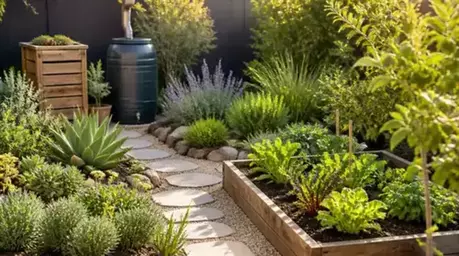
- Incorporating Companion Planting: Pair your flowers with herbs and vegetables to enhance pollination.
By following these steps, you’re not just enhancing your own space; you’re becoming a part of something much bigger! Your actions can inspire neighbors and friends to join you in supporting our pollinators. For professional guidance on maintaining a vibrant outdoor space, consider exploring professional tree care services explained.
Final Thoughts on the Impact of Pollinator Gardens
As you embark on this journey, remember that every little bit helps! Individual actions play a crucial role in boosting biodiversity and creating a healthier environment. Your pollinator garden can become a beacon of hope and inspiration in your community, showing others how they can make a difference.
Encourage your friends and family to get involved in pollinator garden design! Share your successes and challenges with them, and invite them to join you in planting their own spaces. Together, we can foster an appreciation for nature and promote sustainable living practices that benefit us all!
Recap of Key Points
Here is a quick recap of the important points discussed in the article:
- Biodiversity in gardens supports healthy ecosystems by attracting various pollinators.
- Choosing native plants that bloom at different times of the year provides a continuous food source for pollinators.
- Integrating essential plants like Milkweed, Asters, and Coneflowers supports specific pollinator species.
- Engaging with your community through educational resources can inspire collective action for biodiversity.
- Starting small with your pollinator garden can make a significant impact on local ecosystems.