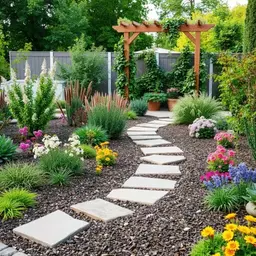
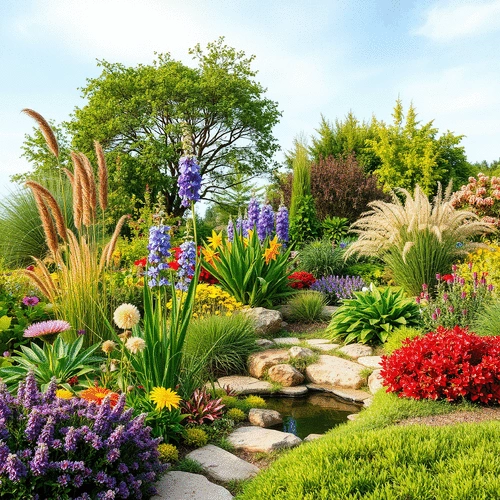
In an age where environmental sustainability is more crucial than ever, understanding the role of native plants in landscape design can transform your garden into a thriving ecosystem. These plants not only beautify our spaces but also support local wildlife and promote biodiversity. Imagine walking through your own backyard, surrounded by resilient, low-maintenance flora that requires minimal resources while providing habitat for pollinators and other creatures. Making the shift to native landscaping is not just a trend; it's a vital step toward a sustainable future.
What You Will Learn
- Native plants are well-suited to local climates and ecosystems, making them more resilient and easier to maintain.
- Incorporating native plants enhances biodiversity by providing habitats and food sources for local wildlife.
- Sustainable landscape design can significantly reduce water usage and pesticide reliance through the use of native species.
- Native plants offer ecosystem services such as pollination, soil health improvement, and water management, contributing positively to the environment.
- Challenges like soil preparation and establishment can be overcome with proper planning and care when using native plants.
- Engaging with local nurseries and community initiatives can provide valuable resources and support for implementing native landscaping.
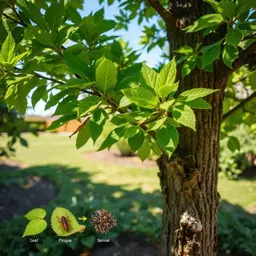
- Understanding and managing invasive species is essential to maintaining a healthy native plant landscape.
Benefits of Using Native Plants in Landscape Design
Native plants offer various advantages that contribute to both biodiversity and sustainability in landscaping. Below is a summary highlighting key benefits. For a deeper dive into creating an eco-friendly outdoor space, explore our guide on designing a water-efficient garden.
Improved Biodiversity
Enhances local ecosystems by attracting a variety of wildlife.
Low Maintenance
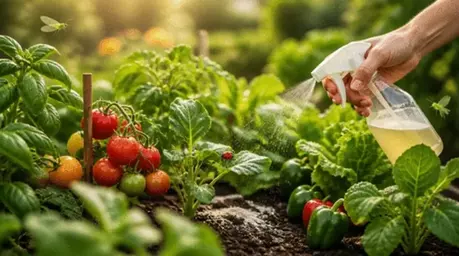
Requires less water, fertilizer, and pesticides compared to non-native species.
Resistance to Pests
Evolved alongside local pests, making them more resilient to diseases.
Ecosystem Services
Provide essential services such as air and water purification and soil stabilization.
Understanding the Significance of Native Plants in Landscape Design
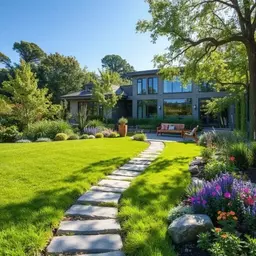
When we dive into the topic of landscape design, we can't overlook the importance of using native plants! These plants are not only capable of thriving in their local environments, but they also play a crucial role in supporting our ecosystems. By incorporating native plants into our gardens and landscapes, we can create a sustainable environment that benefits both us and the wildlife around us.
So, what exactly are native plants? Simply put, they are species that have naturally occurred in a specific region for thousands of years. They’ve adapted to the local climate, soil, and wildlife, making them perfectly suited for our landscaping needs. By using these plants, we can foster a healthier ecosystem right in our backyards!
Defining Native Plants and Their Role in Ecosystems
Native plants hold a special place in the ecosystems they inhabit. They provide essential habitats and food sources for various species, including insects, birds, and other wildlife. By using native plants, we not only enhance the beauty of our landscapes but also support the natural balance of our local ecosystems.
Furthermore, native plants are often hardier and require less maintenance compared to non-native species. This is because they are already adapted to local environmental conditions. Here are some of the benefits of using native plants in your landscape:
- Improved biodiversity: Native plants attract a variety of wildlife, helping to sustain local ecosystems.
- Low maintenance: These plants are well-suited for their environment, requiring less water, fertilizer, and pesticides.
- Resistance to pests and diseases: Native plants have evolved alongside local pests and diseases, making them more resilient.
Overview of Landscape Design and Sustainability
Landscape design is all about creating functional and beautiful outdoor spaces. However, with climate challenges and environmental concerns on the rise, sustainability has become a central theme in this field. By incorporating native plants into our designs, we can create landscapes that are not only aesthetically pleasing but also sustainable! You can learn more about this by reading our article on native plants for sustainable landscapes.
At Timberline Garden, I’ve seen firsthand how sustainable landscaping practices can lead to thriving outdoor spaces. Creating a sustainable landscape involves various strategies, including:
- Using native plants: These plants are well-adapted and require minimal resources.
- Implementing water-efficient practices: Techniques such as xeriscaping can significantly reduce water usage.
- Encouraging biodiversity: A diverse ecosystem is more resilient and can better withstand environmental changes.
Exploring Ecosystem Services Provided by Native Plants
Native plants offer a wealth of ecosystem services that enhance the health of our environments. These services include air and water purification, carbon storage, and soil stabilization. With the right native plants, we can create landscapes that not only look great but also contribute positively to our planet's health.
Here are some essential ecosystem services provided by native plants:
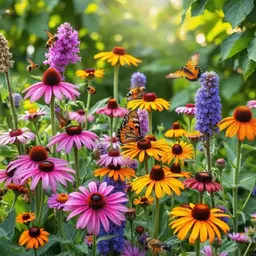
- Pollination services: Native plants attract pollinators, which are crucial for food production and biodiversity.
- Soil health: Their root systems help prevent soil erosion and improve soil structure.
- Water management: Native plants can help manage stormwater, reducing runoff and improving water quality.
As we continue to explore the benefits of native plants, it becomes clear that these species play an integral role in shaping sustainable landscapes. By choosing to embrace their significance in our designs, we can contribute to a healthier, more vibrant environment for all!
Pro Tip
When selecting native plants for your landscape, consider creating a layered planting scheme. By incorporating a mix of tall, medium, and low-growing species, you can enhance visual interest while providing a variety of habitats for local wildlife. This approach not only boosts aesthetic appeal but also ensures that different plant species can thrive in their ideal conditions, making your garden a vibrant ecosystem!
Addressing Common Questions About Native Plants in Landscaping
When considering native plants for your landscape, it’s normal to have questions and concerns. As someone who has worked with many homeowners, I understand that the initial challenges can sometimes feel overwhelming. Let's take a closer look at some common hurdles people face when establishing native plants in their gardens.
One of the first issues often encountered is the establishment phase. Native plants may take time to adapt and thrive, so patience is key! Initially, you might notice that they don’t grow as quickly as traditional landscaping plants. However, once they settle in, their resilience shines through.
What Are the Initial Challenges of Establishing Native Plants?
When starting with native plants, here are a few challenges to keep in mind:
- Soil Preparation: Native plants need specific soil conditions to thrive, so proper preparation is essential.
- Watering: During the establishment phase, regular watering is important until the plants develop strong root systems.
- Understanding Growth Rates: Native plants often grow slower initially, so it can feel frustrating compared to fast-growing ornamental plants.
Don’t let these challenges discourage you! Each hurdle can be overcome with a bit of planning and care.
How to Overcome Homeowners Association Restrictions
Homeowners associations (HOAs) can sometimes have strict guidelines that make it tricky to include native plants in your landscape. Here are some strategies to navigate these restrictions:
- Research the Rules: Familiarize yourself with your HOA’s guidelines on landscaping to understand what is allowed.
- Present Your Case: Create a proposal showcasing the benefits of native plants, such as lower maintenance and environmental advantages.
- Suggest Compromises: Offer ideas for blending native plants with existing landscaping to meet HOA standards.
Remember, open communication with your HOA can lead to positive outcomes. I’ve seen many homeowners successfully incorporate native plants by working collaboratively!
How to Manage Weeds in Native Plant Landscapes
Weeds can be a concern in any garden, and native plant landscapes are no exception. The good news is that there are effective ways to manage them:
- Mulching: Applying a layer of mulch helps prevent weed growth while retaining moisture.
- Regular Maintenance: Set aside time every few weeks to remove any weeds that may pop up.
- Choosing Dense Planting: Planting native species close together can help crowd out weeds naturally.
With consistent care, native plant landscapes can become a thriving ecosystem that minimizes weed competition.
Identifying and Managing Invasive Species
Invasive species can pose a significant threat to native plants. Knowing how to identify and manage them is crucial, especially when considering eco-friendly lawn care practices for overall garden health:
- Learn to Identify: Familiarize yourself with local invasive species by checking resources from local conservation groups.
- Remove Promptly: If you spot invasives in your landscape, act quickly to remove them to prevent spreading.
- Use Native Companions: Pair native plants together; they often support each other and outcompete invasives.
By staying vigilant, you'll help protect your native plant landscape from harmful invaders!
Frequently Asked Questions About Native Plants in Landscape Design
- What are native plants?
- Native plants are species that have naturally occurred in a specific region for thousands of years, adapting to local climate, soil, and wildlife.
- Why are native plants important for landscape design?
- They are crucial for supporting local ecosystems, enhancing biodiversity, providing habitats and food for wildlife, and generally require less maintenance due to their adaptation to local conditions.
- What are the main benefits of using native plants?
- Key benefits include improved biodiversity, low maintenance (less water, fertilizer, pesticides), resistance to local pests and diseases, and providing essential ecosystem services like air and water purification, carbon storage, and soil stabilization.
- What challenges might I face when establishing native plants?
- Initial challenges can include proper soil preparation, consistent watering during the establishment phase, and understanding that native plants might have slower initial growth rates compared to ornamental species.
- How can I address Homeowners Association (HOA) restrictions when using native plants?
- Familiarize yourself with HOA guidelines, present proposals highlighting the environmental and maintenance benefits of native plants, and suggest compromises to integrate them within existing landscaping standards.
- How can I manage weeds in a native plant landscape?
- Effective strategies include applying mulch to suppress weed growth, performing regular manual weeding, and using dense planting to naturally crowd out weeds.
- Where can I find resources and support for implementing native plant landscapes?
- You can connect with local nurseries and extension services for guidance, access downloadable planting plans and guides online, engage with community initiatives and workshops, and participate in educational programs focusing on native landscaping.
Summary of the Advantages of Native Plants in Landscape Design
As we wrap up our discussion on native plants, let’s recap the many advantages they bring to landscape design. First and foremost, they enhance biodiversity and create habitats for local wildlife. Plus, native plants significantly reduce maintenance needs, which means less time spent on upkeep!
Moreover, their aesthetic appeal can transform any outdoor space into a vibrant haven. Think of how beautiful it is to see butterflies and bees buzzing around your garden, all while knowing you’re supporting the environment! It’s a win-win situation. For more insights on how to achieve a harmonious garden, consider exploring building a sustainable landscape design.
Recap of Biodiversity, Maintenance, and Aesthetic Benefits
Here’s a quick summary of the benefits of native plants:
- Biodiversity: Boosts local ecosystems and supports wildlife.
- Low Maintenance: Requires less water and fewer chemicals compared to traditional gardens.
- Visual Appeal: Offers unique textures and seasonal interest, enriching your landscape's beauty.
Investing in native plants not only enhances your property but also contributes positively to the environment!
Encouraging Sustainable Practices in Landscape Design
Sustainability is at the heart of Timberline Garden. By choosing native plants, you actively participate in a movement toward sustainable landscaping. This approach not only reduces resource consumption but also promotes a healthier ecosystem for future generations.
Let’s work together to advocate for these practices in our communities and share knowledge about the benefits of native landscaping!
Highlighting the Environmental Impact of Native Plants
The environmental impact of incorporating native plants into your landscape is profound. They improve air quality, enhance soil health, and support biodiversity. By championing native plant landscapes, we can help combat climate change and promote a healthier planet.
Remember, every small step counts! Embracing native plants is one of many ways we can contribute to a sustainable future for our gardens and beyond!
Taking Action: Resources and Next Steps for Implementing Native Plant Landscapes
As we conclude this journey into the world of native plants, I encourage you to take action! There are many resources available to assist you in implementing native plant landscapes in your own yard.
Let’s explore some options together:
Connecting with Local Nurseries and Extension Services
Building relationships with local nurseries is a fantastic way to get started. Here’s how:
- Ask Questions: Inquire about native plant options and care specific to your area.
- Seek Recommendations: Local experts can help guide your choices based on soil and climate conditions.
- Explore Workshops: Many nurseries offer educational programs on native landscaping techniques.
Don’t hesitate to engage with these knowledgeable resources—they're excited to help!
Accessing Downloadable Planting Plans and Guides
Utilizing online resources can streamline your planning process. Here are some great ways to access helpful materials:
- Visit Websites: Look for downloadable guides on native plants and planting plans from reputable organizations.
- Join Online Communities: Engage with others interested in native landscaping for shared resources and insights.
These tools can simplify your journey and enhance your gardening experience.
Engaging with Community Initiatives and Workshops
Becoming involved in community initiatives is another rewarding way to take action. Consider:
- Volunteering: Join local conservation groups to help with native plant restorations.
- Attending Events: Participate in community workshops that focus on sustainable landscaping practices.
Not only will you learn more, but you’ll also meet like-minded individuals who share your passion!
Participating in Educational Programs on Native Landscaping
Lastly, seeking out educational programs can deepen your understanding of native landscaping. For those interested in broader care, exploring professional tree care services explained might also be beneficial.
- Enroll in Classes: Look for courses offered by local universities or organizations focusing on native plants.
- Follow Online Tutorials: Many experts share valuable information through online platforms—take advantage of them!
Education is a powerful tool, and every bit you gain will equip you to create a thriving native landscape.
Recap of Key Points
Here is a quick recap of the important points discussed in the article:
- Importance of Native Plants: They thrive in local environments, support ecosystems, and enhance biodiversity.
- Low Maintenance: Native plants require less water, fertilizers, and pesticides, making them easier to care for.
- Ecosystem Services: They provide essential services such as air and water purification, pollination, and soil stabilization.
- Challenges in Establishment: Be prepared for initial challenges like soil preparation and slower growth rates during the establishment phase.
- HOA Strategies: Understand regulations, present the benefits of native plants, and propose compromises to incorporate them into your landscape.
- Weed Management: Utilize mulching and regular maintenance to control weeds effectively in native plant landscapes.
- Community Engagement: Connect with local nurseries, participate in workshops, and volunteer for conservation efforts to promote native landscaping.