Did you know that adopting sustainable pest management practices can significantly enhance the health and resilience of your garden? By focusing on eco-friendly methods, you can create a thriving ecosystem that benefits not just your plants, but the environment as a whole. Let's explore some essential insights into sustainable pest management for gardens!
What You Will Learn
- Understanding Sustainable Pest Management: Learn how integrated pest management (IPM) combines environmental practices with careful monitoring to protect your plants and promote biodiversity.
- Benefits of Reduced Chemical Use: Discover how minimizing harmful pesticides leads to healthier soil and a safer environment for your family and wildlife.
- Encouraging Biodiversity: Explore how sustainable gardening practices foster a diverse range of plants and beneficial organisms that naturally control pest populations.
- Concrete Steps to Start: Find out how to assess your garden, research eco-friendly solutions, and implement practices like crop rotation and companion planting.
- Community Involvement: Learn how your sustainable gardening efforts can inspire others through workshops, social media sharing, and partnerships with local schools.
- Resources for Success: Identify helpful tools, such as soil testing kits and local gardening clubs, that can support your sustainable gardening journey.
Key Benefits of Sustainable Pest Management
Understanding the long-term advantages of sustainable pest management can significantly enhance garden health and biodiversity.
Improved Soil Health
Healthy soil supports plant growth and reduces the need for chemical fertilizers.
Biodiversity
A diverse range of plants attracts a variety of beneficial insects, which can help control pests naturally.
Reduced Chemical Exposure
Fewer chemicals mean a safer environment for pets, kids, and wildlife.
Cost Savings
Over time, sustainable practices can reduce the need for expensive pest control treatments.
Understanding Sustainable Pest Management for Gardens
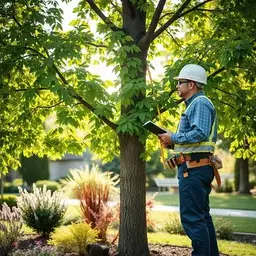
As a passionate landscape and tree care expert, I can't stress enough the importance of sustainable pest management in creating a thriving garden. Sustainable pest management, often referred to as integrated pest management (IPM), combines environmentally friendly practices with careful monitoring of pests. This approach not only protects your plants but also promotes a healthier ecosystem, ensuring that your garden remains beautiful and productive for years to come! To learn more about environmental practices for your landscape, check out our guide on building a sustainable landscape design.
So, why is sustainable pest management crucial? It helps maintain biodiversity, reduces the reliance on harmful chemicals, and supports beneficial organisms that naturally combat pests. Think of it this way: by caring for your garden responsibly, you are investing in its long-term health and resilience. Plus, it provides a safer environment for your family, pets, and the local wildlife!
Defining Sustainable Pest Management and Its Importance
Sustainable pest management involves a combination of practices designed to minimize pest impacts while prioritizing natural solutions. This method is adaptive, meaning it changes based on the specific needs of your garden. For example, a thriving vegetable garden will have different pest management strategies compared to a flower garden. Let's explore why this approach matters so much!
- Reduced Chemical Use: By focusing on natural methods, we can lower the amount of harmful pesticides that enter our soil and waterways.
- Boosted Biodiversity: Sustainable practices encourage a variety of plants and animals, creating a balanced ecosystem that can fend off pests naturally.
- Long-Term Health: Healthy soil and plants lead to fewer disease issues and a more resilient garden over time.
Why Eco-Friendly Pest Control Matters for Home Gardens
Every gardener wants their plants to flourish, but pests can quickly turn that dream into a nightmare. By using eco-friendly pest control strategies, we not only protect our gardens but also contribute to the larger environment. It's a win-win situation! Plus, you’ll find that these methods often lead to healthier plants that require less maintenance.
One of the common questions I hear is, "How do I even begin with eco-friendly pest control?" Here are a few straightforward tips to help you get started:
- Know Your Pests: Understanding what pests are in your garden helps you choose the right management strategies.
- Encourage Beneficial Insects: Ladybugs, lacewings, and other predators can help keep pest populations in check.
- Choose Native Plants: Native species are often more resilient to local pests and diseases. Learn more about native plants for sustainable landscapes to enhance your garden's natural defenses.
As I reflect on my experiences at Timberline Garden, I am continually amazed at how small changes can lead to big improvements. By embracing sustainable pest management, we are not only enhancing our gardens but also ensuring a better future for our planet! So let’s dive deeper into the effective prevention techniques that can help keep our gardens healthy and happy.
Quick Summary
Here's a brief recap of the key points discussed so far:
- Sustainable Pest Management (IPM): A combination of environmentally friendly practices and careful monitoring to protect plants and promote ecosystem health.
- Key Benefits: Reduced chemical use, boosted biodiversity, and long-term garden resilience.
- Community Involvement: Encouraging neighbors to adopt eco-friendly practices through workshops and social media can create a positive ripple effect.
Frequently Asked Questions About Sustainable Pest Management
Here are some common questions about sustainable pest management to help you embark on your eco-friendly gardening journey:
- 1. What is sustainable pest management (IPM)?
- Sustainable pest management, also known as Integrated Pest Management (IPM), is an eco-friendly approach that combines various methods to control pests while minimizing harm to the environment. It involves careful monitoring, understanding pest life cycles, and using a combination of biological, cultural, physical, and chemical tools in a way that minimizes risks to people, property, and the environment.
- 2. Why should I use eco-friendly pest control in my garden?
- Eco-friendly pest control offers numerous benefits, including reduced exposure to harmful chemicals for your family, pets, and local wildlife. It also promotes healthier soil, boosts biodiversity by encouraging beneficial insects, and contributes to the long-term resilience and productivity of your garden. Ultimately, it supports a healthier planet.
- 3. How can I start implementing sustainable pest management in my garden?
- To get started, first assess your garden to identify existing plants and pest issues. Research eco-friendly solutions suitable for your specific needs, then implement cultural practices like crop rotation and companion planting. Regularly monitor your plants and adjust your strategies as needed. Encouraging beneficial insects and choosing native plants are also great starting points.
- 4. What resources are available to help me with sustainable pest management?
- Many resources can assist you. Consider using soil testing kits to understand your garden's nutrient needs and exploring different mulch types for moisture retention and weed suppression. Books and online guides on sustainable gardening practices are invaluable. Additionally, joining local gardening clubs can provide you with knowledge, support, and a community of like-minded individuals.
- 5. How does sustainable pest management benefit the community?
- Sustainable pest management benefits the community by reducing the overall use of harmful chemicals, leading to cleaner air and water. It also inspires others to adopt similar practices through workshops, garden clubs, and social media sharing, creating a ripple effect of positive environmental change. Partnering with local schools can also educate future generations about eco-friendly gardening.
Summarizing the Benefits of Sustainable Pest Management
When we think about gardening, it's easy to focus on planting flowers and maintaining lawns. However, the benefits of sustainable pest management extend far beyond keeping pests at bay! By adopting eco-friendly practices, you're not only fostering a healthier garden but also contributing to the overall well-being of our planet.
One of the most compelling reasons to embrace sustainable pest management is its positive impact on garden health and the biodiversity surrounding us. Gardens that utilize these methods often see a balance of natural predators, which helps keep pest populations in check. This natural balance creates a thriving ecosystem that supports various plant and animal life! Eco-friendly lawn care practices also play a crucial role in maintaining this balance.
Long-Term Advantages for Garden Health and Biodiversity
Implementing sustainable practices in your garden is like laying the foundation for a resilient environment. It not only promotes healthy plants but also encourages beneficial insects and wildlife to thrive. Here are some key long-term advantages:
- Improved Soil Health: Healthy soil supports plant growth and reduces the need for chemical fertilizers.
- Biodiversity: A diverse range of plants attracts a variety of beneficial insects, which can help control pests naturally.
- Reduced Chemical Exposure: Fewer chemicals mean a safer environment for pets, kids, and wildlife.
- Cost Savings: Over time, sustainable practices can reduce the need for expensive pest control treatments.
As someone who has spent years enhancing outdoor spaces, I can personally attest to the benefits of maintaining a balanced ecosystem in your garden. The vibrant colors and lively sounds of nature make the hard work worthwhile!
Encouraging Community Involvement in Eco-Friendly Practices
One of the most rewarding aspects of sustainable gardening is its potential to inspire others. When you adopt eco-friendly pest management techniques, you're setting a powerful example in your community! Sharing your experiences and successes can motivate others to explore these methods, creating a ripple effect of positive change.
To encourage community involvement, consider the following approaches:
- Host Workshops: Share your knowledge through local workshops or community garden events to teach others about sustainable practices.
- Start a Garden Club: Connect with neighbors who are interested in gardening. Together, you can share tips and experiences!
- Social Media Sharing: Post about your eco-friendly gardening journey online, using hashtags to reach a wider audience.
- Encourage Local Schools: Partner with schools to create educational programs about sustainable gardening.
At Timberline Garden, we're passionate about empowering our community to transform their outdoor spaces sustainably. Every step towards eco-friendly practices contributes to a better environment for all! For more insights into transforming your outdoor spaces, consider exploring professional tree care services.
Taking Action: Implementing Sustainable Strategies in Your Garden
Ready to dive into eco-friendly pest control? Taking the first step is easier than you might think! With the right tools and strategies, you can create a garden that not only looks beautiful but also thrives without harsh chemicals.
Steps to Get Started with Eco-Friendly Pest Control
Here are a few simple steps to kickstart your sustainable gardening journey:
- Assess Your Garden: Take note of existing plants and identify pest issues.
- Research Solutions: Look for eco-friendly pest management options that suit your garden's needs.
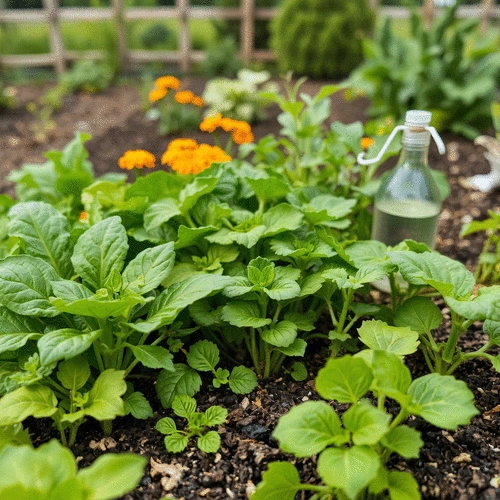
- Implement Practices: Start incorporating cultural practices, such as crop rotation and companion planting.
- Monitor Progress: Regularly check your plants and adjust your strategies as necessary.
These steps will help you create a balanced and vibrant garden environment. Remember, every small action contributes to a healthier ecosystem!
Resources and Tools for Sustainable Pest Management
To support your eco-friendly gardening journey, consider utilizing various resources and tools available to you. Here are some recommendations:
- Soil Testing Kits: Ensure your soil has the right nutrients for plant health.
- Mulch Types: Different mulches can help retain moisture and suppress weeds, improving garden health.
- Books and Online Guides: Explore literature focused on sustainable gardening practices for valuable insights.
- Local Gardening Clubs: Join groups where you can share knowledge and gain support from fellow gardeners.
Utilizing Soil Testing and Mulch Types for Enhanced Results
Soil testing allows you to understand your garden's unique needs, helping you tailor your approach effectively. Meanwhile, choosing the right mulch can help retain moisture and suppress weed growth, making a significant difference in your garden's success. For more details on this, explore the benefits of mulch for sustainable gardens.
Embracing sustainable pest management is not just about pest control; it's about fostering a thriving community and environment. As you embark on this journey, remember that every small effort counts in creating a beautiful and sustainable garden that reflects the values we hold dear at Timberline Garden!
Recap of Key Points
Here is a quick recap of the important points discussed in the article:
- Sustainable Pest Management (IPM): Combines environmentally friendly practices with careful pest monitoring to protect plants and promote a healthier ecosystem.
- Benefits of Eco-Friendly Practices: Reduces chemical use, boosts biodiversity, and supports long-term garden health.
- Key Strategies to Start: Know your pests, encourage beneficial insects, and choose native plants to enhance resilience.
- Long-Term Advantages: Improved soil health, reduced chemical exposure, and cost savings through sustainable practices.
- Community Involvement: Host workshops, start garden clubs, and encourage local schools to promote eco-friendly gardening.
- Action Steps: Assess your garden, research solutions, implement practices, and monitor progress for effective pest management.