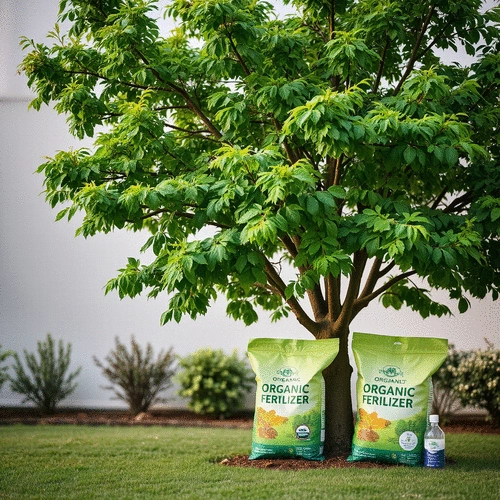
Many homeowners overlook the importance of tree care, yet proper fertilization can be the difference between a struggling tree and a flourishing one. Did you know that nutrient deficiencies can lead to a decline in tree health, making them more susceptible to diseases and pests? Understanding how to assess and improve your trees’ nutrient intake is essential for a vibrant landscape.
What You Will Learn
- Soil tests are crucial for identifying nutrient deficiencies and tailoring fertilization strategies to meet your trees' needs.
- Common signs that your trees may need fertilization include yellowing leaves, sparse foliage, and poor growth rates.
- Soil pH significantly affects nutrient availability; maintaining a pH between 6.0 and 7.0 is ideal for most trees.
- Regular monitoring and observation of tree health post-fertilization help assess the effectiveness of your care practices.
- Incorporating organic amendments like compost and mulch enhances soil health and supports beneficial microorganisms.
- Using a garden journal to track your trees' progress can help you make informed decisions about future care.
Key Factors in Tree Fertilization
Understanding the critical components that contribute to tree health can enhance the effectiveness of fertilization efforts. When considering professional help, it's worth exploring professional tree care services explained to ensure your trees receive the best possible attention.
Soil Tests Benefits
- Identifying nutrient deficiencies
- Measuring soil pH
- Understanding organic matter levels
- Guiding fertilizer choices
Signs of Nutrient Deficiency
- Discolored or yellowing leaves
- Weak or sparse foliage
- Poor flowering or fruit production
- Slow growth rate
Nutrients to Monitor
- Nitrogen (N)
- Phosphorus (P)
- Potassium (K)
- Magnesium (Mg)
- Calcium (Ca)
pH Management Techniques
- Conduct regular soil tests
- Add lime to raise pH if too acidic
- Incorporate sulfur to lower pH if too alkaline
- Monitor changes over time to maintain balance
Understanding the Importance of Tree Fertilization for Optimal Growth
Tree fertilization is a vital part of maintaining a healthy landscape. Have you ever noticed trees that seem to struggle or don’t flourish as much as you’d like? Fertilizing your trees can provide them with essential nutrients, leading to vibrant growth and enhanced resilience against pests and diseases. At Timberline Garden, I emphasize the importance of proper tree care, and fertilization is a key component of that care!
But how do you know when your trees need a nutrient boost? Understanding the signs and conducting soil tests can really help. Let’s explore how these elements play a crucial role in optimizing the health of your trees.
Recognizing the Need for Fertilization: The Role of Soil Tests
Soil tests are like a health check-up for your yard. They reveal the nutrient composition of your soil, helping you understand what your trees might be missing. Have you ever thought about how your soil is affecting your trees? With the right tests, you can tailor your fertilization approach to meet those unique needs! This approach aligns well with sustainable tree care for homeowners, promoting long-term health.
Benefits of soil tests include:
- Identifying nutrient deficiencies
- Measuring soil pH
- Understanding organic matter levels
- Guiding your fertilizer choices
How Soil Tests Help Determine Nutrient Requirements
When you conduct a soil test, it’s essential to analyze the results carefully. This analysis helps to pinpoint the specific nutrients your trees require. For instance, if nitrogen levels are low, you may want to focus on a fertilizer rich in nitrogen to promote leafy growth. Keeping track of these nutrient levels can help ensure your trees thrive!
Soil tests typically look for key nutrients such as:
- Nitrogen (N)
- Phosphorus (P)
- Potassium (K)
- Magnesium (Mg)
- Calcium (Ca)
Signs That Your Trees May Need Fertilization
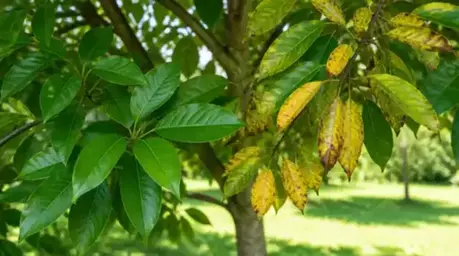
Sometimes, trees show visible signs that they are in need of nutrients. Have you noticed trees with yellowing leaves, stunted growth, or fewer blossoms compared to previous years? These can be indications that your trees could benefit from fertilization.
Common signs include:
- Discolored or yellowing leaves
- Weak or sparse foliage
- Poor flowering or fruit production
- Slow growth rate
Understanding Soil pH and Its Impact on Tree Nutrients
The pH level of your soil has a significant impact on how well trees absorb nutrients. Have you ever heard of the term “soil pH”? It measures how acidic or alkaline your soil is! Most trees thrive in slightly acidic to neutral pH (between 6.0 and 7.0).
When soil pH is too high or too low, it can hinder nutrient availability—meaning your trees might not be getting what they need to grow strong and healthy!
How Soil pH Affects Nutrient Availability
Understanding the relationship between soil pH and nutrient availability is essential for effective tree care. For instance, if the pH is too high, nutrients like iron and manganese can become less available, leading to deficiency symptoms. On the other hand, too low of a pH can lead to leaching of essential nutrients! This knowledge is also crucial when building a sustainable landscape design.
Here are ways to manage soil pH effectively:
- Conduct regular soil tests
- Add lime to raise pH if too acidic
- Incorporate sulfur to lower pH if too alkaline
- Monitor changes over time to maintain balance
By understanding the importance of tree fertilization and the role of soil tests, you can take proactive steps to ensure your trees reach their full potential. At Timberline Garden, I’m here to help you navigate these essential practices for a thriving landscape!
Pro Tip
Did you know? Incorporating organic fertilizers can significantly enhance the soil structure and microbial activity, leading to healthier trees. Consider using compost or well-rotted manure as a natural way to provide essential nutrients while improving soil health!
Frequently Asked Questions About Tree Fertilization
Q1: Why is tree fertilization important?
A1: Tree fertilization is crucial for providing essential nutrients that promote vibrant growth, enhance resilience against pests and diseases, and improve overall tree health, especially when natural soil nutrients are depleted.
Q2: How can I tell if my trees need fertilization?
A2: Common signs include yellowing or discolored leaves, weak or sparse foliage, poor flowering or fruit production, and a slow growth rate. A soil test is the most accurate way to determine specific nutrient deficiencies.
Q3: What is a soil test, and why is it important for tree care?
A3: A soil test is a diagnostic tool that reveals the nutrient composition and pH level of your soil. It helps identify nutrient deficiencies, measure soil pH, understand organic matter levels, and guide your fertilizer choices to meet your trees' unique needs.
Q4: How does soil pH affect nutrient availability for trees?
A4: Soil pH dictates how well trees can absorb nutrients. Most trees thrive in a slightly acidic to neutral pH (6.0-7.0). If the pH is too high or too low, essential nutrients like iron, manganese, and phosphorus can become unavailable, hindering tree growth and health.
Q5: What are some best practices for maintaining tree health long-term after fertilization?
A5: Long-term maintenance includes regular monitoring of tree health, observing changes in leaf color and growth rate, conducting follow-up soil tests every few years, and incorporating organic amendments like compost and mulch to support soil health and beneficial microorganisms.
Long-Term Monitoring and Maintenance Post-Fertilization
After fertilizing your trees, it’s important to keep an eye on their progress. Long-term monitoring is essential for ensuring that the fertilization process yields positive results. Regular assessments allow you to check if your trees are thriving, which in turn helps you make informed decisions for future care. At Timberline Garden, we believe that nurturing your landscape doesn’t stop at fertilization; it’s a continuous journey!
One of the first steps in monitoring is to regularly observe any changes in tree health and growth patterns. Look for signs such as increased leaf size, vibrant color, and overall vigor. Also, consider keeping a garden journal where you can jot down your observations over time. This way, you’ll have a clear record to refer back to, which is incredibly helpful in tracking improvements and spotting potential issues early.
How to Assess the Effectiveness of Your Fertilization
Assessing the effectiveness of fertilization can be straightforward if you know what to look for. Here are some key indicators of successful fertilization:
- Leaf Color: Healthy trees often show deep green leaves, indicating strong nutrient uptake.
- Growth Rate: Observe new growth; a good sign is the appearance of fresh shoots or branches.
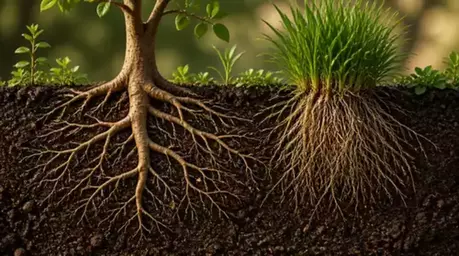
- Root Health: Healthy roots are crucial! If your trees are sending out new roots, they’re likely thriving.
In addition to these visual cues, it’s wise to conduct follow-up soil tests every few years. This will help you understand how well the nutrients are being absorbed and if adjustments to your fertilization plan are necessary. Remember, the ultimate goal is to ensure that your trees are not just surviving, but truly flourishing!
Role of Microorganisms and Soil Amendments in Tree Health
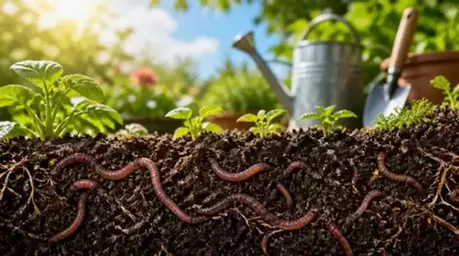
Soil health plays a crucial role in the long-term success of your trees, and beneficial microorganisms are key players in this ecosystem. These tiny organisms help break down organic matter and release nutrients, making them accessible for your trees. To support this process, consider the following:
- Using Compost: Adding compost enriches the soil with nutrients and promotes microbial activity.
- Applying Mulch: This helps retain moisture and keeps the soil temperature stable, also providing a habitat for beneficial organisms.
- Incorporating Organic Amendments: Options such as worm castings or bone meal can boost soil quality.
At Timberline Garden, we see firsthand how healthy soil contributes to thriving trees. By incorporating these practices, you’re not just caring for your trees but also nurturing the environment around them. Let’s work together to create a vibrant, sustainable landscape! For more tips on maintaining healthy soil, consider reading about the benefits of mulch for sustainable gardens.
Conclusion: Key Takeaways for Successful Tree Fertilization
In conclusion, successful tree fertilization involves more than just a one-time application. Regular monitoring, understanding soil health, and being aware of environmental impacts are all part of the process. By following these guidelines, you can ensure that your trees not only benefit from fertilization but also contribute positively to your landscape.
Summarizing Best Practices for Optimal Tree Growth
Let’s recap some best practices for keeping your trees healthy:
- Conduct regular soil tests to determine nutrient needs.
- Monitor tree health through visual assessments.
- Utilize organic amendments to enrich the soil.
By implementing these strategies, you’ll be well on your way to maintaining a flourishing outdoor space that reflects the beauty of nature.
Engaging with Additional Resources and Tools
Finally, I encourage you to explore additional resources to enhance your landscaping knowledge. Whether it’s through articles on Timberline Garden, local gardening workshops, or community gardening groups, there’s always something new to learn! I’d love to hear about your experiences with tree fertilization, so feel free to share your questions or insights. Together, we can foster a community dedicated to beautiful, healthy landscapes! Understanding when to seek signs your tree needs care can also be incredibly helpful.
Recap of Key Points
Here is a quick recap of the important points discussed in the article:
- Tree fertilization is essential for promoting healthy growth and resilience against pests.
- Conduct soil tests to identify nutrient deficiencies and understand soil pH for optimal tree health.
- Look for signs of nutrient deficiency in trees, such as yellowing leaves and stunted growth.
- Maintain proper soil pH to ensure nutrient availability; aim for a pH between 6.0 and 7.0.
- Monitor tree health post-fertilization for signs of improvement, including leaf color and growth rate.
- Utilize organic amendments like compost and mulch to support soil health and microorganism activity.