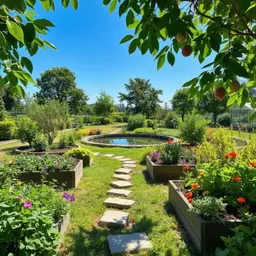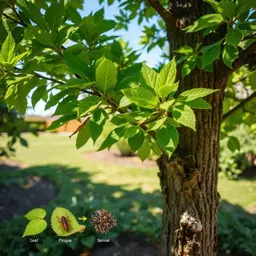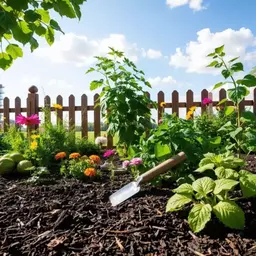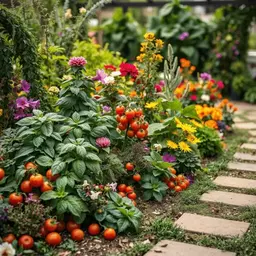
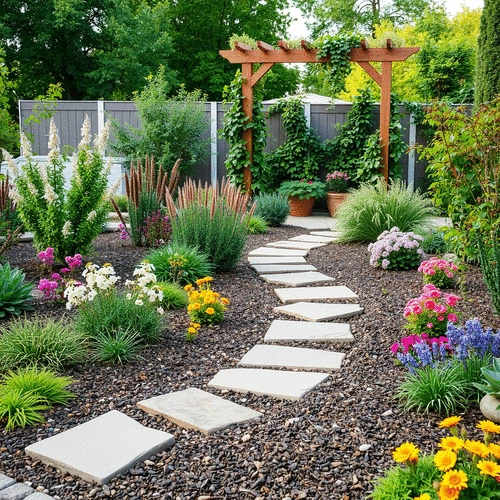
Imagine a garden that thrives with minimal effort, allowing you to savor the beauty of your outdoor space without the constant burden of maintenance. Low-maintenance gardening is not just a trend; it's a lifestyle that fits seamlessly into the busy lives we lead today.
What You Will Learn
- The concept of low-maintenance gardening provides a practical solution for busy homeowners seeking beautiful landscapes without overwhelming upkeep.
- Common challenges like time constraints, weed management, and inconsistent watering can be effectively addressed through low-maintenance techniques.
- Adopting low-maintenance gardening practices can lead to significant benefits, including time savings, cost reductions, and environmental sustainability.
- Resources such as gardening blogs, local communities, and expert advice can support your journey towards creating a hassle-free garden experience.
- Understanding when to DIY versus hiring professional landscaping services can help you achieve a low-maintenance garden tailored to your needs.
Key Benefits of Low-Maintenance Gardening
Low-maintenance gardening offers several key advantages for busy homeowners looking to enhance their outdoor spaces. Below are the primary benefits visualized for easy understanding.
Time-Saving
Spend less time on maintenance and more on relaxation.
Cost-Effective
Reduced expenses on water, fertilizers, and labor.
Environmentally Friendly
Drought-resistant plants and sustainable practices help preserve natural resources.
Personal Satisfaction
Enjoy a beautiful garden without the stress of constant upkeep.
Understanding the Need for Low-Maintenance Gardening
In today’s fast-paced world, many homeowners find it challenging to keep up with their gardens. The desire for a beautiful outdoor space often clashes with the reality of busy schedules. That’s where the concept of low-maintenance gardening comes into play, offering a practical solution for those who still want to enjoy the beauty of their landscapes without the constant upkeep. You can also explore building a sustainable landscape design to further enhance your outdoor space.
Have you ever looked at your garden and felt overwhelmed by the amount of work it needs? It’s a common feeling, especially for busy individuals juggling work, family, and social commitments. By understanding the challenges faced by homeowners, we can better appreciate the value of creating a garden that requires minimal effort while still providing a stunning aesthetic.
Identifying Challenges Faced by Busy Homeowners
One of the biggest challenges busy homeowners encounter is managing their time effectively. With work and family responsibilities, finding time for gardening can seem impossible. Suddenly, the weekend rolls around, and instead of enjoying your garden, you're stuck pulling weeds or battling stubborn pests!
- Limited time for regular maintenance
- Difficulty in keeping up with seasonal tasks
- Feeling overwhelmed by gardening knowledge and skills
Time Constraints and Gardening
Time constraints are a real hurdle in maintaining a garden. For many of us, weekends are our only chance to tackle household chores, and gardening often gets pushed to the bottom of the list. This can lead to a cycle of neglect that makes the task even more daunting! Wouldn’t it be nice to have a garden that thrives with just a fraction of the attention?
At Timberline Garden, we believe that everyone deserves a beautiful outdoor space, regardless of their schedule. Let's explore how to cut down on the time spent maintaining your garden while still creating an inviting environment. For more insights, consider learning about designing a water-efficient garden.
Common Gardening Issues: Weeds, Watering, and Maintenance
Another common issue busy homeowners face is the battle against weeds. If you've ever pulled weeds only to find them sprouting up again the next week, you know how frustrating this can be! Plus, ensuring your plants get the right amount of water can feel like a full-time job in itself.
- Weeds that seem to multiply overnight
- Inconsistent watering schedules leading to thirsty plants
- High maintenance plants that require constant attention
By implementing low-maintenance gardening techniques, you can minimize these common headaches. Imagine spending less time worrying about your garden’s needs and more time enjoying it with friends and family!
Key Concepts in Creating a Low-Maintenance Garden
In the following sections, we will delve deeper into the essential concepts of low-maintenance gardening. This includes defining what makes a garden low-maintenance, exploring xeriscaping as a water-wise approach, and understanding how to choose the right plants for easy care.
Pro Tip
To make your low-maintenance garden even more efficient, consider incorporating native plants into your landscape. Native plants are well-adapted to your local climate and soil conditions, requiring less water and care than non-native species. This not only saves you time but also supports local wildlife and promotes biodiversity!
Final Thoughts on Low-Maintenance Gardens
As we wrap up our journey through the world of low-maintenance gardening, it’s essential to recognize how these solutions can truly enhance your daily life. Imagine spending less time weeding and watering, and more time enjoying your garden with family and friends. This is the beauty of a low-maintenance garden—it brings together simplicity and satisfaction!
One significant benefit of adopting low-maintenance gardening practices is the positive impact on your lifestyle and overall wellbeing. For busy homeowners, having a garden that requires minimal upkeep means you can savor those fleeting moments outdoors, rather than being tied down by chores. Simply put, it’s about creating a space that fits your life, not the other way around!
Summarizing the Benefits of Low-Maintenance Solutions
Low-maintenance gardens offer numerous advantages that cater specifically to those of us with hectic schedules. Here’s a quick rundown of the primary benefits:
- Time-saving: Spend less time on maintenance and more on relaxation.
- Cost-effective: Reduced expenses on water, fertilizers, and labor.
- Environmentally friendly: Drought-resistant plants and sustainable practices help preserve natural resources.
- Personal satisfaction: Enjoy a beautiful garden without the stress of constant upkeep.
By embracing these benefits, you're not just opting for less work—you're choosing a lifestyle that aligns with your values and priorities. Plus, it’s a fantastic way to cultivate a sense of peace and harmony in your outdoor space!
Encouraging a Hassle-Free Gardening Experience
If you're excited to embark on your low-maintenance gardening journey, there are plenty of resources available to guide you. From online communities to local workshops, finding support is easier than ever! Here are some helpful options to consider:
- Gardening blogs and websites: Explore sites like Timberline Garden for expert advice and inspiration.
- Local gardening groups: Join community clubs or social media groups where you can share experiences and tips.
- Extension services: Check with your local agricultural extension office for tailored advice specific to your area.
- Books and guides: Invest in literature that focuses on low-maintenance and sustainable gardening practices.
With the right resources, you can confidently navigate your low-maintenance gardening journey. Just remember, whether you're a seasoned gardener or a newbie, the goal is to create a garden that brings joy without the hassle!
Acting on Your Low-Maintenance Gardening Journey
Exploring Local Landscaping Services
When it comes to transforming your outdoor space into a low-maintenance paradise, sometimes the expertise of a professional can make all the difference. It’s essential to find the right landscaping services that align with your vision. Here are a few tips to ensure you choose the right professionals:
- Research: Look for local landscaping companies with good reviews and a portfolio of previous projects.
- Ask for recommendations: Friends or family who’ve had similar work done can provide valuable insights.
- Interview potential landscapers: Discuss your goals and assess their understanding of low-maintenance gardening.
- Check credentials: Ensure they have the proper licenses and insurance to protect yourself and your property.
As you begin this process, remember that it’s perfectly okay to seek help! Sometimes, a collaborative approach can yield the best results, and you can rest assured knowing experts are guiding your vision. Consider exploring professional tree care services for specialized assistance.
Taking the First Step Towards Your Low-Maintenance Garden
If you’re leaning towards doing it yourself, that’s fantastic! DIY projects can be incredibly rewarding, especially when you see your hard work come to life. However, it’s also important to weigh the benefits of professional services against your skills and time commitment. Here’s a quick guide to help you decide:
- DIY: Best for small projects or if you have a clear vision and some gardening experience.
- Professional services: Ideal for larger projects or if you want to ensure a polished and seamless finish.
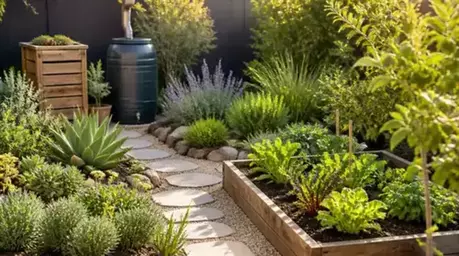
Additionally, consider options like container gardening or raised garden beds for a more manageable approach. These methods can be tailored to your space and are perfect for low-maintenance gardening! For more ideas, you might find inspiration in native plants for sustainable landscapes.
No matter which path you choose, remember that transforming your garden into a low-maintenance retreat is an exciting endeavor. With patience and the right strategies, you’ll soon find yourself enjoying the beauty of your landscape with ease. Now, let’s get started on this green adventure together!
Recap of Key Points
Here is a quick recap of the important points discussed in the article:
- Understanding Low-Maintenance Gardening: A practical solution for busy homeowners who want a beautiful outdoor space without the constant upkeep.
- Identifying Challenges: Common issues include time constraints, overwhelming gardening knowledge, and difficulty in keeping up with maintenance tasks.
- Implementing Solutions: Techniques like choosing drought-resistant plants and establishing consistent watering schedules can significantly reduce maintenance time.
- Benefits of Low-Maintenance Gardens: These gardens save time, are cost-effective, environmentally friendly, and provide personal satisfaction.
- Resources for Support: Gardening blogs, local groups, and extension services can provide valuable advice and community support.
- Choosing the Right Professionals: Research landscaping services thoroughly and ensure they understand low-maintenance gardening principles.
- DIY vs. Professional Help: Assess your skills and project size to determine whether to tackle the garden transformation yourself or hire professionals.
Frequently Asked Questions (FAQs)
- What is low-maintenance gardening?
- Low-maintenance gardening is a practical approach to landscaping that focuses on creating a beautiful outdoor space with minimal effort and upkeep, ideal for busy homeowners.
- What are the main benefits of a low-maintenance garden?
- The primary benefits include saving time, reducing costs (on water, fertilizers, and labor), being environmentally friendly through sustainable practices, and providing personal satisfaction without constant stress.
- What are some common challenges that low-maintenance gardening addresses?
- It addresses challenges such as limited time for regular maintenance, difficulty in keeping up with seasonal tasks, feeling overwhelmed by gardening knowledge, and common issues like persistent weeds and inconsistent watering schedules.
- How can I start creating a low-maintenance garden?
- You can start by choosing the right plants (e.g., drought-resistant, native species), implementing water-wise practices like xeriscaping, and considering options like container gardening or raised garden beds. You can also seek advice from gardening blogs, local groups, or professional landscapers.
- Should I DIY or hire a professional for my low-maintenance garden?
- The decision depends on your project's size, your gardening experience, and your available time. DIY is great for smaller projects and those with a clear vision, while professional services are ideal for larger projects or if you want a polished, seamless finish.