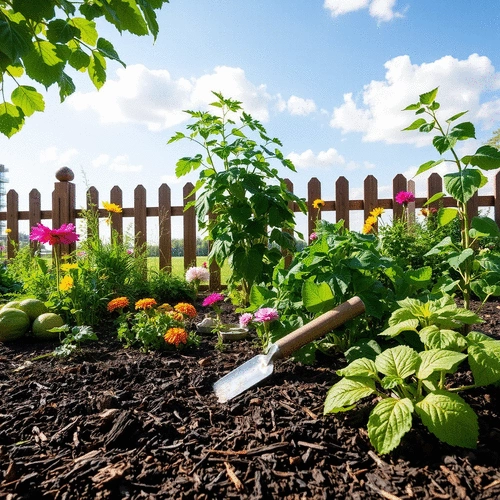
Are you aware that a simple layer of mulch can significantly transform your gardening experience? From conserving water to enhancing soil health, the impact of this gardening practice is profound. Let’s delve into the essential lessons you can take away from understanding mulch and its role in sustainable gardening.
What You Will Learn
- Mulch conserves moisture, reducing the need for frequent watering and helping maintain a healthy environment for plants.
- Using mulch suppresses weeds, minimizing competition for nutrients and space, leading to healthier plants.
- Mulch regulates soil temperature, keeping it cooler in summer and warmer in winter, which is vital for plant growth.
- Incorporating organic mulch enhances soil health by adding nutrients as it breaks down, promoting a thriving ecosystem.
- Sustainable gardening practices, including the use of mulch, reduce water usage, support biodiversity, and promote local ecosystems.
- Different types of mulch serve various purposes; organic options like straw enrich the soil while inorganic options can provide longevity.
- Regular maintenance of mulch, such as refreshing it every 6 to 12 months, can significantly improve plant health.
- Community efforts in mulching can foster collaboration and create vibrant gardening experiences for everyone involved.
Benefits of Using Mulch in Sustainable Gardening
The key advantages of mulch in enhancing the health of your garden are summarized below.
Conserves Moisture
Reduces the need for frequent watering, helping to maintain hydration for your plants.
Suppresses Weeds
Minimizes competition for nutrients and space, allowing plants to thrive.
Regulates Temperature
Keeps soil cooler in summer and warmer in winter, promoting stable growth.
Enhances Soil Health
Adds nutrients over time as organic mulch breaks down, enriching the soil.
Understanding Mulch and Its Role in Sustainable Gardens
Welcome to the world of gardening where every small choice can lead to a big impact! One such choice is the use of mulch, a practice that plays a vital role in sustainable gardening. Whether you’re nurturing a home garden or a larger landscape, understanding mulch is key to enhancing the health of your plants and the environment. You can also explore expert insights on professional tree care services explained for a comprehensive approach to garden maintenance.
Mulch can be simply defined as any material applied to the surface of the soil. This includes a variety of options such as organic materials like leaves and wood chips, or inorganic options like stones and plastic. But why should you care about mulch? Because it offers numerous benefits that help create a thriving garden ecosystem!
Defining Mulch: What It Is and Why It Matters
So, what exactly is mulch and why does it matter? Mulch serves as more than just a decorative element in your garden; it helps in conserving moisture, suppressing weeds, and regulating soil temperature. Just picture a blanket of warmth for your plants—keeping them cozy and nurturing their growth!
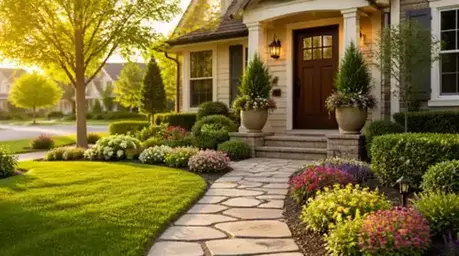
Additionally, using mulch improves the aesthetics of your garden. A well-mulched bed not only looks tidy but also signals to others that you’re passionate about maintaining a healthy landscape. At Timberline Garden, we believe that every detail counts in making your outdoor space inviting and sustainable.
- **Conserves moisture**: Reduces the need for frequent watering.
- **Suppresses weeds**: Minimizes competition for nutrients and space.
- **Regulates temperature**: Keeps soil cooler in summer and warmer in winter.
- **Enhances soil health**: Adds nutrients as organic mulch breaks down.
The Importance of Sustainable Gardening Practices
What does sustainable gardening mean? It revolves around practices that maintain the health of our ecosystems while allowing us to enjoy beautiful gardens. This approach includes making smart choices like using mulch to enrich your soil and promote biodiversity! For more ideas, consider designing a water-efficient garden to further enhance sustainability.
Embracing sustainable practices not only benefits your garden but also contributes to the larger goal of preserving our planet. By reducing waste and using resources wisely, we can all play a part in fostering a greener future. I often reflect on how each small action can lead to significant changes in our outdoor environments. Isn’t it thrilling to think about the difference we can make together?
- **Reduces water usage**: Sustainable practices lead to less water waste.
- **Encourages biodiversity**: Healthy gardens attract various beneficial insects.
- **Promotes soil health**: Healthy soil means thriving plants!
- **Supports local ecosystems**: Each garden is a little piece of nature.
Pro Tip
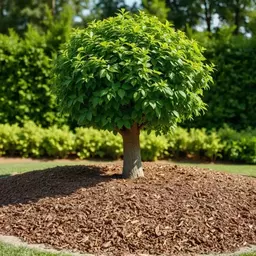
Did you know? When applying mulch, aim for a depth of 2 to 4 inches. This optimal thickness not only maximizes moisture retention and weed suppression but also allows for air circulation, which is crucial for healthy root development. Too little mulch may not provide sufficient benefits, while too much can suffocate your plants!
Addressing Common Questions and Challenges in Mulching
Mulching can be a rewarding practice, but it often raises questions and challenges for gardeners, both new and experienced. At Timberline Garden, I frequently encounter concerns about which types of mulch are best suited for specific plants or how effectively mulch can combat weeds. Let’s dig into some of the most common questions people have regarding mulch and its effectiveness! Remember, the right knowledge can make all the difference in your gardening journey.
Moreover, as you embark on your mulching adventure, it’s essential to be informed about potential pitfalls. Understanding these common challenges can prepare you for success and help you avoid unnecessary frustrations. So, let's get started with a few FAQs!
FAQs on Mulch Types and Their Effectiveness
- What is the best type of mulch for vegetable gardens? Organic mulches, like straw or wood chips, are often ideal as they enrich the soil while suppressing weeds.
- Can I use grass clippings as mulch? Absolutely! Just be sure they are dry to avoid clumping and compacting, which can create a barrier to water.
- How often should I replace my mulch? Generally, you should refresh your mulch every 6 to 12 months, depending on the material used and how quickly it breaks down.
- Does mulch attract pests? While some organic mulches can provide shelter for certain insects, proper application and choosing the right type can minimize this risk.
- Can I apply mulch directly against plant stems or tree trunks? No, it's best to leave a small gap (a few inches) around stems and trunks to prevent rot and pest issues.
These questions are just the tip of the iceberg. Don’t hesitate to reach out with your specific concerns! The key is to experiment and find what works best for your unique garden environment. You might also find valuable insights on sustainable tree care for homeowners to further complement your mulching efforts.
Case Studies: Success Stories in Sustainable Gardening with Mulch
At Timberline Garden, we've seen many inspiring stories from homeowners who embraced mulching to enhance their gardens sustainably. One of my favorite case studies involved a local family who transformed their backyard into a lush vegetable patch. They started by adding a thick layer of wood chips around their plants, which not only improved soil health but also significantly reduced their watering needs!
Another inspiring example comes from a community garden that successfully implemented a mulch strategy using leaves and grass clippings. This not only helped with weed control but also fostered a thriving ecosystem, showcasing the power of collaboration and sustainability. Here are a few key learnings from these success stories:
- Using a variety of mulch types can yield better results—experimenting pays off!
- Regular maintenance and refreshing mulch can enhance plant health significantly.
- Community efforts in mulching can create a vibrant, shared gardening experience!
These stories remind us that with the right approach, mulching can empower any garden, allowing it to flourish and thrive sustainably. Are you ready to become the next success story in your neighborhood?
Key Takeaways for Sustainable Gardening with Mulch
As we wrap up our exploration of mulching, let’s take a moment to recap the benefits and best practices that can elevate your gardening game. Mulching isn’t just about aesthetics; it’s a vital practice that supports healthy soil, reduces maintenance, and contributes to a sustainable environment.
Recap of the Benefits and Best Practices
To summarize, here’s what we’ve learned about the incredible benefits of mulching:
- Improves soil health by adding organic matter and nutrients.
- Helps retain moisture, keeping your garden hydrated and reducing water bills.
- Suppresses weeds, leading to less maintenance and more time to enjoy your garden!
Remember, the key is to choose the right type of mulch and apply it correctly to maximize these benefits!
Encouragement to Implement Mulching Techniques in Your Own Garden
I encourage you to take the knowledge and insights gathered here and apply them to your own garden. Whether you're starting small with a few flower beds or transforming your entire yard, mulching can unlock the potential of your outdoor space. Imagine stepping outside to a vibrant garden that thrives with minimal effort—the vision can become a reality! To further your understanding, consider exploring building a sustainable landscape design.
Further Resources for Deepening Your Understanding of Mulching
If you’re eager to learn more about mulching and how to enhance your gardening efforts, I recommend diving into additional resources. Here are a few suggestions to get you started:
- Online gardening forums and communities where you can ask questions and share experiences.
- Gardening workshops hosted by local organizations to learn hands-on skills.
- Books or blogs dedicated to sustainable gardening practices that offer deeper insights.
Gardening Tips for Enhancing Plant Health and Soil Structure
Don’t forget to keep an eye on your plants’ health as you implement mulching techniques. Regularly assess soil moisture, watch for pests, and enjoy the process of learning and growing. At Timberline Garden, I’m here to help you every step of the way, so let’s cultivate that dream garden together!
Recap of Key Points
Here is a quick recap of the important points discussed in the article:
- Mulch serves multiple purposes: conserving moisture, suppressing weeds, regulating soil temperature, and enhancing soil health.
- Sustainable gardening practices, including the use of mulch, help maintain ecosystem health and promote biodiversity.
- Choosing the right type of mulch, such as organic materials for vegetable gardens, is essential for effectiveness.
- Regular maintenance and refreshing of mulch can significantly improve plant health and garden aesthetics.
- Sharing knowledge and experiences within community gardening initiatives can foster a thriving environment for all.