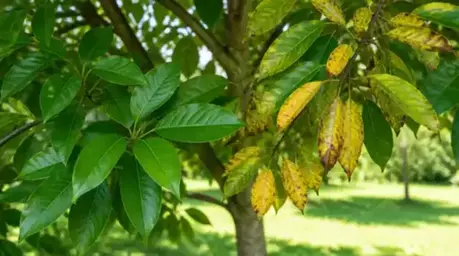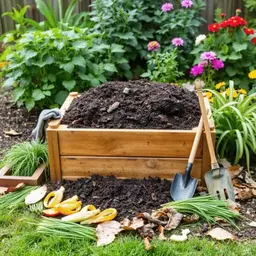
Have you ever considered that a simple layer of mulch could be a game-changer for your trees? This often-overlooked material not only enhances the beauty of your landscape but plays a crucial role in promoting the health and growth of your trees. By understanding the significance of mulch, you’ll be empowered to make informed choices that can transform your garden into a thriving ecosystem.
What You Will Learn
- Mulch is essential for moisture retention, reducing the need for frequent watering.
- There are two main types of mulch: organic (nutrient-rich) and inorganic (durable for weed suppression).
- Choosing the right type of mulch can enhance soil quality or provide low-maintenance options, depending on your landscaping goals.
- Common mulch types, such as wood chips, bark, straw, and compost, each offer unique benefits for tree care.
- Proper mulching techniques can prevent common mistakes, like piling mulch too close to tree trunks, which can cause rot.
- Regular mulching is an investment that promotes long-term tree health and improves overall soil quality.
- Mulching supports biodiversity, contributing to a healthier ecosystem within your garden.
Key Functions of Mulch in Enhancing Tree Health
Understanding the essential roles of mulch can significantly improve your tree care routine. For those looking to optimize their landscape, learning about native plants for sustainable landscapes can further enhance the ecological benefits.
Moisture Retention
Mulch helps keep the soil damp, reducing the need for frequent watering.
Temperature Regulation
Acts as an insulator, protecting roots from extreme heat and cold.
Weed Suppression
Prevents weeds from sprouting, allowing trees to compete less for nutrients.
Nutrient Enhancement
Organic mulch adds essential nutrients back into the soil as it decomposes.
The Significance of Mulch for Enhancing Tree Health and Growth
Mulch is one of the unsung heroes when it comes to tree care! It's not just a decorative layer on the soil; it's a vital component that supports the overall health and growth of your trees. By understanding how mulch functions, you’ll be better equipped to make informed choices that benefit your landscape.
Understanding Mulch: What It Is and Its Role in Tree Care
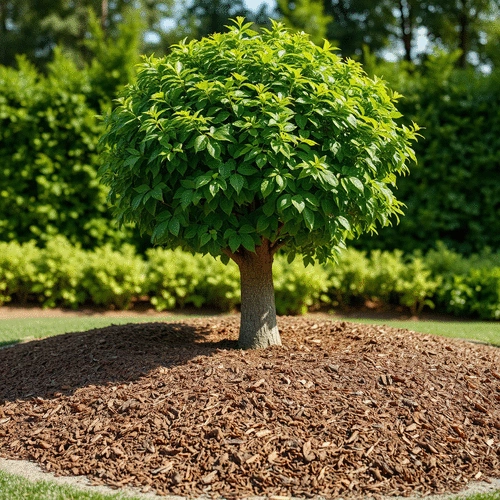
So, what exactly is mulch? In simple terms, mulch is any material that you spread over the soil surface around your trees. Its primary role is to protect the soil and improve tree health by providing various essential functions. When used correctly, mulch can be a game-changer for your landscape.
Definition and Types of Mulch: Organic vs. Inorganic
There are two main types of mulch: organic and inorganic. Organic mulch includes materials like wood chips, bark, straw, and compost. This type of mulch breaks down over time, enriching the soil with nutrients. On the other hand, inorganic mulch consists of materials like gravel, stones, or landscape fabric. While it doesn’t provide nutrients, it serves well in weed suppression and moisture retention.
When choosing between the two, consider your tree's needs and the overall objectives of your landscaping project. For example, if you aim to enhance soil quality, organic mulch is the best choice. However, if you’re looking for longevity and low maintenance, inorganic options might be more suitable. Proper mulching is also a key component of sustainable tree care for homeowners.
Essential Functions of Mulch in Tree Health
Mulch plays several crucial roles in promoting tree health. Here are some essential functions:
- Moisture retention: It helps keep the soil damp, reducing the need for frequent watering.
- Temperature regulation: Mulch acts as an insulator, protecting roots from extreme heat and cold.
- Weed suppression: A thick layer of mulch can prevent weeds from sprouting, allowing your trees to compete less for nutrients.
- Nutrient enhancement: Organic mulch adds essential nutrients back into the soil as it decomposes.
By embracing these functions, you can significantly improve your trees' health and vigor. It’s like giving your trees a cozy blanket that nurtures them throughout the seasons!
Common Mulch Types and Their Uses: Wood Chips, Bark Mulch, Straw Mulch, and Compost
When selecting mulch, you have various options, each with unique benefits. Here’s a quick guide:
- Wood Chips: Great for moisture retention and weed control. Ideal for tree beds and garden paths.
- Bark Mulch: Offers a rustic aesthetic and helps regulate soil temperature effectively.
- Straw Mulch: Excellent for vegetable gardens or around young trees, providing a soft ground cover.
- Compost: Packed with nutrients, it serves as a natural fertilizer while enhancing soil structure.
Each mulch type has its place in tree care, so consider your specific needs when making a choice. Investing in the right mulch type not only beautifies your landscape but also fosters a thriving environment for your trees! For more in-depth information on nurturing specific types of trees, check out our guide on pruning fruit trees: a simple guide.
Key Benefits of Mulching for Trees
As I mentioned earlier, mulching offers numerous benefits that can enhance your trees' health. By understanding these advantages, you can make informed decisions that will lead to a healthier, more vibrant landscape.
Quick Summary
Here's a brief recap of the key points discussed so far:
- Mulch is essential for tree health, providing moisture retention, temperature regulation, and weed suppression.
- There are two main types of mulch: organic (wood chips, bark, straw, compost) and inorganic (gravel, stones), each serving unique purposes.
- Choosing the right mulch type enhances soil quality and promotes a thriving landscape for your trees.
Recap of Mulching Benefits and Best Practices for Tree Care
As we wrap up our discussion on the importance of mulch, it’s clear that this simple material can have a significant impact on tree health and growth. At Timberline Garden, we believe that understanding the benefits of mulching—and applying the best practices—can truly transform your landscape. Whether you're a seasoned gardener or just starting, let’s take a moment to recap why mulching is essential!
From maintaining soil moisture to suppressing weeds, mulching offers a variety of advantages that are hard to overlook. It not only improves the aesthetic appeal of your garden but also supports the overall health of your trees. Remember, it’s not just about throwing some mulch down; it’s about doing it right! Let's explore some visual guides and resources that can help you in this journey.
Visual Guides and Resources for Effective Mulching
In our quest for healthy trees, having the right resources at our fingertips can make all the difference. Visual guides can simplify complex information, making it easier for you to understand the science behind mulching. Here are a couple of resources that I find incredibly helpful:
- Infographics: Catchy infographics can visually break down the science behind mulch benefits, showing how it helps your trees thrive.
- Mulch Volume Calculators: These tools can help you estimate the amount of mulch you'll need for your specific garden space, ensuring proper coverage without waste.
Having these resources handy can empower you to make informed decisions about your tree care routine. With tools like these, you can confidently approach your mulching tasks and see the positive effects in your landscape!
Engaging with Tree Care: Frequently Asked Questions
As we dive deeper into tree care, it’s common to encounter a few questions along the way. After years of working with trees, I've come across some frequent concerns that many homeowners face regarding mulching. Here are a few key points to keep in mind:
Frequently Asked Questions about Mulching
- Q1: What are the primary benefits of mulching for trees?
- A1: Mulching offers several key benefits, including moisture retention, temperature regulation, weed suppression, and nutrient enhancement for the soil.
- Q2: What is the difference between organic and inorganic mulch?
- A2: Organic mulch (e.g., wood chips, compost) breaks down over time, enriching the soil with nutrients. Inorganic mulch (e.g., gravel, stones) provides longevity and weed suppression but does not add nutrients.
- Q3: How close should mulch be to the tree trunk?
- A3: Mulch should not be piled directly against the tree trunk. Leave a few inches of space around the trunk to prevent rot and other issues.
- Q4: What are some common types of organic mulch?
- A4: Common organic mulch types include wood chips, bark mulch, straw mulch, and compost, each offering unique benefits for different tree care needs.
- Q5: Does mulching support biodiversity?
- A5: Yes, mulching fosters a healthier ecosystem by supporting various beneficial organisms that thrive in the soil, contributing to overall garden biodiversity.
By being aware of these common questions and mistakes, you can ensure that your trees are receiving the best care possible. At Timberline Garden, we encourage you to dive into your tree care journey with confidence!
Encouraging Tree Care through Mulching
Now that we’ve covered the essentials, let’s talk about the next steps you can take to implement effective mulching techniques. The journey toward a lush and healthy landscape starts with small, actionable steps. Here’s what you can do:
- Next Steps: Identify areas in your garden that could use a fresh layer of mulch, considering both appearance and health.
- Call to Action: We’d love to hear about your mulching experiences! Share your tips, successes, or even challenges in the comments below.
By engaging with your landscape and embracing the art of mulching, you’re taking a step toward fostering healthier trees and a thriving ecosystem. Remember, every little effort counts, and at Timberline Garden, we’re here to support you every step of the way! If you're considering a larger project, our guide on building a sustainable landscape design can provide further inspiration and practical advice.
Recap of Key Points
Here is a quick recap of the important points discussed in the article:
- Understanding Mulch: Mulch is a protective layer that enhances tree health and growth by retaining moisture, regulating temperature, suppressing weeds, and enriching soil.
- Types of Mulch: Choose between organic options like wood chips and compost for soil improvement, or inorganic options like gravel for low maintenance and weed control.
- Essential Functions: Mulch retains moisture, moderates soil temperature, suppresses weeds, and provides nutrients as organic mulch decomposes.
- Common Mulch Types: Use wood chips for moisture retention, bark mulch for aesthetics, straw mulch for young plants, and compost as a nutrient-rich fertilizer.
- Avoid Common Mistakes: Do not pile mulch too close to the tree trunk to prevent rot and other issues.
- Engagement: Share your mulching experiences and tips with the community to encourage better tree care practices.