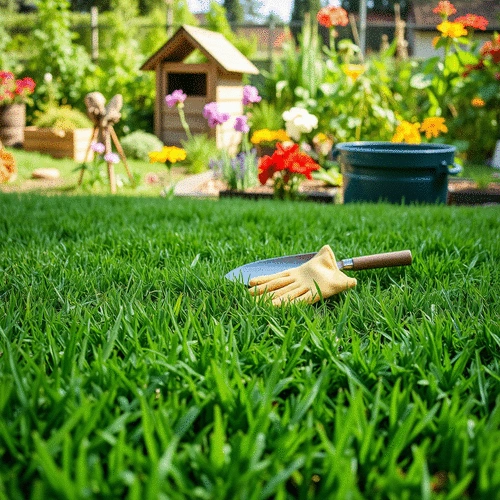
Imagine walking through a lush, green lawn that thrives without the harsh chemicals typically used in traditional care methods. What if you could create such an environment while also benefiting the ecosystem? Embracing organic lawn care not only transforms your yard but also nurtures the earth beneath your feet.
What You Will Learn
- The importance of soil health as the foundation for a thriving lawn and ecosystem.
- How to identify soil deficiencies through testing, empowering you to make informed decisions for your lawn's needs.
- The benefits of organic fertilization and the types of organic fertilizers that promote sustainable lawn growth.
- The crucial role of microbial activity in soil health and how to foster a thriving community of microorganisms.
- Effective organic mulching techniques that enhance moisture retention, suppress weeds, and improve soil quality.
- The significance of patience and consistency in organic lawn care practices for long-term success.
- How to create a seasonal organic lawn care calendar to stay organized and on track throughout the year.
- Ways to engage with the lawn care community for shared knowledge and support in organic gardening practices.
- The advantages of using multimedia resources, like infographics and videos, to enhance your understanding of organic lawn care techniques.
- The importance of ongoing learning and adaptation in sustainable lawn care practices for continued improvement.
Key Components of Organic Lawn Care
Understanding the essential elements of organic lawn care can lead to a thriving ecosystem in your yard. For more insights into creating harmonious outdoor spaces, consider exploring building a sustainable landscape design.
Organic Fertilization
Utilizing natural materials to feed your lawn, promoting long-term soil health.
Compost and Natural Amendments
Adding organic matter like compost enriches the soil and enhances moisture retention.
Mulching Techniques
Incorporating organic mulch to retain moisture, suppress weeds, and add organic matter.
Soil Health Testing
Conducting soil tests to identify nutrient deficiencies and pH levels for informed lawn care decisions.
Understanding Organic Lawn Care: Benefits and Foundations
When we think about maintaining a beautiful lawn, it's essential to consider the approach we take. At Timberline Garden, I believe in the power of organic lawn care, which not only enhances the beauty of your yard but also promotes a healthy ecosystem. By focusing on natural methods, we can create lush green spaces that thrive without the harsh chemicals often found in conventional techniques.
So, why should we invest our time and efforts into organic lawn care? The benefits are numerous! Not only does it improve the overall health of your lawn, but it also contributes positively to the environment. When we adopt organic practices, we reduce the risk of chemical runoff, promote biodiversity, and create a safe area for pets and children to play.
Why Soil Health is Essential for a Thriving Lawn
Before diving into the world of organic lawn care, we need to understand the foundations of a healthy lawn—specifically, the soil! Healthy soil serves as the backbone for a thriving lawn, providing essential nutrients and a habitat for beneficial organisms. When soil health is prioritized, your grass can grow vibrant and lush, making your outdoor space something to be proud of!
One common misconception is that good lawn care is all about the grass above. However, focusing on soil health creates a ripple effect that benefits every aspect of your lawn care routine. Healthy soil leads to stronger grass roots, better water retention, and increased resistance to pests and diseases. For a deeper understanding of fostering healthy plant life, you might find our guide on native plants for sustainable landscapes particularly useful.
Identifying Soil Deficiencies Through Testing
To truly understand your lawn's needs, conducting a soil test is a crucial step. This simple process allows you to identify any deficiencies in nutrients and pH levels. You can either purchase a soil test kit from your local garden store or send a sample to a lab for analysis. Either way, knowing what your soil needs will empower you to make informed decisions for your lawn!
Here’s a quick checklist for soil testing:
- Gather a clean container to collect soil samples.
- Take samples from different areas of your lawn to get a comprehensive view.
- Follow the testing instructions carefully for accurate results.
Amending Soil with Organic Matter and Natural Minerals
Once you have your soil test results, it's time to amend your soil! Adding organic matter, like compost, is one of the best ways to improve soil structure and nutrient content. Organic matter not only enriches the soil but also enhances its ability to retain moisture and support microbial life.
Natural minerals, such as rock phosphate or greensand, can also boost soil health. These amendments help provide essential nutrients that your grass needs to thrive. It's like giving your lawn the vitamins it needs to be its best self!
The Role of Microbial Activity in Soil Health
Did you know that a thriving lawn is just as much about what happens below ground as above? The microbial activity in your soil plays a vital role in breaking down organic matter and releasing nutrients. Healthy soil is teeming with beneficial microorganisms, such as bacteria and fungi, that work together to create a balanced ecosystem.
Encouraging microbial life can be as simple as avoiding chemical fertilizers and pesticides. By fostering a natural environment, you’re giving your lawn the best chance to grow strong and resilient. Think of it as nurturing a community that supports each other, producing a flourishing lawn in the process! This approach aligns well with eco-friendly lawn care practices that promote a healthier environment.
Key Components of Organic Lawn Care
Now that we’ve covered the foundational aspects of soil health, let’s explore some key components of organic lawn care. By understanding these elements, you can create a beautiful and sustainable lawn that not only looks good but also contributes to the environment.
Embracing organic practices means making thoughtful choices about the products we use. Here are some essential components to consider:
- Organic fertilization
- Compost and natural amendments
- Mulching techniques
What is Organic Fertilization?
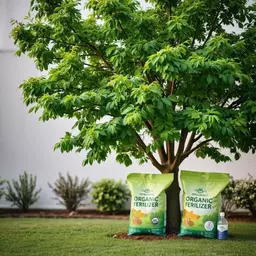
Organic fertilization refers to the practice of using natural materials to feed your lawn, rather than synthetic options. This approach promotes long-term soil health and supports the ecosystem. It’s all about building a robust foundation that allows your lawn to flourish year after year!
Some common organic fertilizers include compost, manure, and plant-based fertilizers, which release nutrients slowly and steadily. This slow release ensures that your grass receives a consistent supply of nutrients without the risk of over-fertilization.
Types of Organic Fertilizers: Compost, Bone Meal, and More
When it comes to organic fertilizers, variety is key! Here are some types I often recommend:
- Compost: A nutrient-rich blend of decomposed organic matter.
- Bone meal: A slow-releasing phosphorus source that promotes root growth.
- Fish emulsion: A liquid fertilizer that provides a balanced mix of nutrients.
Using these organic fertilizers not only nourishes your lawn but also improves soil structure, drainage, and moisture retention. What’s not to love about that?
Exploring the Benefits of Organic Mulching
Mulching is not just for flower beds! Incorporating organic mulch in your lawn care routine can provide numerous benefits. Not only does it help retain moisture, but it also suppresses weeds and adds organic matter to the soil as it breaks down.
Choosing the right mulch is essential, too. Here are some options to consider:
- Bark mulch: Great for aesthetic appeal and moisture retention.
- Grass clippings: A free option that recycles nutrients back into the lawn.
- Straw or leaves: Natural materials that provide ground cover and improve soil health.
At Timberline Garden, I often see the positive impact of mulching on lawns, and I highly encourage everyone to give it a try!
Pro Tip
To further enhance the effectiveness of your organic lawn care, consider implementing a "no-mow" zone. This practice allows native plants to flourish, increasing biodiversity and attracting beneficial insects. Not only does this improve your lawn's ecosystem, but it also reduces maintenance time and costs. Embrace the beauty of natural growth and watch your lawn thrive!
Maintaining Consistency in Organic Lawn Care Practices
When it comes to organic lawn care, one of the most important things to remember is that patience is key. Unlike traditional methods, organic practices take time to show results. You might feel tempted to rush through tasks, but embracing the slow and steady approach can truly transform your lawn into a thriving ecosystem!
Think about it! Each component of organic care, from soil health to pest control, works together in harmony. By allowing nature to take its course, you’re not just growing grass; you’re nurturing a sustainable environment that supports all kinds of life. Remember, the journey to a lush, green lawn is a marathon, not a sprint!
Embracing the Patience Required for Organic Methods
Many homeowners often expect instant results, but that’s not how organic methods operate. As you embark on your organic lawn care journey, here are some things to keep in mind:
- Observe changes over time rather than expecting overnight success.
- Be consistent with your organic practices, even when progress seems slow.
- Celebrate small victories, such as healthier grass or reduced weeds!
Just like I learned through my years at Timberline Garden, understanding that every season offers a chance for growth helps keep motivation high. With each step, you’ll witness the benefits of your hard work unfold!
Creating a Seasonal Organic Lawn Care Calendar
A well-planned schedule can be your best ally in maintaining a healthy lawn. By creating a seasonal organic lawn care calendar, you’ll ensure that you’re on top of all necessary tasks year-round. Here’s a simple framework to get you started:
- Spring: Test soil, apply organic fertilizers, and prepare for weed management.
- Summer: Focus on watering techniques, mow properly, and keep an eye on pests.
- Fall: Aerate the lawn, overseed if needed, and prepare for winter.
- Winter: Plan for spring! Reflect on what worked and what didn’t.
Having a calendar not only keeps you organized but also helps you track your lawn’s progress. Plus, seeing your plans laid out can be motivating, especially when you start to see the fruits of your labor! For complex issues like tree health that might impact your lawn, professional insights can be invaluable, similar to when considering professional tree care services.
Engaging with the Lawn Care Community
One of the best parts of organic lawn care is the community surrounding it. Engaging with fellow gardeners not only expands your knowledge but also creates a supportive network. Sharing experiences, successes, and challenges can make your journey even more enjoyable!
As you delve deeper into organic practices, consider connecting with local gardening groups or online forums. These platforms allow you to exchange tips and learn from others who share your passion for sustainable landscaping.
Sharing Experiences and Tips with Fellow Gardeners
Building relationships with other lawn care enthusiasts can enrich your own practices. Here are some ways to engage with the community:
- Join local gardening clubs or online forums.
- Attend workshops focused on organic gardening.
- Host a “lawn care day” where neighbors can share tips and techniques!
At Timberline Garden, I’ve found that collaboration fosters a thriving community where we can all learn and grow together. Your experiences might inspire someone else to try organic methods, and vice versa!
Incorporating Multimedia for Enhanced Learning
Learning doesn’t have to be limited to reading! Incorporating multimedia into your gardening journey can make it more engaging. Consider using various resources to enhance your understanding of organic practices.
Utilizing Infographics and Videos to Improve Engagement
Visual aids can simplify complex information, making it easier to grasp and apply. Here’s how you can incorporate multimedia:
- Follow YouTube channels that focus on organic lawn care techniques.
- Check out infographics that illustrate soil health or pest management.
- Share your own videos or infographics on social media to inspire others!
With today’s technology, you have the world of gardening right at your fingertips. Engaging with multimedia tools can deepen your understanding and help build connections with others who are also passionate about maintaining a beautiful, sustainable lawn.
Recap of Organic Lawn Health Strategies
As we wrap up, remember the key organic practices that can lead to a flourishing lawn. From understanding soil health to engaging with fellow gardeners, each step you take contributes to your lawn's overall health.
Embrace the journey, stay patient, and keep learning! Organic lawn care is not just about having a beautiful yard; it’s about creating a vibrant ecosystem that benefits both you and the environment.
Encouragement for Ongoing Learning and Adaptation
Always be open to learning new things. Nature is ever-changing, and so are our approaches to caring for it. Continuous learning will ensure your methods remain relevant and effective.
Exploring Sustainable Gardening Practices for Long-Term Success
Consider incorporating new sustainable practices into your lawn care routine. Explore options like permaculture techniques or companion planting, which can further enhance your lawn's health. Every small change can lead to substantial benefits over time! To learn more about effective sustainable practices, read about designing a water-efficient garden, which offers additional ways to promote environmental health in your yard.
At Timberline Garden, I believe that with a little patience and a lot of care, anyone can achieve their dream lawn. Let’s embrace the beauty of organic gardening together!
Frequently Asked Questions (FAQs)
Q1: Why is soil health so important for organic lawn care?
A1: Soil health is the foundation for a thriving lawn because it provides essential nutrients and a habitat for beneficial organisms. Healthy soil leads to stronger grass roots, better water retention, and increased resistance to pests and diseases.
Q2: How can I identify deficiencies in my lawn's soil?
A2: The best way to identify soil deficiencies is by conducting a soil test. You can purchase a DIY kit or send a sample to a lab for a comprehensive analysis of nutrient levels and pH.
Q3: What are the benefits of using organic fertilizers?
A3: Organic fertilizers promote long-term soil health, release nutrients slowly and steadily, improve soil structure, enhance drainage, and increase moisture retention without the harsh chemicals found in synthetic options.
Q4: How does microbial activity contribute to a healthy lawn?
A4: Microbial activity in the soil is crucial for breaking down organic matter and releasing nutrients. Beneficial microorganisms like bacteria and fungi create a balanced ecosystem that supports strong, resilient grass growth.
Q5: What are some effective organic mulching techniques?
A5: Organic mulching helps retain moisture, suppress weeds, and adds organic matter to the soil. Options include bark mulch for aesthetics and moisture retention, grass clippings for nutrient recycling, and straw or leaves for ground cover and soil improvement.
Q6: What is the most important factor for success in organic lawn care?
A6: Patience and consistency are key. Organic methods take time to show results, so it's important to be persistent with your practices and observe changes over time rather than expecting instant success.
Recap of Key Points
Here is a quick recap of the important points discussed in the article:
- Prioritize Soil Health: Healthy soil is the foundation for a thriving lawn. Conduct soil tests to identify deficiencies and amend with organic matter.
- Utilize Organic Fertilizers: Embrace organic fertilization methods, such as compost and natural amendments, to nourish your lawn sustainably.
- Practice Mulching: Use organic mulch to retain moisture, suppress weeds, and improve soil health over time.
- Be Patient: Organic lawn care requires time and consistency. Monitor progress and celebrate small victories along the way.
- Create a Seasonal Care Calendar: Plan your lawn care tasks seasonally to stay organized and track progress throughout the year.
- Engage with the Community: Connect with fellow gardeners to share experiences, tips, and gain new insights into organic practices.
- Incorporate Multimedia: Use videos and infographics to enhance your learning and understanding of organic lawn care techniques.