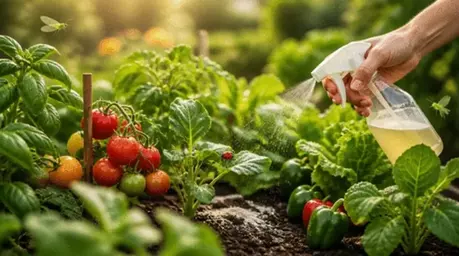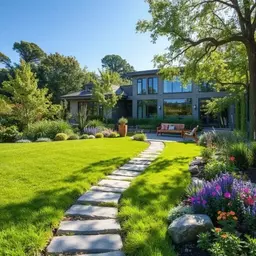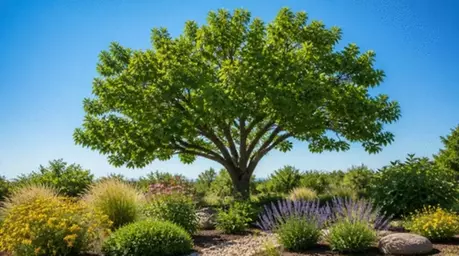
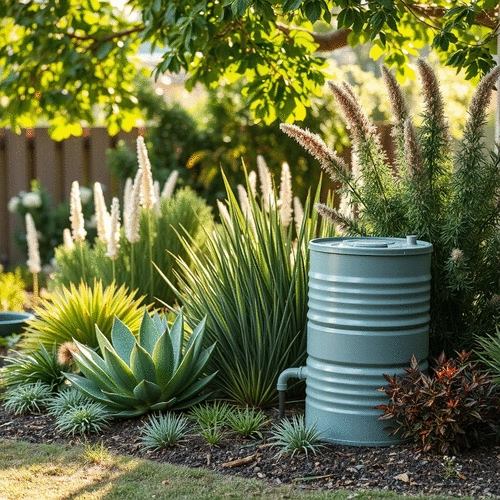
Water scarcity is a growing concern around the globe, affecting ecosystems and communities alike. By understanding the principles of water-efficient gardening, you can contribute to a sustainable future while enhancing the beauty of your outdoor spaces.
What You Will Learn
- Water efficiency in gardening involves optimizing water use through smart plant choices and design strategies.
- Utilizing native and drought-tolerant plants can significantly reduce water consumption and promote biodiversity.
- Effective irrigation methods, such as drip irrigation, can lead to substantial water savings and healthier gardens.
- Practices like mulching and improving soil health enhance moisture retention and decrease the need for chemical fertilizers.
- Community engagement in water conservation efforts fosters a sense of collective responsibility and accelerates positive environmental impact.
- Participating in local gardening workshops and educational programs can enhance your knowledge and inspire sustainable practices.
Key Principles for Water-Efficient Gardening
Utilizing sustainable practices leads to a healthier garden and conservation of resources. Below, you can explore the vital strategies for achieving water efficiency. For a deeper dive into sustainable landscaping, consider reading about building a sustainable landscape design.
Native Plants
Adapted to your local climate, these plants require less water and help maintain local ecosystems.
Efficient Irrigation
Utilizing methods like drip irrigation saves water and promotes better plant health.
Mulching
Helps retain soil moisture, reducing the need for frequent watering.
Soil Improvement
Healthy soil retains more moisture, leading to better plant growth.
Understanding the Importance of Water-Efficient Garden Design
Creating a water-efficient garden is not just a trend; it’s a necessity! As I’ve learned through my years in landscaping, every drop of water counts. By adopting water-efficient practices, we can enhance our gardens while also contributing to a sustainable future. This approach is about respecting our natural resources and ensuring our outdoor spaces thrive without unnecessary waste.
Water efficiency in gardening involves designing landscapes that make the most of available water. It means choosing plants and methods that require less water, thus promoting a healthier ecosystem. In my experience at Timberline Garden, I’ve seen how mindful gardening can lead to stunning results, both aesthetically and environmentally. So, what does it truly mean to create a water-efficient garden? Let’s dive in!
Defining Water Efficiency in Gardening
Water efficiency in gardening refers to the careful management of water resources to minimize waste and optimize plant health. This includes using techniques and strategies that conserve water while still supporting beautiful, lush landscapes. When I talk to clients, I emphasize that it’s not just about reducing water use; it’s about creating a thriving environment where plants can flourish.
To achieve water efficiency, gardeners can implement several strategies, such as:
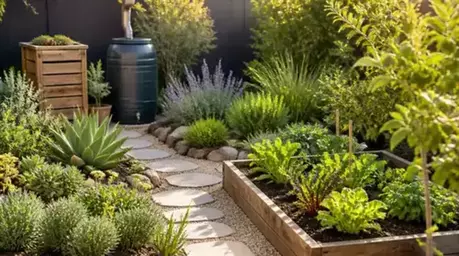
- Utilizing native plants that are adapted to the local climate
- Employing efficient irrigation methods
- Incorporating mulching to retain soil moisture
- Grouping plants with similar water needs together
These practices not only help conserve water but also promote biodiversity and create a more resilient garden. It's amazing what a little planning can do for your garden and the environment!
The Role of Water Conservation in Sustainable Gardening
Water conservation is a cornerstone of sustainable gardening. By managing water wisely, we can reduce our environmental footprint and promote healthy ecosystems. When I speak with fellow gardeners, I often highlight how water-efficient gardens can also become habitats for beneficial insects and wildlife.
Here’s why water conservation is crucial in sustainable gardening:
- It enhances soil health, allowing for better plant growth.
- It reduces the need for chemical fertilizers and pesticides, promoting a healthier environment.
- It decreases the demand on municipal water systems, particularly in drought-prone areas.
Ultimately, each small effort to conserve water contributes to a larger impact. Remember, a thriving garden is about more than just lush greenery; it’s about nurturing our planet for future generations! At Timberline Garden, I’m excited to help you on this journey toward creating a water-efficient garden that resonates with sustainability.
Quick Summary
Here's a brief recap of the key points discussed so far:
- Water-efficient gardening is essential for sustainable landscaping and conserving our natural resources.
- Strategies for achieving water efficiency include using native plants, efficient irrigation methods, and soil improvement techniques.
- Water conservation enhances soil health, reduces chemical usage, and supports local ecosystems.
Summarizing Key Takeaways for a Water-Efficient Garden Design
As we wrap up our discussion on water-efficient gardening, it's essential to highlight the core principles that can help you create an environmentally friendly outdoor space. By embracing sustainable practices, you not only conserve one of our most precious resources but also enhance the overall health and beauty of your garden. At Timberline Garden, I believe that every little effort counts! So, let's revisit some key takeaways that can guide your journey toward a water-efficient garden.
First off, the concept of water efficiency is about making smart choices in your garden design and plant selection. Utilizing drought-tolerant plants and implementing effective irrigation techniques can significantly reduce your water usage. Additionally, practices like mulching and improving soil health should not be overlooked, as they play a critical role in moisture retention. Remember, a well-designed garden is both beautiful and sustainable!
Reiterating the Importance of Sustainable Practices
It’s clear that sustainable practices are vital for both the environment and your garden's longevity. By adopting these methods, you contribute to a healthier planet while enjoying the benefits of a vibrant outdoor space. Here are several sustainable practices to consider:
- Use native plants: They are adapted to your local climate and require less water.
- Implement efficient irrigation: Techniques like drip irrigation can save you water and money.
- Mulch regularly: This helps retain soil moisture and suppress weeds.
- Improve soil health: Healthy soil holds more water, benefiting your plants.
By prioritizing these sustainable practices, you can ensure that your garden thrives while reducing unnecessary water consumption. It’s a win-win situation that allows you to enjoy nature without compromising our precious resources!
Encouraging Community Involvement in Water Conservation Efforts
As you embark on your water-efficient gardening adventure, consider the impact your efforts can have on your community. Engaging with others who share similar goals can foster a sense of camaraderie and collective responsibility. Here are a few ways you can promote community involvement:
- Host local gardening workshops to share your knowledge of water-efficient techniques.
- Participate in community clean-up events that focus on enhancing local green spaces.
- Start a neighborhood garden club focused on sustainable gardening practices.
- Collaborate with local schools for educational programs on water conservation.
By inspiring others to join you in these efforts, you can create a ripple effect that leads to a more sustainable future for your community. It's about sharing the love for gardening and making a difference one garden at a time!
Engaging with Your Audience: FAQs and Further Resources
Now that we've covered the essentials of water-efficient gardening, let’s address some common questions that may arise as you embark on this journey. Understanding these FAQs can help clear up any confusion and set you on the right path to creating a thriving garden.
Frequently Asked Questions About Water-Efficient Gardening
Here are some frequently asked questions that I encounter, along with their answers to guide you:
- What is xeriscaping? Xeriscaping is a landscaping method that reduces or eliminates the need for irrigation, primarily by using drought-tolerant plants that are well-suited to the local climate.
- How often should I water my garden for water efficiency? The ideal watering frequency depends on your plant selection, local climate, and soil type. However, a general rule for water efficiency is to water less frequently but more deeply, encouraging deeper root growth.
- Can I still have a lawn in a water-efficient garden? Yes, you can! Consider using low-water grass alternatives or ground covers that thrive in your climate. You can also reduce the size of your lawn area and replace it with drought-tolerant plantings.
- What are soil moisture sensors and how do they help? Soil moisture sensors are devices that measure the moisture content in your soil. They help ensure you water only when necessary, preventing overwatering and conserving water.
- What are the benefits of mulching in a water-efficient garden? Mulching helps retain soil moisture, reduces evaporation, suppresses weeds, and regulates soil temperature, all of which contribute to less frequent watering and healthier plants.
- Why are native plants important for water-efficient gardening? Native plants are naturally adapted to your local climate and rainfall patterns, meaning they require significantly less supplemental irrigation once established compared to non-native species. They also support local ecosystems and wildlife.
Common Questions About Water-Efficient Gardening Explained
Here are some frequently asked questions that I encounter, along with their answers to guide you:
- What is xeriscaping? It’s a landscaping method that reduces or eliminates the need for irrigation, using drought-tolerant plants.
- How often should I water my garden? This depends on your plant selection, climate, and soil type, but generally, less frequent, deep watering is better.
- Can I still have a lawn in a water-efficient garden? Yes! Consider low-water grass alternatives that thrive in your climate.
- What are soil moisture sensors? These devices help monitor your soil's moisture levels, ensuring you water only when necessary.
Having clear answers to these questions can empower you as you implement water-efficient gardening practices.
Resources for Continued Learning in Sustainable Gardening
As you look to expand your gardening knowledge, there are numerous resources available to help you along the way. At Timberline Garden, I am dedicated to providing you with information that sparks your passion for sustainable landscaping!
- Check out local libraries for books on sustainable gardening and water conservation.
- Follow online gardening forums and social media groups dedicated to water-efficient practices.
- Attend local gardening events and workshops to learn from experts and fellow enthusiasts.
- Explore websites dedicated to sustainable gardening, like Timberline Garden, for guides and tips.
By taking advantage of these resources, you can continue to grow your knowledge and skills, making your gardening experience even more fulfilling. Let’s cultivate a greener future together!
Exploring Gardening Workshops and Environmental Education Opportunities
Finally, one of the best ways to dive deeper into water-efficient gardening is to participate in workshops and educational programs. These events provide hands-on experiences and the chance to connect with like-minded individuals. Keep an eye out for opportunities in your area, as they can be invaluable for both beginners and seasoned gardeners alike! You might also find it helpful to explore resources on professional tree care services explained to ensure the health of larger elements in your water-efficient landscape.
Remember, every step you take helps in creating a sustainable landscape that benefits you, your community, and the environment. Happy gardening!
Recap of Key Points
Here is a quick recap of the important points discussed in the article:
- Water Efficiency Definition: Focus on managing water resources wisely to minimize waste and enhance plant health.
- Utilize Native Plants: Choose plants that are adapted to your local climate to reduce water needs.
- Efficient Irrigation: Implement methods like drip irrigation for water conservation.
- Soil Health: Improve soil quality to retain moisture and support plant growth.
- Community Involvement: Engage with local initiatives to promote water conservation and sustainable gardening practices.
- Continuous Learning: Utilize resources such as books, online forums, and workshops to enhance your gardening knowledge.