The transformative power of trees goes beyond aesthetics; they are vital to our ecosystem's health and sustainability. This article dives deep into the multifaceted benefits of trees in landscaping, emphasizing the importance of integrating these natural wonders into our outdoor spaces. Let's explore the essential lessons learned from this discussion.
What You Will Learn
- Air Quality Improvement: Trees act as natural air filters, absorbing pollutants and releasing oxygen, which enhances overall air quality.
- Climate Regulation: Trees sequester carbon dioxide, playing a crucial role in mitigating climate change and promoting a healthier planet.
- Water Management: Tree root systems help manage stormwater, reducing runoff and promoting groundwater recharge, leading to cleaner water bodies.
- Biodiversity Support: Trees create habitats for wildlife and enhance soil health, contributing to overall biodiversity in ecosystems.
- Energy Efficiency: Strategically placed trees provide natural cooling and windbreaks, reducing heating and cooling costs for homes.
- Choosing the Right Trees: Selecting native and adaptable tree species ensures resilience and supports local ecosystems, enhancing the overall sustainability of your landscape.
- Best Planting Practices: Following proper planting techniques and maintenance schedules ensures long-term health and sustainability of trees in landscaping.
- Community Engagement: Collaborating with local communities to promote tree planting and sustainability practices strengthens environmental efforts and beautifies shared spaces.
Benefits of Trees in Sustainable Landscaping
Exploring the key ecological contributions and advantages of trees in landscaping, highlighting their essential role in sustainability.
Air Quality Improvement
Trees filter pollutants and produce oxygen, significantly enhancing the air we breathe.
Climate Regulation
Trees absorb carbon dioxide, helping mitigate climate change and promote a healthier planet.
Water Management
Trees play a critical role in stormwater management, reducing runoff and conserving water.
Wildlife Habitats
Trees provide shelter and food for birds, insects, and mammals, enhancing biodiversity.
Soil Health
Tree roots improve soil structure, allowing nutrients and water to penetrate, preventing erosion.
Microclimate Regulation
Trees help regulate temperatures, creating comfortable outdoor spaces and enhancing energy efficiency.
The Importance of Trees in Sustainable Landscaping Practices
When we think of sustainable landscaping, trees often take center stage! At Timberline Garden, I’ve seen firsthand how trees can transform a landscape, not just for beauty but also for the environment. They play a vital role in our ecosystems, providing numerous benefits that extend beyond their mere presence.
From improving air quality to offering habitats for wildlife, trees are essential in creating a thriving outdoor space. In this section, we will explore the multifaceted benefits of trees in sustainable landscaping, emphasizing their role in promoting ecological balance. Let's dive into the many reasons why incorporating trees into our landscapes is a must! For more ideas, explore building a sustainable landscape design.
Understanding the Ecosystem Benefits of Trees
Trees are often dubbed the *lungs of our planet*, and for good reason! They provide numerous ecosystem benefits that are crucial for maintaining environmental health. The following are some of the main advantages trees offer:
- Air Quality Improvement: Trees filter pollutants and produce oxygen, significantly enhancing the air we breathe.
- Climate Regulation: They absorb carbon dioxide, helping mitigate climate change and promote a healthier planet.
- Water Management: Trees play a critical role in stormwater management, reducing runoff and conserving water.
Enhancing Air Quality Through Tree Canopy
The canopy formed by trees acts as a natural air filter. As trees absorb carbon dioxide, they release oxygen during photosynthesis, contributing to cleaner air. Did you know that a single mature tree can produce enough oxygen for two people each day? That’s quite impressive!
Moreover, trees trap dust, pollen, and other pollutants, improving overall air quality in urban areas. This makes them vital for public health, especially in cities where air pollution can be a significant concern.
Carbon Sequestration: Trees as Climate Mitigators
Another vital role trees play is in carbon sequestration. By absorbing carbon dioxide from the atmosphere, trees help mitigate climate change. As a passionate advocate for sustainability, I encourage everyone to plant trees not just for their beauty but also for their essential role in climate health.
Every tree planted contributes to a larger effort against global warming, making it crucial to consider planting more trees in our landscaping projects!
Stormwater Management: Trees and Their Role in Water Conservation
Trees are natural warriors against flooding and water pollution! Their root systems absorb rainwater, promoting groundwater recharge and reducing surface runoff. This keeps our rivers and lakes cleaner, which is something we should all strive for.
Incorporating trees into your landscape design can significantly enhance your property’s resilience to storms. With the right planning, trees can mitigate potential water damage while enhancing the beauty of your outdoor spaces.
Promoting Biodiversity and Habitat
One of the less obvious yet incredibly important benefits of trees is their ability to promote biodiversity. When we plant trees, we're not just adding greenery; we’re creating ecosystems that support various forms of life. Here’s how trees contribute to biodiversity:
- Wildlife Habitats: Trees provide shelter and food for birds, insects, and mammals.
- Soil Health: Tree roots improve soil structure, allowing nutrients and water to penetrate.
- Pollinator Support: Flowers from trees attract pollinators, crucial for plant reproduction.
Creating Wildlife Habitats with Native Species
Using native tree species in landscaping is a fantastic way to encourage local wildlife. These trees are already adapted to the environment and are more likely to attract native birds and insects. As I often advise, planting native plants for sustainable landscapes can create a flourishing habitat right in your backyard!
By choosing the right species, we can support biodiversity and create a harmonious balance within our landscapes.
Supporting Soil Health and Preventing Erosion
Trees play a crucial role in maintaining soil health. Their roots stabilize the soil, preventing erosion and loss of nutrients. This is especially important in areas prone to heavy rains where soil can easily wash away.
Healthy trees contribute to a thriving ecosystem, which ultimately leads to healthier landscapes. It’s a beautiful cycle of giving and receiving in nature!
Implementing Pollinator Gardens and Wildlife Corridors
Creating pollinator gardens and wildlife corridors is another way to enhance the benefits of trees. By planting a variety of flowering trees and shrubs, we can attract bees, butterflies, and other pollinators essential for healthy ecosystems. This not only beautifies our landscapes but also contributes to food production!
Additionally, wildlife corridors allow animals to move safely between habitats, promoting genetic diversity and resilience. This is a win-win for both wildlife and our landscapes.
Energy Efficiency and Microclimate Regulation
Incorporating trees into your landscape design can also enhance energy efficiency! Trees can provide shade and windbreaks, significantly impacting your home’s heating and cooling costs. Here’s how trees contribute:
- Natural Cooling: Trees provide shade, reducing the need for air conditioning in summer.
- Windbreaks: Strategically placed trees can protect your home from harsh winds.
- Microclimate Control: Trees help regulate temperatures in their vicinity, creating comfortable outdoor spaces.
Using Trees for Natural Cooling and Windbreaks
Have you ever stood under a shade tree on a hot day? It’s a refreshing experience! Trees help lower temperatures and make outdoor areas more enjoyable. Plus, during winter, a well-placed tree can act as a windbreak, keeping your home warmer.
By planting trees wisely, we can create a more comfortable environment while also saving on energy bills!
Implementing Trees for Effective Microclimate Control
Trees create microclimates that can significantly enhance your outdoor living spaces. These localized climate areas can influence temperature, humidity, and light conditions, making your garden more inviting. It’s incredible how just a few strategically placed trees can transform an area!
This forms a perfect balance between comfort and energy efficiency, allowing us to enjoy our landscapes sustainably.
Addressing the Urban Heat Island Effect with Tree Canopy
In urban areas, buildings and pavement trap heat, leading to the urban heat island effect. Trees can help mitigate this by providing much-needed shade and cooling the air through transpiration. This is vital for maintaining a comfortable urban environment.
By increasing tree canopy coverage, we can significantly lower temperatures and improve air quality in our cities. It’s about creating spaces where both people and nature can thrive!
Choosing the Right Trees for Sustainable Landscapes
Choosing the right trees is essential for sustainable landscaping. It’s not just about aesthetics; it’s about selecting species that thrive in your local environment. Here are some key principles to consider:
- Right Tree, Right Place: Ensure you pick trees suitable for your location and soil conditions.
- Native and Adaptable Species: Identify species that are native to your area for better resilience.
- Biodiversity and Ecosystem Services: Select a mix of species to enhance ecosystem services.
The “Right Tree, Right Place” Principle in Urban Planning
When planning your landscaping, remember the “right tree, right place” principle. Each tree has unique needs regarding light, water, and space. By understanding these needs, you can create a thriving landscape that supports both your home and the environment.
This approach leads to healthier trees and reduces maintenance efforts in the long run!
Identifying Native and Adaptable Species Based on Climate Zones
As a landscape enthusiast, I highly recommend focusing on native and adaptable species. These trees are already suited to your local climate and soil conditions, making them easier to maintain. Plus, they support local wildlife, enhancing biodiversity!
Take time to research which trees thrive in your climate zone—this knowledge is invaluable for creating a sustainable landscape.
Tree Species Selection for Biodiversity and Ecosystem Services
In selecting tree species, consider their potential for biodiversity and ecosystem services. Mixing different species promotes a balanced ecosystem, aiding in pest control and enhancing soil health.
By choosing trees that offer various benefits, you’re not only beautifying your property but also contributing to a healthier environment!
Best Practices for Tree Planting in Sustainable Landscape Design
Planting trees is an exciting yet vital process in sustainable landscaping! To ensure success, follow these best practices for effective tree planting:
- Step-by-Step Guide: Start with a well-prepared planting hole and follow proper planting techniques.
- Tree Placement and Spacing: Consider the tree's size at maturity and space them accordingly.
- Utilizing Rain Gardens: Incorporate rain gardens to manage stormwater effectively.
Step-by-Step Guide to Effective Tree Planting
Planting a tree can seem daunting, but it’s quite straightforward! Here’s a simple step-by-step guide:
- Choose the right species for your location.
- Prepare the planting hole—make it twice as wide as the root ball.
- Place the tree in the hole, ensuring the root flare is above ground.
- Fill the hole with soil, water thoroughly, and add mulch to retain moisture.
Following these steps ensures your tree has a strong start and thrives in its new home!
Considerations for Tree Placement and Spacing
Proper placement and spacing of trees are crucial for their growth. Consider how large the tree will grow at maturity and give it ample space to thrive. Trees that are too close together can stunt growth and lead to competition for nutrients.
Taking the time to plan will pay off, resulting in a beautiful and sustainable landscape!
Utilizing Rain Gardens and Permeable Pavement in Design
Incorporating rain gardens and permeable pavement helps manage stormwater effectively while enhancing aesthetics. Rain gardens capture runoff and allow it to soak into the ground, benefiting nearby trees and plants.
Permeable pavement allows water to infiltrate, reducing runoff and promoting healthier landscapes. It’s a practical solution to enhance both sustainability and beauty in your garden.
Maintaining Trees for Long-Term Sustainability
Finally, maintaining trees is key for long-term sustainability. Healthy trees contribute to a thriving landscape, and regular maintenance ensures they reach their full potential. Here are some practices to keep in mind:
- Maintenance Schedules: Create schedules based on tree age and species needs.
- Monitoring Health: Regularly check for pests, diseases, and overall tree health.
- Urban Forestry Practices: Implement best practices for maintaining urban trees.
Creating Maintenance Schedules Based on Tree Age
Establishing a maintenance schedule based on tree age is essential. Young trees require more frequent care, including watering and pruning, while mature trees may need less attention. As a tree care expert, I advocate for proactive maintenance to prevent issues before they arise!
Tailoring your care routine will lead to healthy and resilient trees that flourish for years to come.
Monitoring for Health and Growth: Key Metrics
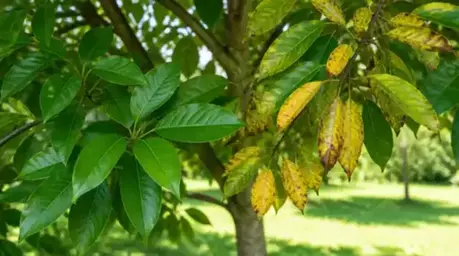
Monitoring your trees for health and growth is crucial. Keep an eye on signs of stress, leaf drop, or unusual growth patterns. Regular inspections can help you catch potential problems early, ensuring your trees stay vibrant and healthy!
Consider keeping a log of your observations to track changes over time. This data can inform your care practices and improve your overall landscaping approach.
Implementing Maintenance Practices for Urban Forestry
For urban areas, adopting specific maintenance practices is essential. Urban trees often face unique challenges, such as limited space and pollution. Implementing best practices, like proper pruning and mulching, can help mitigate these challenges, ensuring your trees remain healthy.
As we engage in the art of landscaping, let us remember that the care we give our trees directly impacts the health of our environment. By committing to sustainable practices, we can create lasting beauty and improve our outdoor spaces for future generations! For more in-depth information on ensuring your trees are healthy, consider reading about professional tree care services explained.
Quick Summary
As we continue discussing the vital role of trees in sustainable landscaping, here’s a brief recap of the key points covered so far:
- Ecosystem Benefits: Trees improve air quality, reduce carbon dioxide, and manage stormwater.
- Biodiversity Promotion: They create habitats for wildlife and support pollinators.
- Energy Efficiency: Trees provide shade and windbreaks, leading to lower energy costs.
- Tree Selection and Maintenance: Choosing the right tree species and implementing proper care practices is essential for sustainability.
Summarizing the Role of Trees in Sustainable Landscaping
As we wrap up our discussion about the vital role trees play in sustainable landscaping, it’s essential to reflect on the myriad of benefits they provide. Trees are not just beautiful additions to our landscapes; they offer substantial returns on investment (ROI) and lead to significant cost savings over time. By understanding how to quantify these benefits, we can make informed decisions about our outdoor spaces that align with sustainability goals.
When we talk about the benefits of trees, we often think of their aesthetic value, but we must also recognize their ecological contributions. From improving air quality to managing stormwater, the ecosystem services that trees provide can be measured and appreciated. To highlight this, consider the following benefits:
- Canopy Coverage: Increases shade and reduces energy costs.
- Runoff Reduction: Mitigates flooding and preserves water quality.
- Carbon Sequestration: Helps combat climate change.
Quantifying the Benefits: ROI and Cost Savings
Understanding the financial aspect of trees in landscaping is crucial. Studies show that every dollar invested in trees can yield considerable savings. For instance, trees can lower energy bills by providing shade, and they can increase property values by enhancing curb appeal. This aspect of tree care is something we emphasize at Timberline Garden, as trees are an investment in our future.
Beyond initial investments, trees support a life cycle of sustainability that brings ongoing benefits. Here are some key outcomes:
- Reduced Heating and Cooling Costs: Trees act as natural insulators.
- Improved Property Value: Well-landscaped properties often sell for more.
- Enhanced Community Aesthetics: Beautiful landscapes promote tourism and local pride.
Engaging with Your Community for Sustainability
Community involvement is fundamental in promoting sustainable practices. By bringing together local arborists and landscape architects, we can effectively plan and implement sustainable landscaping projects that benefit everyone. Have you considered how your community can engage with professionals to enhance green spaces? Collaboration is key!
At Timberline Garden, we believe in the power of sharing knowledge through case studies. These real-life examples demonstrate how communities can successfully implement sustainable practices. Here are a few strategies to consider:
- Host Workshops: Educate the community about tree care and landscaping.
- Organize Tree Planting Events: Get hands-on experience while beautifying the area.
- Build Partnerships: Collaborate with local businesses and schools for sustainability projects.
Encouraging Action for Sustainable Practices
Now that we’ve explored the benefits and community engagement, let’s discuss actionable steps you can take. As homeowners or community members, you hold the power to influence sustainability in your surroundings. Here are some simple actions you can implement:
- Choose Native Plants: Support local ecosystems by planting species that thrive in your area.
- Create a Maintenance Schedule: Regular care will ensure the longevity of your trees.
- Advocate for Green Spaces: Encourage local government to prioritize tree planting and maintenance.
In conclusion, the importance of trees in both urban and rural landscapes cannot be overstated. They provide numerous benefits that extend beyond aesthetics, contributing to environmental health and community well-being. As we explore sustainable design and organic landscaping options, let’s remember that every tree planted is a step towards a healthier planet. Are you ready to embrace these practices and enhance your outdoor spaces? At Timberline Garden, we're here to support you on this journey! 🌳
Frequently Asked Questions About Trees in Sustainable Landscaping
Q: How do trees improve air quality?
A: Trees act as natural filters, absorbing pollutants like carbon dioxide, nitrogen dioxide, and ozone, while releasing oxygen through photosynthesis, significantly enhancing the air we breathe.
Q: What role do trees play in climate regulation?
A: Trees sequester carbon dioxide from the atmosphere, helping to mitigate climate change and reduce the greenhouse effect. They are crucial for maintaining a healthier planetary climate.
Q: How do trees contribute to water management?
A: Tree root systems help absorb rainwater, reducing stormwater runoff and promoting groundwater recharge. This process helps prevent flooding and keeps our water bodies cleaner.
Q: Why is planting native tree species important for biodiversity?
A: Native tree species are adapted to local environments and provide essential food and shelter for native wildlife, including birds, insects, and mammals. This supports local ecosystems and enhances overall biodiversity.
Q: Can trees really help with energy efficiency?
A: Yes, strategically placed trees can provide natural cooling shade in summer, reducing the need for air conditioning. In winter, they act as windbreaks, helping to insulate homes and lower heating costs, thus improving overall energy efficiency.
Q: What is the "right tree, right place" principle?
A: This principle emphasizes selecting tree species that are well-suited for specific locations based on factors like light, water availability, soil conditions, and mature size. Adhering to this principle ensures the tree's health and reduces maintenance efforts.
Recap of Key Points
Here is a quick recap of the important points discussed in the article:
- Air Quality Improvement: Trees filter pollutants, produce oxygen, and improve overall air quality.
- Climate Regulation: Trees absorb carbon dioxide, helping to combat climate change.
- Water Management: Trees aid in stormwater management, reducing runoff and conserving water.
- Biodiversity Promotion: Trees provide habitats for wildlife and support local ecosystems.
- Energy Efficiency: Trees offer shade and windbreaks, contributing to lower heating and cooling costs.
- Maintenance Practices: Regular tree care and monitoring are essential for long-term sustainability.
- Community Engagement: Involving local communities in tree planting and care fosters sustainable practices.
- Choose Native Species: Selecting trees that are native to your area enhances resilience and biodiversity.