Have you ever wondered how the health of your trees impacts not just your yard but the environment as a whole? Understanding tree stress is essential for maintaining a vibrant landscape and a healthier planet.
Key Takeaways
- Tree stress is a reaction: It occurs when trees are unable to cope with environmental or biological stressors like drought, pests, or diseases.
- Early detection is crucial: Regular inspections can help identify signs of tree stress early, allowing for timely interventions that can prevent severe damage.
- Key symptoms to monitor: Look for signs such as leaf scorch, yellowing leaves, bark cracks, early leaf drop, and wilting leaves to assess tree health.
- Implement monitoring techniques: Use visual inspections, checklists, soil tests, and a balanced watering schedule to maintain tree health effectively.
- Seek professional help when necessary: If you notice severe damage, pest infestations, or unusual growth patterns, contacting an arborist can provide essential support.
- Utilize community resources: Local urban forestry programs can offer workshops, pest information, and access to certified arborists for tree care support.
Key Signs of Tree Stress Management
Recognizing the symptoms of tree stress is crucial for maintaining tree health and landscape aesthetics.
Leaf Scorch
Leaves turning brown or crispy.
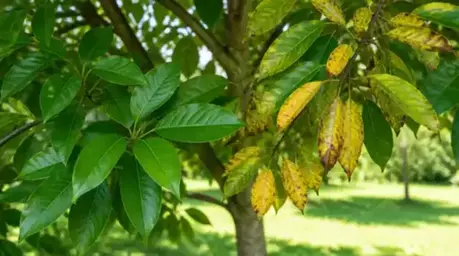
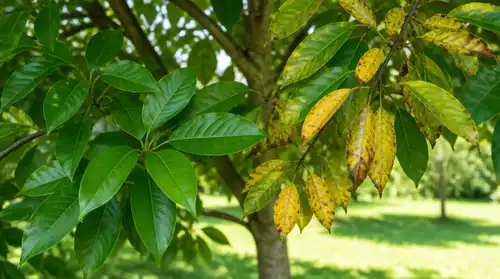
Yellowing Leaves
Generally a sign of nutrient deficiency.
Bark Cracks
Indicates potential inner issues or stress.
Early Leaf Drop
May suggest environmental or biological stress.
Wilting Leaves
Often signals water stress.
Understanding Tree Stress: An Overview of Common Problems
When we think about our trees, it's easy to overlook the fact that they're living things that can experience stress, just like us! Understanding tree stress and its implications is crucial for keeping our landscapes healthy and vibrant. In this section, we'll explore what tree stress is, why it matters, and how early detection can make a significant difference in your tree’s health.
Defining Tree Stress and Its Importance
Tree stress occurs when a tree is unable to cope with certain environmental conditions or biological factors. Factors like drought, pests, or diseases can all contribute to this condition. As someone who has spent years in the field, I can tell you that recognizing tree stress early can help prevent irreversible damage and ensure that your landscape remains beautiful and functional.
Moreover, understanding tree stress not only helps in maintaining the aesthetics of your property but it also contributes to the overall health of our planet. Trees play a critical role in our ecosystem by providing oxygen, enhancing biodiversity, and even improving air quality. So, when we take care of our trees, we're also taking care of our environment!
Why Early Detection Matters for Tree Health
Just like with any health issue, early detection is key! If you notice signs of tree stress early on, you can implement measures to address the problem before it escalates. For instance, a simple visual inspection can help you catch issues like pest infestations or water stress before they become severe.
- Frequent inspections help identify problems sooner.
- Timely interventions can save trees from severe damage.
- Healthy trees contribute to a thriving landscape.
Here at Timberline Garden, I encourage homeowners to keep a watchful eye on their trees. By regularly assessing their condition, you're more likely to spot early signs of stress. Remember, trees are magnificent assets to any property, and investing time in their care goes a long way!
Identifying the Early Signs of Tree Stress
Now that we've established the importance of understanding tree stress, let’s dive into how to identify its early signs. Recognizing these symptoms can help you take action promptly and ensure your trees are thriving.
Pro Tip
Did you know? Regularly assessing your tree's root health can significantly improve its resilience against stress. Healthy roots are essential for nutrient absorption and water uptake. Consider implementing mulching techniques to retain moisture and protect the root zone, especially during dry spells!
Recap of Key Signs and Actions for Tree Stress Management
As we wrap up our discussion on tree stress, it's essential to remember the key symptoms and actions you can take to keep your trees healthy. Identifying stress early can make a significant difference in the vitality of your trees. Some common signs include leaf scorch, yellowing leaves, and even bark cracks. These indicators can help you determine the right course of action for your trees.
In addition to visible symptoms, understanding the environmental factors and biological causes is crucial. For example, trees impacted by drought or infested by pests will show different signs. Keeping an eye on these issues and taking proactive steps can not only save your trees but also enhance the beauty of your landscape.
Summarizing the Symptoms and What They Mean
So, what should we look for when assessing our trees? Here's a quick summary of signs that indicate tree stress:
- Leaf Scorch: Leaves turning brown or crispy.
- Yellowing Leaves: Generally a sign of nutrient deficiency.
- Bark Cracks: Indicates potential inner issues or stress.
- Early Leaf Drop: May suggest environmental or biological stress.
- Wilting Leaves: Often signals water stress.
Recognizing these symptoms early can help you take effective action. You can usually improve your tree's health by addressing the root causes, whether environmental or biological.
Effective Monitoring Techniques for Healthy Trees
To ensure your trees remain in peak condition, implementing a regular monitoring routine is vital. Here are some effective techniques you can incorporate:
- Visual Inspections: Regularly check your trees for any abnormal signs or damage.
- Checklists: Use simple checklists to track the health of your trees over time.
- Soil Tests: Assess soil conditions to ensure your trees have the nutrients they need.
- Watering Schedule: Maintain a balanced schedule to prevent water stress.
By utilizing these techniques, you can stay ahead of potential problems, ensuring your landscape continues to thrive. Remember, regular monitoring is essential for healthy trees and can save you from more significant issues down the road!
Empowering Tree Care: Take Action Today
Now that you have a good grasp of tree stress management, it's time to take action! If you notice any worrying signs, don't hesitate to reach out for help. Connecting with an experienced arborist can make a world of difference for your trees.
Contacting an Arborist: When Professional Assessment is Necessary
Knowing when to get professional help is key. Here are signs that indicate you should contact an arborist:
- Severe damage to the tree.
- Signs of pest infestations that seem overwhelming.
- Unusual growth patterns in your trees.
- Signs of disease affecting multiple trees.
At Timberline Garden, we believe that reaching out for help is not a sign of weakness but a smart strategy for maintaining a beautiful landscape. For more advice on caring for your trees, check out our guide on urban tree care tips.
Utilizing Community Resources for Tree Care Support
Don't forget about the resources available in your community! Connecting with local organizations can offer valuable guidance and support. One important resource is urban forestry programs that often provide:
- Workshops on tree care.
- Support for tree planting initiatives.
- Information about local pests and diseases.
- Access to certified arborists for consultation.
The Role of Urban Forestry in Tree Maintenance
Urban forestry plays a vital role in the health of our communities. Engaging in local initiatives not only beautifies the area but also fosters a deeper connection to nature. By participating, you're not just helping your own trees but contributing to a healthier environment for everyone. If you're looking for professional assistance, consider exploring professional tree care services.
In conclusion, managing tree stress is an ongoing journey, but with the right knowledge and resources, you can keep your landscape looking fantastic! Let’s work together to create thriving outdoor spaces that bring joy and beauty to our lives.
Recap of Key Points
Here is a quick recap of the important points discussed in the article:
- Understanding Tree Stress: Tree stress occurs due to environmental and biological factors, affecting tree health and landscape aesthetics.
- Importance of Early Detection: Regular inspections can help identify early signs of stress, enabling timely interventions to prevent severe damage.
- Signs of Tree Stress: Look for symptoms suchs as leaf scorch, yellowing leaves, and bark cracks to assess tree health.
- Effective Monitoring Techniques: Implement visual inspections, use checklists, conduct soil tests, and maintain a watering schedule to ensure tree vitality.
- When to Contact an Arborist: Seek professional help for severe damage, overwhelming pest infestations, or unusual growth patterns.
- Utilize Community Resources: Engage with local organizations for workshops, support, and consultations regarding tree care.
Frequently Asked Questions (FAQs) About Tree Stress
Q: What are the primary causes of tree stress?
A: Tree stress is primarily caused by environmental conditions like drought, extreme temperatures, poor soil quality, and biological factors such as pests and diseases.
Q: How can I tell if my tree is stressed?
A: Look for common symptoms like leaf scorch (leaves turning brown or crispy), yellowing leaves (often a sign of nutrient deficiency), bark cracks, early leaf drop, and wilting leaves.
Q: Why is early detection of tree stress important?
A: Early detection allows for timely interventions that can prevent severe and irreversible damage to your trees. It helps address problems before they escalate, ensuring the long-term health and vitality of your landscape.
Q: What are some effective monitoring techniques for tree health?
A: Effective techniques include regular visual inspections, using checklists to track changes, performing soil tests to assess nutrient levels, and maintaining a balanced watering schedule.
Q: When should I contact a professional arborist?
A: You should contact an arborist if you notice severe damage, overwhelming pest infestations, unusual growth patterns, or signs of disease affecting multiple trees. Professional assessment can provide essential support.