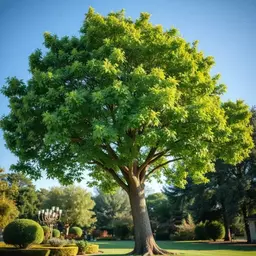
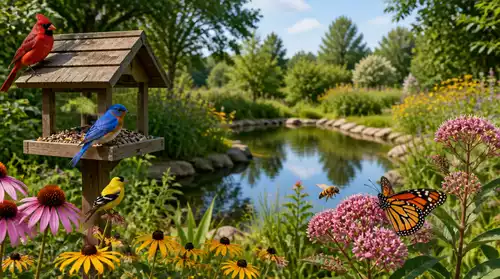
Have you ever thought about how your garden can be more than just a pretty space? Imagine stepping outside and witnessing a lively ecosystem right in your backyard, bustling with butterflies, birds, and other wildlife. Creating a wildlife-friendly landscape is not only a rewarding endeavor but also a vital commitment to preserving our natural world. Let's explore how you can make a significant impact!
What You Will Learn
- Understanding your ecological address helps tailor landscaping efforts to support local wildlife.
- Native plants are essential for a thriving ecosystem as they provide habitat, food, and require less maintenance.
- Biodiversity is crucial; incorporating habitat corridors increases wildlife movement and survival chances.
- Key steps to create a wildlife-friendly landscape include site analysis, selecting native plants, and implementing sustainable practices.
- Community involvement can enhance wildlife conservation; engage with local groups for support and inspiration.
- Foraging and naturescaping can enrich your garden while benefiting wildlife and connecting you more deeply with nature.
Key Steps in Creating a Wildlife-Friendly Landscape
Here’s a concise overview of the essential steps to establish a wildlife-friendly landscape that supports local ecosystems. If you're looking to build a sustainable landscape design, these principles will guide you.
1. Site Mapping and Analysis
Assess your outdoor space to understand its unique ecological conditions.
2. Selecting Native Plants
Choose plants that thrive in your region, which attract local wildlife.
3. Incorporating Essential Elements
Provide food, water, shelter, and nesting areas for wildlife.
4. Sustainable Maintenance Practices
Implement eco-friendly practices to sustain your landscape.
5. Adapting for Small Spaces
Utilize creative methods to accommodate wildlife in smaller areas.
6. Regular Evaluation and Adjustment
Continuously assess and modify your landscape to improve its ecological impact.
Understanding Wildlife-Friendly Landscapes and Their Importance
Creating a wildlife-friendly landscape is not just a trend; it's a commitment to enhancing our environment! At Timberline Garden, I’ve seen firsthand how a thoughtfully designed landscape can make a big difference for local wildlife. So, what exactly is a wildlife-friendly landscape? Let's dive into it!
Defining Your Ecological Address
Every outdoor space has its own unique ecological address, which refers to the specific conditions and characteristics of the area. Understanding this helps you tailor your landscaping efforts to support local wildlife. By recognizing your ecological address, you can find the right plants, habitats, and maintenance practices that will flourish in your environment. For more insights, explore native plants for sustainable landscapes.
What is a Wildlife-Friendly Landscape?
A wildlife-friendly landscape is designed to attract and support local wildlife, creating a thriving ecosystem right in your backyard! This type of landscape often includes native plants, food sources, and shelter for various species. Imagine stepping outside to see butterflies fluttering by, birds chirping, and maybe even a family of rabbits hopping around. How wonderful would that be?
The Role of Native Plants in Supporting Local Ecosystems
Native plants play a crucial role in maintaining ecological balance. They are adapted to the local environment and provide essential habitat and food for wildlife. By incorporating these plants into your garden, you're not only supporting local species but also promoting biodiversity. Here are a few reasons to choose native plants:
- They require less water and maintenance.
- They attract pollinators like bees and butterflies.
- They provide food and shelter for birds and small mammals.
Importance of Biodiversity and Habitat Corridors
Biodiversity is vital for a healthy ecosystem. It ensures that various species can thrive, which in turn helps maintain balance in nature. Incorporating habitat corridors—areas that connect different landscapes—allows wildlife to move safely between locations, increasing their chances of survival. These corridors can be as simple as a row of native shrubs or trees that link different areas of your yard!
By creating a wildlife-friendly landscape, you're taking important steps to preserve our natural world. It's a rewarding journey that not only enhances your property but also supports the creatures that share our environment. So, let’s embrace this adventure and make our landscapes more inviting for wildlife!
Quick Summary
Here's a brief recap of the key points discussed so far:
- Understanding your ecological address is essential for tailoring your landscaping efforts.
- Native plants are crucial for supporting local wildlife and maintaining biodiversity.
- Creating habitat corridors enhances wildlife connectivity and survival chances.
- Community involvement plays a vital role in promoting wildlife conservation.
Frequently Asked Questions About Wildlife-Friendly Landscaping
- What is an ecological address?
- Your ecological address refers to the specific environmental conditions and characteristics of your outdoor space, which helps determine the best plants and practices for local wildlife.
- Why are native plants important for a wildlife-friendly landscape?
- Native plants are crucial because they are adapted to the local climate and soil, providing essential food, shelter, and breeding grounds for native wildlife, and requiring less maintenance.
- What are habitat corridors?
- Habitat corridors are connected areas of natural habitat that allow wildlife to move safely between different landscapes, increasing their chances of survival and promoting biodiversity.
- How can I get involved in community wildlife conservation?
- You can get involved by joining local conservation groups, participating in community planting days, attending workshops, and sharing your knowledge with friends and family to inspire broader participation.
- What is the difference between foraging and naturescaping?
- Foraging involves identifying and gathering wild edible plants, while naturescaping is the practice of designing your garden to mimic natural ecosystems, integrating native plants and features that support wildlife.
Conclusion: Your Role in Creating a Wildlife-Friendly Landscape
As we wrap up our journey toward creating a wildlife-friendly landscape, let’s take a moment to reflect on the key steps and best practices that can help you make a significant impact. By carefully assessing your site, selecting native plants, and incorporating essential habitat components, you can create an inviting environment for local wildlife. Remember, this isn't just about beautifying your property; it's about fostering a healthy ecosystem right in your backyard!
A quick recap of the steps includes:
- Site mapping and analysis for effective design
- Selecting native plants that thrive in your region
- Incorporating food, water, shelter, and nesting areas
- Implementing sustainable maintenance practices
- Adapting your design for small spaces, if necessary
- Regularly evaluating and adjusting your landscape
Call to Action: Start Creating Your Wildlife Habitat Today
Now that you’re armed with all this useful information, why not take the first step toward creating your own wildlife habitat? The beauty of *Timberline Garden* is that we empower you to take action in your own unique way. Start small! You can begin by adding a few native plants to your garden or building a simple birdhouse. Every little effort counts and contributes to a larger ecological impact.
As you dive into this project, consider becoming involved with your community. Engaging with local wildlife organizations can provide you with resources, support, and inspiration. Here are some ways to get involved:
- Join local conservation groups focused on wildlife preservation
- Participate in community planting days
- Attend workshops and educational events
Encouraging Community Involvement in Local Wildlife Conservation
Community involvement is vital for successful wildlife conservation efforts. By sharing your experiences and knowledge with others, you can inspire them to join in this beautiful journey. Encourage friends and family to create their own wildlife-friendly spaces, and consider organizing neighborhood workshops to promote awareness and support.
When we come together, the effects can be transformative. Each garden becomes a small part of a larger movement dedicated to preserving our wildlife. Let’s unite in our efforts and make a positive change! And don't forget to share your progress on social media; the more we showcase our love for nature, the more others will be inspired! For more ideas on how to embrace native plants in landscaping, check out our guide.
Exploring Foraging and Naturescaping Opportunities
Lastly, let’s talk about *foraging* and *naturescaping*! These practices can be wonderful additions to your wildlife-friendly landscape. Foraging teaches us to appreciate the wild edibles around us while naturescaping allows you to design your garden in harmony with nature. Imagine stepping into your backyard and gathering fresh herbs or wildflowers that you've nurtured!
To get started, consider these ideas:
- Research local foraging guides to identify safe edible plants
- Incorporate native wildflowers into your naturescaping plans
- Learn about sustainable harvesting techniques
Recap of Key Points
Here is a quick recap of the important points discussed in the article:
- Understand your ecological address to tailor landscaping efforts for local wildlife.
- Incorporate native plants to support biodiversity and provide essential habitats.
- Create habitat corridors to facilitate safe wildlife movement between landscapes.
- Implement sustainable maintenance practices to ensure the health of your wildlife-friendly landscape.
- Engage in community efforts to promote wildlife conservation and share knowledge.
- Explore foraging and naturescaping to enhance your connection with nature and support local ecosystems.