Did you know that proper tree management can significantly enhance the safety and beauty of your landscape? Tree cabling and bracing are often overlooked techniques that can provide vital support to your trees, ensuring they withstand environmental challenges and thrive for years to come.
What You Will Learn
- The importance of tree cabling and bracing for maintaining tree health and longevity.
- Key indicators that your tree may need cabling or bracing, such as weak branches or leaning trunks.
- The vital role arborists play in assessing tree health and implementing appropriate support solutions.
- Essential factors to consider during a tree risk assessment, including species, location, and signs of disease.
- Major benefits of tree cabling and bracing, including increased safety, enhanced stability, and prolonged lifespan of trees.
- The importance of regular professional assessments to proactively manage tree health and avoid potential hazards.
- Resources available for further learning on tree cabling and bracing techniques and tree anatomy.
Key Benefits of Tree Cabling and Bracing
Understanding the advantages of tree cabling and bracing can greatly impact both safety and tree health. Below are the major benefits summarized in a visually engaging format.
Increased Safety
Significantly reduces the risk of limb failure and potential hazards.
Enhanced Stability
Improves tree stability during high winds and adverse weather conditions.
Prolonged Lifespan
Supports healthier growth and minimizes decay in trees, allowing them to thrive for years.
Protection of Valuable Trees
Preserves culturally or ecologically important trees through effective support methods.
Understanding Tree Cabling and Bracing: A Comprehensive Overview
When it comes to keeping our trees healthy and safe, tree cabling and bracing are essential techniques that many homeowners overlook. These methods are not just for trees that look weak or sick; they play a critical role in ensuring that our beloved trees can stand tall against various environmental challenges. By providing structural support, cabling and bracing help maintain a tree's health and longevity! To learn more about comprehensive tree care, explore professional tree care services explained.
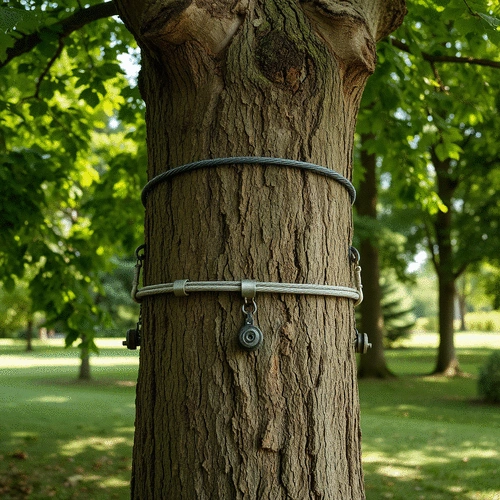
So, what exactly are these techniques? Tree cabling involves installing flexible cables between branches or between the trunk and branches to help stabilize them. On the other hand, tree bracing uses rigid rods or braces to provide direct support, particularly for trees with weak or split trunks. Understanding these two concepts is the first step toward effective tree management!
Defining Tree Cabling and Bracing Techniques
Tree cabling and bracing techniques are vital when a tree shows signs of structural weakness, such as leaning, splitting, or heavy limb stress. These methods can prevent severe damage during storms, protecting both the tree and your property. Implementing these solutions early can save you from costly repairs and enhance the beauty of your landscape. For more details on maintaining a vibrant outdoor space, consider building a sustainable landscape design.
It's essential to recognize the signs that indicate a tree might need these interventions. Some common reasons for applying cabling and bracing include:
- Forked or weak branches that risk breaking.
- Leaning trees that could fall during strong winds.
- Historical trees that need preservation due to their age and significance.
The Role of Arborists in Tree Cabling and Bracing
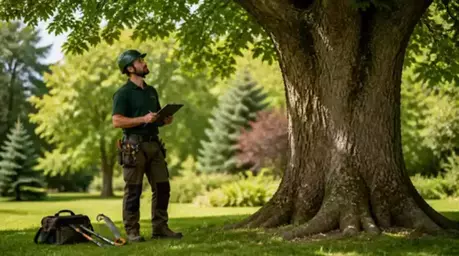
As a landscape and tree care expert with years of experience, I can tell you how crucial arborists are in this process. Not only do they assess the overall health of your trees, but they also determine the best cabling and bracing solutions tailored to each tree's unique needs. With a keen understanding of tree biology and mechanics, arborists can identify issues that might not be visible to the untrained eye.
When you consult with an arborist, they will typically conduct a thorough examination, including:
- Checking for signs of stress or decay in the trunk and branches.
- Evaluating the tree's growth patterns and overall structure.
- Identifying environmental influences that may affect stability.
Tree Risk Assessment: Evaluating Tree Health
Conducting a tree risk assessment is an essential step in determining whether cabling and bracing are necessary for your trees. This process involves a careful evaluation of the tree's health and structural integrity to identify potential hazards. A thorough assessment can reveal problems like decay, damage from pests, or improper growth, which could lead to catastrophic failures if left unaddressed! For tips on maintaining tree health in urban environments, check out urban tree care tips.
During a risk assessment, consider the following factors:
- Tree species and their typical growth habits.
- Location and proximity to structures and people.
- Signs of disease or previous damage.
By investing time in evaluating your trees, you can make informed decisions that promote a safer and healthier landscape. Remember, the sooner you address potential issues, the better off your trees and property will be in the long run!
Quick Summary
Here's a brief recap of the key points discussed so far:
- Tree cabling and bracing are essential techniques for maintaining tree health and stability.
- These methods provide support to trees showing signs of structural weakness, helping to prevent damage during storms.
- Consulting a qualified arborist ensures that the right cabling and bracing solutions are applied based on individual tree needs.
- Conducting a tree risk assessment is crucial for evaluating the health and potential hazards associated with your trees.
Frequently Asked Questions About Tree Cabling and Bracing
- What is tree cabling?
- Tree cabling involves installing flexible cables between branches or between the trunk and branches to provide stability and support, especially for trees with weak points.
- What is tree bracing?
- Tree bracing uses rigid rods or braces to offer direct support, typically for trees with weak or split trunks, preventing further damage and ensuring structural integrity.
- How do I know if my tree needs cabling or bracing?
- Look for signs such as weak or forked branches, leaning trunks, large cracks or splits, or heavy limb stress. A professional arborist can provide a definitive assessment.
- What is the role of an arborist in this process?
- Arborists assess the tree's overall health, identify structural weaknesses, and determine the most appropriate cabling and bracing solutions tailored to the tree's specific needs.
- What are the main benefits of tree cabling and bracing?
- The main benefits include increased safety by reducing limb failure risk, enhanced stability during adverse weather, prolonged tree lifespan, and protection of valuable or historical trees.
Summarizing the Advantages of Tree Cabling and Bracing
As we wrap up our exploration of tree cabling and bracing, it's clear that these techniques offer a wealth of benefits for both safety and tree health. By preventing limb failure, they protect your property from potential damage during storms while also extending the lifespan of your trees. With the right approach, like the methods I advocate at Timberline Garden, you can ensure your outdoor spaces remain beautiful and secure.
The key advantages of these practices truly shine when you think about the long-term effects. Healthy trees not only enhance your landscape but also contribute positively to the environment. By investing in cabling and bracing, you're taking a proactive step towards maintaining the beauty and integrity of your property!
Recap of Key Benefits for Safety and Tree Health
To summarize, here are the major benefits of implementing cabling and bracing in your tree care routine:
- Increased Safety: Significantly reduces the risk of limb failure and potential hazards.
- Enhanced Stability: Improves tree stability during high winds and adverse weather conditions.
- Prolonged Lifespan: Supports healthier growth and minimizes decay in trees, allowing them to thrive for years.
- Protection of Valuable Trees: Preserves culturally or ecologically important trees through effective support methods.
In essence, cabling and bracing are not just quick fixes; they are integral components of responsible tree management that can have lasting benefits!
Encouraging Responsible Tree Management Practices
As passionate advocates for sustainable landscaping, we at Timberline Garden encourage you to view cabling and bracing as essential tools in your tree care arsenal. These practices are vital, especially if you have older or structurally compromised trees on your property. Remember, proactive measures can prevent major issues down the line!
Taking responsibility for your trees means being vigilant about their health. Regular assessments, like those offered by professional arborists, can help you make informed decisions about when to implement cabling and bracing techniques. Let’s keep our trees healthy and our landscapes beautiful!
Taking Action: Consultation and Next Steps
Encouraging Professional Assessments
Now that you understand the significant benefits of tree cabling and bracing, it’s time to take action! I highly recommend scheduling a professional assessment with a certified arborist to evaluate your trees' health and structural needs. They can provide tailored advice based on the specific requirements of each tree, ensuring you make the best decisions for your landscape. For guidance on selecting the right experts, read about choosing a tree removal service, which also covers aspects of tree care consultation.
Don’t wait until it’s too late—reach out and get a professional's insight! Taking this step not only assures your safety but also promotes the long-term well-being of your trees.
Resources for Further Learning and Engagement
If you're eager to learn more about tree cabling and bracing, there are plenty of resources available! Consider checking out the following:
- Online articles and guides from reputable tree care organizations.
- Videos demonstrating proper cabling and bracing techniques.
- Case studies showcasing successful projects and outcomes.
These resources can deepen your understanding and help you make informed choices about your trees' care.
Understanding Tree Anatomy and Canopy Management
Finally, let’s touch on a foundational aspect that plays a crucial role in effective cabling and bracing: tree anatomy. Understanding how trees grow and their natural structure can help you appreciate the importance of proper support methods. For instance, knowing the significance of a tree’s canopy allows you to manage its growth effectively, which in turn can reduce the need for intervention later on. For more details on managing your landscape, including tree health, explore native plants for sustainable landscapes.
By taking the time to learn about tree anatomy, you empower yourself to make better decisions that promote tree health. Whether you’re caring for a single tree or an entire landscape, having this knowledge at your fingertips is invaluable!
Recap of Key Points
Here is a quick recap of the important points discussed in the article:
- Understanding Cabling and Bracing: These techniques provide structural support to trees, helping them withstand environmental challenges.
- Signs for Intervention: Look for weak branches, leaning trees, or historical trees that may need cabling and bracing.
- Role of Arborists: Professional arborists assess tree health and recommend tailored cabling and bracing solutions.
- Tree Risk Assessment: Conducting thorough evaluations helps identify potential hazards and health issues in trees.
- Benefits of Cabling and Bracing: These practices enhance safety, stability, and longevity of trees, protecting both the trees and surrounding property.
- Encouragement for Regular Assessments: Schedule professional evaluations to maintain tree health and prevent major issues.