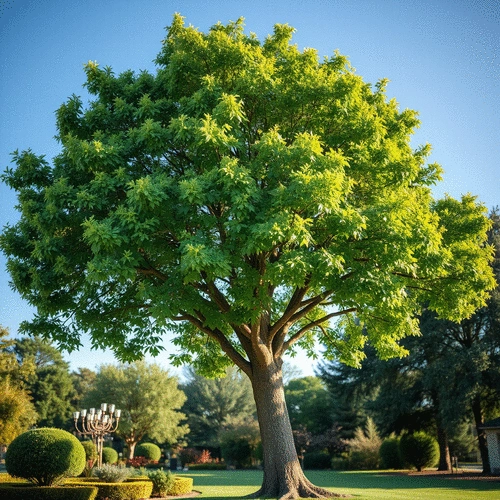
Did you know that recognizing the signs of tree distress can significantly enhance the health and beauty of your outdoor space? Understanding how to evaluate tree health is essential for anyone looking to maintain a thriving landscape. Here’s what you can learn about the key indicators and steps to ensure your trees remain vibrant and strong.
What You Will Learn
- Key indicators of tree health include leaf discoloration, branch dieback, and bark abnormalities.
- A systematic visual inspection methodology helps assess tree health from roots to canopy.
- Regular evaluations can help catch problems early, ensuring trees remain healthy and vibrant.
- Specific symptoms can indicate underlying issues, such as pests or nutrient deficiencies, which require timely intervention.
- Utilizing resources from professionals, like ISA Certified Arborists, can enhance your tree care practices.
- Implementing seasonal maintenance is vital for sustaining tree health throughout the year.
Key Indicators for Tree Health Monitoring
Understanding the primary signs of tree health can help in timely interventions. Regularly monitoring your trees can prevent minor issues from becoming major problems, much like understanding the basics of sustainable tree care for homeowners. Below, we outline the indicators along with their implications.
Leaf Discoloration
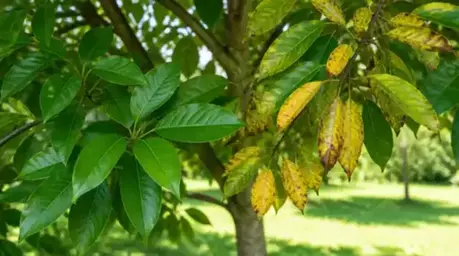
Yellowing leaves or browning tips often signal nutrient deficiencies or water stress.
Branch Dieback
Dead branches or a lack of new growth indicates that your tree may be struggling.
Bark Abnormalities
Cracks, peeling, or cankers on the bark can reveal deeper issues related to pests or disease.
Inspection Steps
- Roots: Check for exposed roots or soil erosion.
- Trunk: Look for signs of damage or decay.
- Branches: Identify any broken or dead branches.
- Leaves: Observe overall density and color.
Understanding Tree Health: Key Indicators to Monitor
Every tree has a story to tell about its health, and as a landscape and tree care expert at Timberline Garden, I’m here to help you interpret those signs! Monitoring tree health is crucial to ensure they thrive and enhance the beauty of your outdoor space. By understanding the key indicators of tree health, you can make informed decisions about their care and maintenance.
Recognizing Unhealthy Tree Indicators
When it comes to recognizing unhealthy trees, there are several primary signs you should keep an eye out for. Leaf discoloration, branch dieback, and bark abnormalities can all indicate that something is wrong. Let’s break them down further!
- Leaf Discoloration: Yellowing leaves or browning tips often signal nutrient deficiencies or water stress.
- Branch Dieback: If you notice dead branches or a lack of new growth, it's a sign your tree may be struggling.
- Bark Abnormalities: Cracks, peeling, or cankers on the bark can reveal deeper issues related to pests or disease.
Taking the time to observe these signs can help you catch problems early. Remember, a healthy tree is a happy tree, and keeping an eye on their condition helps ensure they continue to thrive! For more detailed information on common issues, you might find our guide on identifying and treating tree diseases helpful.
Visual Inspection Methodology: Systematic Evaluation
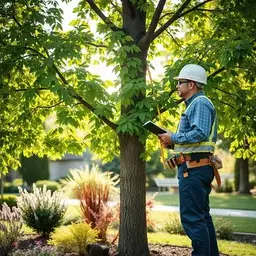
Performing a thorough visual inspection of your trees is essential, and it's quite simple! Start from the roots and work your way up to the canopy, assessing each part of the tree. This systematic approach will help you spot any issues.
- Roots: Check for exposed roots or soil erosion around the base.
- Trunk: Look for signs of damage or decay, such as holes or excessive sap.
- Branches: Identify any broken or dead branches that need trimming.
- Leaves: Observe the overall density and color of the leaves.
By following this method, you can create a comprehensive picture of your tree's health. Don’t hesitate to reach out to us at Timberline Garden if you need guidance or professional assistance!
Identifying Specific Symptoms and Their Implications
Each symptom serves as a clue to understanding your tree's health and potential problems. In the next sections, we’ll delve deeper into specific indicators and what they might mean for your beloved trees. Stay tuned for essential insights that can empower you to keep your outdoor spaces flourishing!
Quick Summary
Here's a brief recap of the key points discussed so far:
- Recognizing Unhealthy Indicators: Look out for leaf discoloration, branch dieback, and bark abnormalities.
- Systematic Evaluation: Perform visual inspections from roots to canopy for a thorough assessment.
- Taking Action: Regular evaluations and seeking professional advice are crucial for tree health maintenance.
Summary of Tree Health Evaluation Insights
As we wrap up our exploration of tree health, it's crucial to remember the signs that indicate a tree may be in distress. By recognizing these indicators—like leaf discoloration, abnormal bark, and signs of pests—you can take proactive steps to safeguard your trees. Regular evaluations, combined with the insights we've discussed, empower you to create a thriving environment for your outdoor spaces. This proactive approach is key to maintaining a beautiful yard, similar to the principles behind year-round garden landscaping tips.
Moreover, understanding how to assess your trees from roots to canopy provides you with the tools you need for effective monitoring. Each tree species may have unique requirements, but the fundamental principles of tree health remain the same. Always keep an eye out for changes and act swiftly to address any potential issues!
Frequently Asked Questions About Tree Health
Here are some common questions about identifying and addressing tree health concerns:
- What are the most common signs of an unhealthy tree?
The most common signs include leaf discoloration (yellowing or browning), branch dieback (dead branches or lack of new growth), and bark abnormalities (cracks, peeling, or cankers). - How often should I inspect my trees for health issues?
Regular visual inspections, ideally seasonally, are recommended. This helps you catch problems early and address them promptly. - What should I do if I notice leaf discoloration?
Leaf discoloration can indicate nutrient deficiencies or water stress. Assess your watering schedule and consider a soil test to determine if specific nutrients are lacking. - When should I call a professional arborist?
You should call an ISA Certified Arborist for any serious concerns, such as significant branch dieback, major bark damage, or if you suspect a serious pest infestation or disease. - Can environmental factors affect tree health?
Yes, environmental factors like drought, extreme temperatures, poor soil quality, and pollution can significantly impact tree health.
Taking Action for Tree Care: Your Next Steps
Now that you're equipped with knowledge about tree health evaluation, it's time to put that knowledge into action! Homeowners and property managers should utilize the resources available through Timberline Garden to ensure that their trees receive the care they deserve. Whether you're just starting your tree care journey or you're a seasoned pro, remember that seeking professional evaluation is vital for any serious concerns you encounter.
- Conduct regular visual inspections of your trees.
- Keep a checklist of symptoms and what they might mean.
- Don’t hesitate to call an ISA Certified Arborist for expert advice.
- Implement seasonal maintenance practices to keep your trees healthy.
Tree care is an ongoing commitment, much like nurturing a garden. With the right approach, you can ensure that your trees flourish for years to come! Your outdoor space is an extension of your home, and investing in its health not only enhances its beauty but also contributes to the environment. Let’s continue to celebrate and care for our trees together, creating vibrant, sustainable landscapes for everyone to enjoy!
Recap of Key Points
Here is a quick recap of the important points discussed in the article:
- Recognizing Unhealthy Tree Indicators: Look for leaf discoloration, branch dieback, and bark abnormalities to identify tree health issues.
- Visual Inspection Methodology: Systematically evaluate trees from roots to canopy, checking for signs of damage and overall health.
- Specific Symptoms and Their Implications: Understand that each symptom can indicate various underlying issues, and early detection is key.
- Regular Evaluations: Conduct frequent inspections and maintain a checklist of symptoms to proactively manage tree health.
- Seek Professional Guidance: Don’t hesitate to contact an ISA Certified Arborist for expert advice and assistance, especially for tasks like choosing a tree removal service if necessary.