Creating a DIY rain garden is more than just an environmentally-friendly project; it's a proactive approach to enhancing your property's value while contributing to local ecology. What if your backyard could transform into a sustainable oasis that combats flooding and supports wildlife? By understanding the essentials of rain gardens, you can embark on a rewarding journey that benefits both you and the environment.
What You Will Learn
- Rain gardens effectively reduce stormwater runoff, helping to manage excess rainwater in your yard.
- They filter out pollutants from rainwater before it reaches local waterways, promoting cleaner ecosystems.
- Installing a rain garden can save you money on water bills by allowing you to capture and reuse rainwater for irrigation.
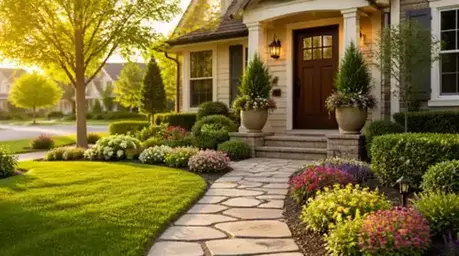
- A well-designed rain garden enhances curb appeal and can increase your property’s market value, appealing to eco-conscious buyers.
- Regular maintenance tasks include weeding, watering, and inspecting drainage to ensure optimal garden performance.
- Engaging with local community programs can provide valuable resources, support, and inspiration for your rain garden project.
- Understanding local regulations and permits is crucial for successful rain garden installation and compliance with environmental policies.
- Integrating sustainable practices, such as using native plants and composting, can enhance the garden's ecological benefits.
Key Benefits of DIY Rain Gardens
Understanding the advantages that DIY rain gardens bring to homeowners and the environment can guide you toward better stormwater management and landscaping choices. For more insights on creating a harmonious outdoor space, consider building a sustainable landscape design. Below, you’ll find a concise comparison of these benefits.
Water Management
Reduces stormwater runoff, preventing flooding in your yard and local waterways.
Pollution Filtering
Filters pollutants from rainwater, improving water quality before it reaches local rivers and lakes.
Wildlife Habitat
Provides a habitat for local wildlife, enhancing biodiversity in your garden.
Aesthetic Appeal
Enhances the beauty of your landscape, making your yard a more inviting place.
Understanding the Importance of DIY Rain Gardens for Stormwater Management
Creating a DIY rain garden is not just a trendy gardening project; it's a vital step toward effective stormwater management! These gardens are designed to capture and filter rainwater runoff, which helps reduce flooding and protect our waterways. Have you ever noticed how heavy rains can create puddles or even minor flooding in your yard? By implementing a rain garden, you can help manage that excess water right in your own backyard!
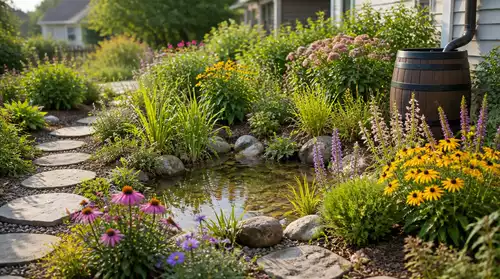
So, what exactly is a rain garden? It's a shallow, landscaped depression that allows rainwater to collect and slowly seep into the ground. Rain gardens are typically filled with native plants that thrive in wet conditions, making them both functional and beautiful. Imagine transforming a simple area of your yard into a lush, vibrant space that not only delights the eyes but also plays a crucial role in protecting the environment!
What is a Rain Garden and How Does It Work?
A rain garden is specially designed to manage rainwater runoff from roofs, driveways, and sidewalks. They work by capturing the water in a garden bed that is lower than the surrounding landscape. As the rainwater collects, it filters through the soil and is absorbed by the plants, allowing for natural purification. This process effectively reduces the volume of stormwater that flows into storm drains and local waterways, which can often become overwhelmed during heavy rains.
Not only do rain gardens help prevent flooding, but they also filter out pollutants before the water reaches our rivers and lakes. By including a variety of native plants for sustainable landscapes, you're helping to create a habitat for local wildlife, including birds, butterflies, and beneficial insects. So, you can feel good knowing that you're contributing to biodiversity while enhancing your outdoor space!
- Reduces stormwater runoff
- Filters pollutants
- Provides habitat for wildlife
- Enhances the beauty of your landscape
The Benefits of DIY Rain Garden Installation for Homeowners
Installing a DIY rain garden offers numerous benefits that go beyond just aesthetic appeal. First and foremost, it can lead to significant cost savings on your water bill! By capturing and reusing rainwater, you can reduce your reliance on municipal water sources for garden irrigation. Plus, it's a great way to contribute to sustainable practices right from your home.
Moreover, rain gardens can increase your property's value. Homebuyers are increasingly interested in properties that demonstrate eco-friendly features, and a well-designed rain garden can make your home stand out. It shows potential buyers that you care about the environment and are proactive in managing your outdoor space!
- Cost-effective water management
- Increased property value
- Enhanced curb appeal
- Opportunity for community engagement
At Timberline Garden, we believe that everyone can create a beautiful garden that benefits both themselves and the environment. Whether you're a seasoned gardener or just getting started, a DIY rain garden can be a rewarding project that brings joy and sustainability to your home!
We Want to Hear From You!
What aspect of creating a DIY rain garden excites you the most? Is it the environmental benefits, the aesthetic appeal, or perhaps the opportunity to engage with your community? Share your thoughts below:
Frequently Asked Questions About DIY Rain Gardens
- What are the primary benefits of a DIY rain garden?
- DIY rain gardens primarily help reduce stormwater runoff, filter pollutants from rainwater, create habitats for local wildlife, and enhance the aesthetic appeal of your property. They also contribute to cost savings on water bills.
- How does a rain garden help with stormwater management?
- A rain garden is a shallow, landscaped depression that captures rainwater from impervious surfaces like roofs and driveways. The water then slowly seeps into the ground, reducing the volume of water flowing into storm drains and preventing localized flooding.
- What kind of plants are best for a rain garden?
- Native plants are ideal for rain gardens because they are adapted to the local climate and soil conditions, thriving in both wet and dry periods. They also require less maintenance and provide better habitat for local wildlife.
- Can a rain garden increase my property value?
- Yes, a well-designed rain garden can increase your property's value. Eco-friendly features are increasingly attractive to homebuyers, and a rain garden demonstrates a commitment to environmental stewardship and effective outdoor space management.
- What kind of maintenance does a rain garden require?
- Regular maintenance includes weeding to prevent competition for nutrients, watering during dry spells (especially in the first few years), inspecting the drainage system, and monitoring plant health. Consistent care ensures the garden remains beautiful and functional.
- Are there any local regulations or permits needed for installing a rain garden?
- It's important to check with your local municipal office for any specific requirements, permits, or regulations regarding landscaping and stormwater management before starting your project. This ensures compliance with local standards.
Summarizing Key Takeaways for Successful Rain Garden Installation
Creating a DIY rain garden can be a rewarding project that not only beautifies your yard but also plays a crucial role in managing stormwater. By understanding the essentials, like site assessment and choosing the right plants, you can set yourself up for success. Remember, a well-planned rain garden contributes significantly to environmental health, helps reduce flooding, and supports local wildlife!
As you embark on this journey, it’s vital to recognize that maintaining your rain garden is an ongoing commitment. Regular care, including watering during dry spells and inspecting for any issues, ensures that your garden thrives. Plus, staying informed about the performance metrics of your garden can help you gauge its effectiveness over time!
Understanding the Ongoing Commitment to Maintenance and Care
Just like any garden, a rain garden requires dedication to keep it flourishing! Here are some key maintenance tasks that should be part of your routine:
- Check for weeds and remove them to prevent competition for nutrients.
- Water your plants during dry spells, especially in the first couple of years.
- Inspect the drainage system to ensure water flows freely.
- Monitor the health of your plants, replacing any that may not thrive.
It’s essential to remember that, as the seasons change, your garden may need different types of care. Consistent attention will not only enhance its beauty but also boost its functionality in managing stormwater effectively!
Engaging with Local Resources and Regulations
Getting involved with your community can significantly enhance your rain garden project! Local resources can provide invaluable support, from educational workshops to connections with experienced gardeners. Timberline Garden is here to help you navigate these opportunities while ensuring you stay informed about relevant regulations.
Connecting with Community Programs for Rain Gardens
Many cities and towns offer programs that encourage the creation of rain gardens. Here are some ways to connect:
- Participate in local workshops on sustainable gardening.
- Join community garden initiatives that promote stormwater management.
- Network with local gardening clubs that focus on rain gardens.
Engaging with these resources not only helps you learn more but also fosters a sense of community in your gardening efforts. Sharing your experiences can inspire others and build valuable connections! For more inspiration on community and garden initiatives, explore our guide to pollinator gardens for local biodiversity.
Understanding Local Permits and Stormwater Regulations
Before starting your project, it’s wise to check if you need permits or to be aware of local stormwater management regulations. Here’s what to keep in mind:
- Research local laws regarding landscaping and stormwater management.
- Contact your municipal office for specific requirements regarding rain gardens.
- Understand any restrictions related to your property type or location.
Staying informed about these regulations not only helps avoid potential issues but also ensures you create a rain garden that complies with local standards!
Exploring Local Government Regulations and Environmental Policies
Local governments often have resources that promote eco-friendly practices, including rain garden implementation. Here are a few actions you can take:
- Attend local government meetings to learn about environmental initiatives.
- Check online for available grants or funding for stormwater projects.
- Stay updated on changing environmental policies that may affect your garden.
By being proactive, you can take full advantage of opportunities that support your garden's success and foster a healthier environment.
Encouragement to Start Your DIY Rain Garden Journey
Are you excited about starting your rain garden journey? It’s a great way to make a positive impact on your local ecosystem while beautifying your space! Remember, at Timberline Garden, we believe in sharing knowledge and experiences to help you succeed.
Joining Online Communities for Support and Inspiration
Online communities can be a great source of motivation and guidance as you embark on your rain garden project. Here’s how you can engage:
- Join social media groups focused on gardening and rain gardens.
- Participate in forums where you can ask questions and share insights.
- Follow blogs and websites dedicated to sustainable gardening for tips and inspiration.
Connecting with like-minded individuals can provide both support and encouragement, making your journey even more enjoyable!
Next Steps: Planning Your Rain Garden Installation
Now that you’re equipped with knowledge and resources, it’s time to start planning your rain garden installation. For effective planning, consider our tips for designing a water-efficient garden.
- Choose a suitable location based on previous assessments.
- Draft a design that incorporates native plants and captures stormwater effectively.
- Gather your materials and tools and set a timeline for installation.
Taking these steps will not only streamline the process but also ensure that your rain garden is a success from the outset!
Integrating Sustainable Practices in Your Garden Design
Finally, think about how you can incorporate sustainable practices into your rain garden design. Consider these ideas:
- Use native plants that require less water and maintenance.
- Implement composting and organic gardening techniques.
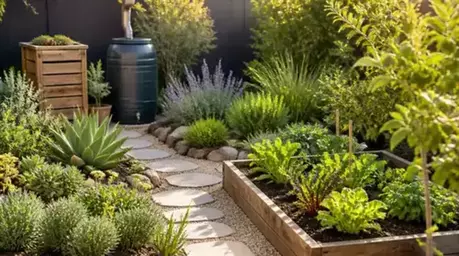
- Collect rainwater for irrigation to promote resource conservation.
By weaving sustainability into your garden, you’ll not only enhance its beauty but also contribute positively to the environment. Let’s get started on this amazing journey together! Your rain garden awaits!
Recap of Key Points
Here is a quick recap of the important points discussed in the article:
- DIY rain gardens effectively manage stormwater runoff, reducing flooding and protecting waterways.
- Utilizing native plants in rain gardens enhances biodiversity while filtering pollutants from rainwater.
- Rain gardens can lead to cost savings on water bills and increase property value through eco-friendly enhancements.
- Regular maintenance, including weeding and watering, is essential for the health and effectiveness of your rain garden.
- Engaging with local resources and understanding regulations can support your rain garden project and ensure compliance.
- Online communities offer valuable support and inspiration as you embark on your rain garden journey.
- Integrating sustainable practices, such as using native plants and collecting rainwater, contributes positively to the environment.