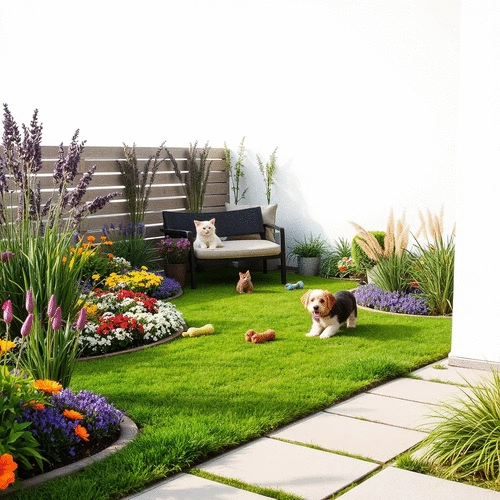
Did you know that nearly 70% of U.S. households own pets, making pet-friendly spaces more important than ever? Creating a garden that accommodates your furry friends while remaining beautiful and functional can enhance your outdoor experience. In this article, we explore essential tips to help you design an inviting and safe garden for your pets.
What You Will Learn
- The importance of understanding your pet's unique behaviors and preferences to tailor your garden for their enjoyment.
- How to identify safe zones and hazardous areas in your garden to create a secure environment for your pets.
- A list of non-toxic plants that are safe for both dogs and cats, ensuring a vibrant and healthy garden.
- The benefits of incorporating durable ground covers and architectural plants that can withstand active pets.
- Essential tips for designing designated play areas and rest spots that cater to your pets' needs.
- How to implement natural pest control and choose safe compost and mulch options for a pet-friendly garden.
Key Takeaways for Designing a Pet-Friendly Garden
Understanding the essential elements for creating a safe and enjoyable outdoor space for your pets is crucial. For further insights into sustainable gardening, consider exploring native plants for sustainable landscapes, which can also contribute to a healthier environment for your pets.
Research Non-Toxic Plants
Choose plants that are safe for pets to ensure they can explore without risk.
Designate Play Zones
Create specific areas where pets can play freely and burn off energy.
Create Rest Areas
Incorporate comfortable spaces for your pets to relax and unwind.
Navigation Paths
Design easy pathways for exploration to keep your pets engaged.
Creating a Safe and Inviting Pet-Friendly Garden
When it comes to designing a pet-friendly garden, safety and enjoyment for our furry friends are top priorities! Creating a space that caters to their needs while also being visually appealing is quite the delightful task. Let’s dive into how we can build a garden that both pets and their owners will love!
Understanding the Needs of Your Pets in Outdoor Spaces
Every pet is unique, and their needs can vary widely. Understanding your pet’s behavior is key to creating an inviting outdoor area. Do they love to dig, chase, or simply lounge in the sun? Observing these preferences allows us to tailor our garden to ensure they feel right at home! For tips on maintaining a healthy lawn that your pets can enjoy, read about organic tips for lawn health.
Assessing Your Pet's Behavior and Preferences
Start by taking some time to watch how your pets interact with their environment. Are they more playful or more relaxed? Here are some questions to consider:
- Does your dog enjoy running and playing fetch?
- Does your cat prefer climbing and exploring?
- How much time do they spend outdoors each day?
By assessing your pet's behavior, you can establish what features will make them happiest in your garden. You want a space that feels safe yet stimulating!
Identifying Safe Zones and Dangerous Areas
Next, it’s essential to pinpoint both safe zones and areas that might pose risks. Creating boundaries helps protect our pets while they explore. Consider the following:
- Keep hazardous materials like fertilizers and chemicals out of reach.
- Designate a secure area for your pets to play freely.
- Monitor places where they could escape or get into trouble, like near busy roads.
Creating a secure, safe environment not only gives you peace of mind but also allows your pets to enjoy their outdoor space without worry!
Choosing the Right Plants for a Pet-Safe Garden
The choice of plants significantly impacts the overall safety of your garden. At Timberline Garden, we believe in cultivating a lush environment that’s both beautiful and pet-friendly. Selecting non-toxic plants helps ensure that your pets can play and roam without risk. For more information on plant selection, check out native plants for sustainable landscapes.
Non-Toxic Plant Options for Dogs and Cats
When choosing plants, it’s crucial to opt for non-toxic varieties. Here are some great options:
- Marigolds
- Snapdragons
- Sunflowers
- Petunias
These plants are not only safe but can also add vibrant colors to your garden. It’s a win-win for you and your pets!
Durable Ground Covers for Active Pets
If your pets love to run and play, consider ground cover plants that can withstand some wear and tear. Some solid choices include:
- Thyme
- Clover
- Fescue grasses
These options provide durability while offering a soft surface for your pets to enjoy. Plus, they can add a touch of greenery that complements your overall landscape!
Architectural Plants That Are Safe for Pets
Incorporating architectural plants can elevate your garden's design. Here are some that are safe for pets:
- Bamboo
- Spider plants
- Rubber plants
These plants not only look great but can also serve as interesting focal points in your garden. Your pets will appreciate the shade and comfort they provide!
Pet-Friendly Plants and Their Benefits
Choosing plants with specific benefits can enhance your garden's ecosystem. For example, plants like catnip can offer stimulation for cats, while certain grasses can help dogs feel comfortable and secure. Incorporating these plants can create a more enjoyable environment for your pets!
Cat-Safe Flowers and Dog-Friendly Garden Ideas
To cater to both cats and dogs, consider flowers that are safe for both species. A few delightful options are:
- Petunias
- Snapdragons
- Begonias
These flowers can add beauty and color to your garden without compromising your pets’ safety. It's all about creating a balance!
Non-Toxic Herbs for Your Pet-Friendly Garden
Adding herbs to your garden can be beneficial for both you and your pets. Some non-toxic options include:
- Basil
- Parsley
- Mint
These herbs can be used in your cooking while also being beneficial for your pets. Plus, they can create a lovely aroma throughout your garden!
Pro Tip
Did you know? Incorporating a water feature, such as a small fountain or pond, can enhance your pet-friendly garden! Not only does it provide a refreshing spot for your pets to cool off, but the sound of flowing water can also attract birds and beneficial insects, creating a vibrant ecosystem that enriches your garden experience.
Frequently Asked Questions About Pet-Friendly Gardens
- What percentage of U.S. households own pets?
- Nearly 70% of U.S. households own pets, making pet-friendly spaces increasingly important.
- How can I identify my pet's preferences for outdoor spaces?
- Observe how your pets interact with their environment. Do they enjoy digging, chasing, or lounging? Tailor your garden to these behaviors.
- Which plants are generally safe for both dogs and cats?
- Non-toxic options include marigolds, snapdragons, sunflowers, and petunias. Always double-check any new plants you consider.
- What are good ground cover options for active pets?
- Thyme, clover, and fescue grasses are durable choices that can withstand wear and tear from active pets.
- How can I ensure my compost is safe for pets?
- Avoid using meat or dairy scraps in your compost. Stick to fruits, vegetables, and plant material to keep your pets safe.
- What natural pest control methods are safe for a pet-friendly garden?
- Consider using neem oil or introducing beneficial insects like ladybugs to manage pests without harming your pets.
Summarizing the Essentials of Designing a Pet-Friendly Garden
Designing a pet-friendly garden is not just about aesthetics; it’s about creating a safe haven for your furry friends! At Timberline Garden, I believe that every pet deserves a space where they can play, relax, and explore while ensuring their safety. Let’s go over some key takeaways that will help you create an inviting and secure outdoor environment for your beloved pets.
First and foremost, it’s crucial to conduct thorough research on pet-safe plants. Many common garden plants can be toxic to pets, which is why I always recommend being vigilant when selecting flora for your garden. By choosing non-toxic options, you can create a vibrant garden without compromising your pets’ health.
Key Takeaways for Pet-Safe Landscaping
When it comes to landscaping for pets, understanding their specific needs is essential. Different pets have different behaviors and preferences, which means you should create spaces that cater to those unique needs. For instance, dogs may require areas for play and exercise, while cats might appreciate sunny spots to lounge in. Here’s a handy list to guide your planning:
- Research and select non-toxic plants.
- Designate specific play zones for energy release.
- Incorporate rest areas for relaxation.
- Create easy navigation paths for exploration.
Additionally, understanding plant toxicity in your garden is vital. Familiarize yourself with which plants can be harmful so you can avoid them while cultivating a safe space for your pets. I often encourage pet owners to keep a reference list of plants to steer clear of, ensuring they can enjoy their gardens without worry! For effective strategies, consider exploring eco-friendly pest control tips.
Engagement and Next Steps for Your Pet-Friendly Garden
Now that you’re equipped with vital knowledge about creating a pet-friendly garden, it’s time to get involved! At Timberline Garden, we love hearing from fellow pet owners about their gardening experiences. Your feedback and shared stories can inspire others, so don’t hesitate to reach out and share your journey!
For those eager to learn more about pet-safe gardening, there are plenty of resources available. Here are some excellent places to start:
- Local gardening clubs or workshops.
- Online forums dedicated to pet-friendly landscaping.
- Books on sustainable gardening practices.
- Blogs and articles highlighting pet-safe gardening techniques.
Answering Common Questions About Pet-Friendly Gardens
As you explore the idea of a pet-friendly garden, you may have some questions. Understanding the basics can make a huge difference in your gardening efforts. Let’s tackle some of the most common inquiries:
What Plants Are Safe for Dogs and Cats?
Many plants are safe for your furry friends, including herbs like basil and rosemary, and flowers such as marigolds and sunflowers! Always double-check for any new plants you consider adding.
How to Create Compost that is Safe for Pets?
To ensure your compost is pet-friendly, avoid using any meat or dairy scraps. Stick to fruits, veggies, and plant material. This way, you can keep your pets safe while enriching your garden!
What are the Best Mulch Types for Pet Safety?
Choosing the right mulch is essential. Opt for options like cedar or pine mulch, as they are less likely to harm your pets compared to cocoa mulch, which can be toxic. To learn more about the benefits of different mulches, see our guide on mulch for sustainable gardens.
How to Implement Natural Pest Control in Your Garden?
Natural pest control methods can keep your garden healthy without risking your pets. Consider using neem oil or introducing beneficial insects like ladybugs to manage pests safely!
Creating a pet-friendly garden takes time and thought, but the joy it brings to you and your pets is worth every effort. Remember, at Timberline Garden, we’re here to support you on this exciting journey, helping you cultivate a thriving, safe, and beautiful outdoor space for everyone!
Recap of Key Points
Here is a quick recap of the important points discussed in the article:
- Understand your pets' behaviors and preferences to create a garden that caters to their needs.
- Identify safe zones and dangerous areas in your garden to ensure your pets' safety.
- Choose non-toxic plants and flowers that are safe for both dogs and cats.
- Incorporate durable ground covers and architectural plants that can withstand pet activity.
- Designate specific play zones, rest areas, and easy navigation paths for exploration.
- Familiarize yourself with plant toxicity to avoid harmful flora in your garden.
- Engage with local gardening communities and resources for further learning on pet-safe gardening.