In a world increasingly concerned about environmental health, the way we design and maintain our outdoor spaces can significantly influence both our local ecosystems and broader environmental challenges. What if each garden could serve as a sanctuary for wildlife, a carbon sink, and a source of beauty all at once? This article will guide you through the essentials of sustainable landscape maintenance, empowering you to make eco-friendly choices that enrich both your environment and your community.
What You Will Learn
- Understanding Sustainable Landscaping: Grasp the core principles of sustainable landscaping, which include conserving resources, enhancing biodiversity, and improving soil health.
- Components of a Maintenance Plan: Discover key elements of a sustainable landscape maintenance plan, such as effective water management, native plant selection, and soil care techniques.
- Eco-Friendly Practices: Learn about various eco-friendly practices, including organic fertilizers, composting, and integrated pest management that can reduce your environmental impact.
- Reducing Carbon Footprint: Explore strategies for reducing carbon emissions through landscaping, such as planting trees, limiting lawn areas, and using renewable resources.
- Enhancing Biodiversity: Understand how to enhance biodiversity in your landscape by incorporating native plants and creating diverse habitats for local wildlife.
- Implementing Actionable Workflows: Get tips for structuring an implementation workflow, including assigning roles, setting deadlines, and maintaining open communication.
- Utilizing Resources: Access templates, checklists, and professional services to streamline your sustainable landscaping efforts effectively.
Key Elements of a Sustainable Landscape Maintenance Plan
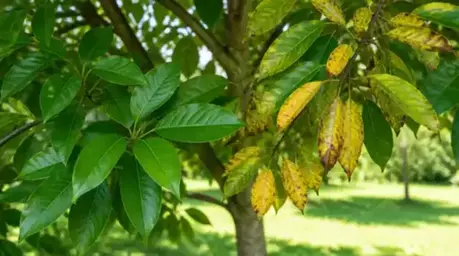
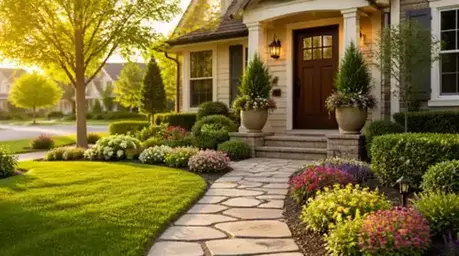
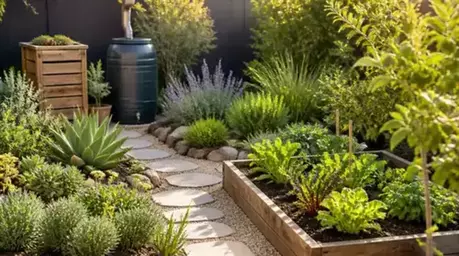
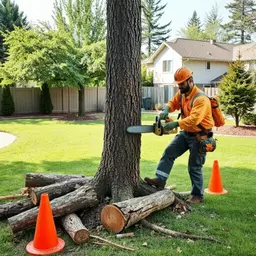
Understanding the core components of a sustainable landscape maintenance plan is crucial for effective implementation. Below are the essential elements represented visually.
Water Management
Incorporating strategies to conserve water is essential. Techniques include using drought-resistant plants and efficient irrigation systems.
Plant Selection
Choosing native and drought-tolerant species can enhance biodiversity and reduce maintenance needs.
Soil Care
Implement techniques to enrich and protect soil health, such as composting and organic fertilizers.
Eco-Friendly Practices
Using organic fertilizers and practicing integrated pest management reduces environmental impact.
Biodiversity Enhancement
Incorporating native plants and creating habitats for local wildlife promotes ecological resilience.
Understanding the Foundations of a Sustainable Landscape Maintenance Plan
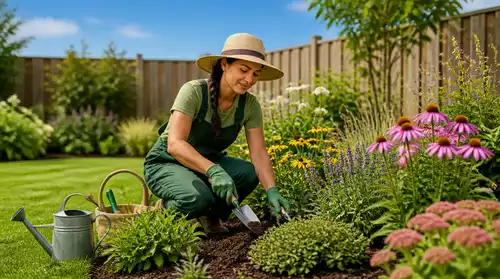
Creating a sustainable landscape maintenance plan is essential for those of us who want to cultivate beautiful outdoor spaces while caring for the environment. At Timberline Garden, I believe that sustainable landscaping is not just a trend; it's a vital approach that can lead to healthier ecosystems and more vibrant communities. By understanding the foundations of sustainability in our landscapes, we can make informed decisions that yield beautiful results without compromising the planet. For more insights on developing eco-friendly outdoor areas, consider building a sustainable landscape design from the ground up.
So, what does sustainable landscaping really mean? It involves designing and maintaining outdoor areas in a way that promotes ecological balance and conserves resources. This can include everything from choosing the right plants to implementing water-saving techniques. As we explore this topic, I encourage you to think about how these practices can be applied to your own landscapes!
Defining Sustainable Landscaping and Its Importance
At its core, sustainable landscaping refers to the practices that enhance the health of our environment through thoughtful management of our outdoor spaces. It’s about reducing waste, conserving water, and fostering biodiversity. Have you ever thought about how your yard can contribute to a larger ecological network? That's the spirit of sustainable landscaping!
By incorporating eco-friendly techniques, we not only beautify our surroundings but also reduce our reliance on harmful chemicals and resources. Here are a few key reasons why sustainable landscaping is important:
- Conserves resources: Sustainable practices help save water, energy, and materials.
- Enhances biodiversity: A well-planned landscape can support local wildlife.
- Improves soil health: Healthy soil leads to healthier plants and reduces the need for fertilizers.
What is a Sustainable Landscape Maintenance Plan?
A sustainable landscape maintenance plan outlines the actions needed to maintain your outdoor space while prioritizing eco-friendly practices. It’s a roadmap that guides us in caring for our landscapes responsibly. At Timberline Garden, I tailor these plans to fit the unique needs of each property, ensuring that they reflect the vision and goals of the homeowner.
Key components of a sustainable maintenance plan include:
- Water management: Incorporating strategies to conserve water.
- Plant selection: Choosing native and drought-tolerant species.
- Soil care: Implementing techniques to enrich and protect soil health.
The Role of Eco-Friendly Practices in Landscape Management
Incorporating eco-friendly practices into landscape management is crucial for promoting sustainability. These practices can greatly reduce our environmental impact while enhancing the beauty of our surroundings. Simple changes can lead to significant improvements! For example, composting is a simple gardening guide that helps enrich soil naturally.
Here are some eco-friendly practices you might consider:
- Using organic fertilizers: They nourish plants without harming the environment.
- Implementing composting: It recycles yard waste and enriches soil.
- Practicing integrated pest management: This reduces reliance on chemical pesticides.
The Impact of Sustainable Practices on Environmental Sustainability
Every choice we make in our landscaping directly impacts the environment. By adopting sustainable practices, we can reduce our carbon footprint and contribute to a healthier planet. It's all about making mindful decisions to create a lasting legacy in our gardens.
For instance, did you know that sustainable landscaping can actively help in reducing carbon emissions? By planting trees, we can absorb carbon dioxide and improve air quality. Moreover, sustainable practices can support local wildlife and restore natural habitats, creating a thriving ecosystem right in our backyards!
Reducing Carbon Footprint through Sustainable Landscaping
Reducing our carbon footprint is more important than ever, and landscaping can play a big role in this effort. By choosing plants that are adapted to our local climate and reducing lawn areas, we can minimize energy consumption associated with watering and maintenance.
Here are some strategies to consider:
- Plant trees: They absorb carbon and provide shade.
- Limit lawn areas: Replace with ground covers or native plants.
- Use renewable resources: Opt for materials that have a lower environmental impact.
Enhancing Biodiversity in Landscape Design
Another significant benefit of sustainable landscaping is its ability to enhance biodiversity. By creating habitats for various species, we can support local ecosystems and promote resilience in our landscapes. Imagine a garden buzzing with life!
To enhance biodiversity in your landscape, consider:
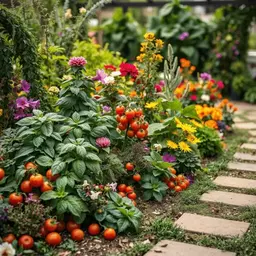
- Incorporating native plants: They provide food and shelter for local wildlife.
- Creating diverse plantings: A mix of species promotes a balanced ecosystem.
- Designing habitats: Birdhouses, bee hotels, and native meadows can attract beneficial species.
As we wrap up this section on the foundations of sustainable landscape maintenance, I hope you feel inspired to take steps towards creating a greener outdoor space. Embracing sustainable practices not only beautifies our landscapes, but it also fosters a sense of connection to the environment. At Timberline Garden, I’m here to guide you through every step of this rewarding journey!
Pro Tip
To further enhance the sustainability of your landscape, consider implementing a rainwater harvesting system. This allows you to collect and store rainwater for irrigation, reducing your reliance on municipal water supplies and lowering your water bills. It's an eco-friendly solution that supports your garden while conserving precious resources!
Frequently Asked Questions About Sustainable Landscape Maintenance
Implementing Your Sustainable Landscape Maintenance Plan
Now that we've laid the groundwork for a sustainable landscape maintenance plan, it's time to focus on implementation. A well-structured plan is crucial! By turning your ideas into action, you can create a thriving outdoor space that not only looks beautiful but also supports the environment. Let’s explore how to put your plan into motion effectively and efficiently.
The first step in this journey is creating an actionable implementation workflow. This involves breaking down tasks into manageable parts while ensuring everyone involved understands their roles. Teamwork makes the dream work, right? So, let’s dive into the specifics!
Creating an Actionable Implementation Workflow
Establishing clear roles and responsibilities is a key part of making your plan a reality. Everyone should know what their duties are to ensure smooth execution. Here’s how to get started:
- Assign Roles: Identify who will handle tasks like planting, irrigation, and maintenance.
- Set Deadlines: Create timelines for each task to keep everything on track.
- Communicate Regularly: Schedule check-ins to discuss progress and troubleshoot challenges.
Next up, budget planning and resource management are essential for ensuring your project is financially sustainable. It’s crucial to keep costs in mind while also investing in quality materials that will support your landscape. Consider these points:
- Estimate Costs: Assess expenses for plants, tools, and any professional assistance you may need.
- Track Expenses: Use a budget spreadsheet to monitor your spending and adjust as necessary.
- Seek Grants or Incentives: Research local programs that may offer financial support for sustainable initiatives.
Incorporating Green Infrastructure into Landscape Design
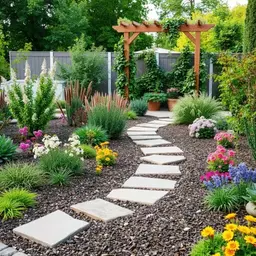
Integrating green infrastructure can enhance the benefits of your landscape while promoting sustainability. One effective approach is using permeable paving, which allows water to infiltrate the ground rather than running off. This helps manage stormwater and supports local ecosystems. Consider these strategies! For more on water management, explore designing a water-efficient garden to maximize conservation.
- Permeable Pavement: Use materials like porous concrete or gravel for patios and walkways.
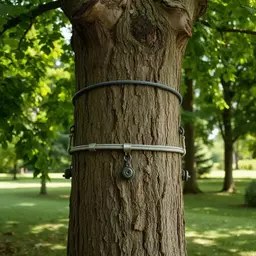
- Tree Canopy Expansion: Plant trees strategically to provide shade and improve air quality.
- Rain Gardens: Designate areas for native plants that absorb excess rainwater and reduce flooding.
Urban forestry also plays a vital role in landscape ecosystems. By incorporating trees and greenery into urban areas, we can create healthier living environments. Think about how to incorporate more trees into your design as you plan.
Final Thoughts and Resources for Sustainable Landscaping
As we wrap up our discussion on implementing a sustainable landscape maintenance plan, remember that it’s a journey! With the right resources and planning, you can create a beautiful, eco-friendly space that enhances your property and the environment. At Timberline Garden, we’re committed to helping you every step of the way.
Accessing Templates and Checklists for Your Landscape Plan
Having handy templates and checklists can simplify the process immensely. These tools help organize tasks and ensure nothing is overlooked. Here’s where to find valuable resources:
- Online Platforms: Websites like Timberline Garden offer downloadable resources tailored for sustainable landscaping.
- Local Workshops: Check for community workshops on sustainable practices that might provide useful materials.
- Gardening Books: Look for books focused on sustainable gardening for additional templates and ideas.
Engaging with Professional Landscaping Services
Sometimes, it’s best to bring in the professionals! When searching for a landscaping provider, keep these tips in mind to ensure you make the right choice:
- Research Providers: Look for companies specializing in sustainable practices and read reviews.
- Ask for References: Speak with previous clients to gauge their experiences and satisfaction.
- Inquire about Certifications: Ensure the provider has training in eco-friendly landscaping methods.
Before hiring, don’t hesitate to ask questions about their approach to sustainability! Understanding their methods will give you confidence that your landscape is in good hands. Remember, creating a sustainable landscape is not just a project; it’s a commitment to a better future. For expert assistance, consider learning more about professional tree care services.
Recap of Key Points
Here is a quick recap of the important points discussed in the article:
- Understanding Sustainable Landscaping: It promotes ecological balance, conserves resources, and enhances biodiversity.
- Key Components of a Maintenance Plan: Focus on water management, plant selection, and soil care to create a sustainable landscape.
- Eco-Friendly Practices: Implement organic fertilizers, composting, and integrated pest management to reduce environmental impact.
- Reducing Carbon Footprint: Plant trees, limit lawn areas, and use renewable resources to minimize energy consumption.
- Enhancing Biodiversity: Incorporate native plants and create diverse habitats to support local wildlife.
- Effective Implementation: Establish clear roles, set deadlines, and budget wisely to ensure successful execution of your sustainable plan.
- Utilizing Green Infrastructure: Integrate permeable paving, expand tree canopies, and design rain gardens for improved sustainability.