How much water do you think you waste in your garden every year? The answer might surprise you! Efficient irrigation practices can not only save water but also enhance the beauty of your outdoor space. As we face the realities of climate change, understanding sustainable irrigation becomes vital for every homeowner and property owner.
What You Will Learn
- Sustainable irrigation conserves water while promoting healthy plant growth and soil quality.
- Water Use Efficiency (WUE) is key in optimizing irrigation practices to maximize yields and minimize water usage.
- Integrating rainwater harvesting into your irrigation system reduces reliance on municipal water sources and supports environmental health.
- Understanding the cost-benefits of various irrigation systems helps in making informed decisions for long-term savings and sustainability.
- Your water footprint is crucial for promoting sustainable practices, helping to identify water-intensive crops and reduce waste.
- Emerging technologies, such as AI and geospatial tools, are transforming irrigation management, making it more efficient and effective.
Cost-Benefits of Different Irrigation Systems
Exploring the various irrigation systems available and their cost-effectiveness can guide your investment for long-term sustainability. For instance, understanding how to choose the right irrigation system can be a game-changer for designing a water-efficient garden that thrives in any climate.
Drip Irrigation
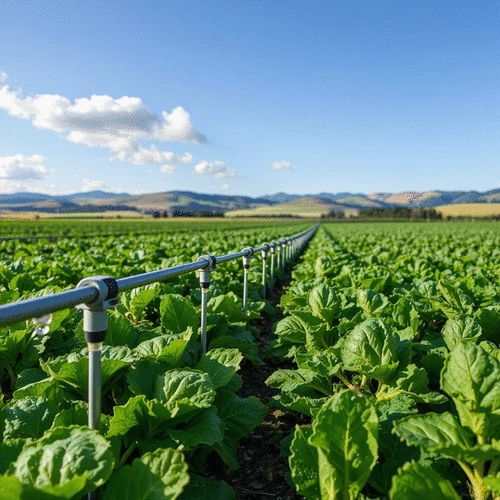
Higher installation cost but leads to significant water savings and increased yield.
Sprinkler Systems
More affordable initially, but can cause higher water waste through evaporation and runoff.
Subsurface Irrigation
Higher upfront cost with excellent water efficiency and soil moisture management.
Methods to Improve Water Use Efficiency (WUE)
Implementing these methods can significantly enhance your irrigation strategies and conserve water.
Soil Moisture Monitoring
Tracking moisture levels to optimize watering times.
Proper System Design
Tailoring your irrigation system to meet landscape needs effectively.
Regular Maintenance
Ensuring system efficiency to prevent water loss.
Understanding Sustainable Irrigation Systems
As a passionate advocate for sustainable landscaping practices, I've come to appreciate the vital role of irrigation in nurturing our gardens and landscapes. Sustainable irrigation systems aren't just about watering plants; they are about conserving water, enhancing plant health, and protecting our environment. With climate change affecting water availability, understanding these systems becomes crucial for every homeowner and property owner looking to create a thriving outdoor space.
In simple terms, sustainable irrigation refers to practices that efficiently manage water resources while minimizing waste. This means using methods that allow plants to get the moisture they need without overusing water or harming the ecosystem. So, why is this important? Well, every drop counts! By implementing sustainable practices, we can save water, reduce energy consumption, and even lower our utility bills. For more tips on conserving water, check out these landscaping tips for water savings.
Defining Sustainable Irrigation and Its Importance
Sustainable irrigation is a holistic approach that considers both the needs of your plants and the environment. It involves using techniques that enhance water use efficiency and promote healthy soil. Incorporating these practices not only helps maintain a lush landscape but also encourages responsible water management.
Here are some key aspects of sustainable irrigation:
- Water Conservation: Reducing water waste through efficient systems.
- Soil Health: Improving soil quality to enhance water retention.
- Plant Selection: Choosing native or drought-tolerant plants that require less water.
By understanding these principles, we can design landscapes that flourish while contributing positively to our local ecosystems. It’s all about creating balance! And that’s exactly what we aim for at Timberline Garden — enhancing outdoor spaces sustainably.
Overview of Water Use Efficiency (WUE) in Agriculture
Water Use Efficiency, or WUE, is a critical factor in agriculture and landscaping. It measures how effectively water is used for crop production or landscape management. When we focus on WUE, we can maximize yields while minimizing water usage. It’s a win-win situation!
For those working on farms or larger landscapes, understanding how to improve WUE can lead to more efficient irrigation strategies. Here are some methods to consider:
- Soil Moisture Monitoring: Keeping track of soil moisture levels helps determine when and how much to water.
- Proper System Design: Tailoring your irrigation system to your landscape needs can significantly impact WUE.
- Regular Maintenance: Ensuring that irrigation systems are functioning correctly prevents water loss and inefficiency.
By adopting these methods, you can ensure that your plants receive the right amount of water at the right time. Not only does this lead to happier plants, but it also contributes to sustainable living.
Integrating Rainwater Harvesting into Irrigation Practices
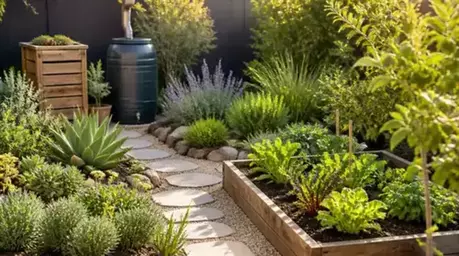
Imagine capturing every drop of rain that falls on your property and using it to nourish your plants! Rainwater harvesting is an excellent way to enhance your irrigation system sustainably. This practice involves collecting rainwater from roofs and other surfaces and storing it for later use. It’s a simple yet effective method to reduce your reliance on municipal water sources.
Here are some benefits of integrating rainwater harvesting:
- Cost Savings: Reducing water bills by using free rainwater.
- Environmental Impact: Decreasing stormwater runoff and erosion.
- Plant Health: Providing plants with naturally soft, chemical-free water.
At Timberline Garden, we believe that every homeowner can contribute to a healthier environment by harnessing the power of rainwater. With a little planning and the right equipment, you can create a sustainable irrigation system that benefits both your garden and the planet! Utilizing native plants for sustainable landscapes can further enhance the efficiency of such systems by reducing overall water demand.
Pro Tip
Did you know that implementing a smart irrigation controller can save you up to 30% on your water bills? These devices automatically adjust watering schedules based on weather conditions, ensuring your plants receive the right amount of moisture without overwatering. It's an investment that pays for itself in both water savings and healthier plants!
Addressing Common Questions on Sustainable Irrigation
As we delve into the world of sustainable irrigation, it’s common to have questions. You might wonder about the costs involved, the best systems for your specific needs, or how your water use impacts the environment. Let’s tackle some of these common questions together, ensuring you can make informed decisions for your landscape or agricultural project!
Understanding the cost-benefits of various irrigation systems is essential. This knowledge can guide your investment choices and lead to long-term savings. By weighing the initial setup costs against potential savings on water bills and maintenance, you can find a balance that suits your budget and goals.
Frequently Asked Questions (FAQs)
- What is sustainable irrigation?
- Sustainable irrigation involves efficient water management practices that conserve water, enhance plant health, and protect the environment by minimizing waste.
- Why is Water Use Efficiency (WUE) important?
- WUE is crucial because it measures how effectively water is used for crop production or landscape management, helping to maximize yields while minimizing water consumption.
- How can rainwater harvesting benefit my irrigation system?
- Rainwater harvesting reduces reliance on municipal water, lowers water bills, decreases stormwater runoff, and provides plants with natural, chemical-free water.
- Which irrigation system is most cost-effective?
- The most cost-effective system depends on your specific needs. Drip and subsurface irrigation have higher upfront costs but offer significant long-term water savings, while sprinkler systems are cheaper initially but can lead to more water waste.
- What is a water footprint in agriculture?
- A water footprint measures the total volume of freshwater used to produce goods. Understanding it helps in minimizing waste, identifying water-intensive crops, and promoting sustainable farming practices.
What are the Cost-Benefits of Different Irrigation Systems?
Different irrigation systems come with their own sets of benefits and drawbacks! Here’s a quick overview of what you might expect:
- Drip Irrigation: While the installation cost can be higher, the water savings and increased yield often justify the expense.
- Sprinkler Systems: These are generally more affordable initially but can lead to higher water waste through evaporation and runoff.
- Subsurface Irrigation: This system has a higher upfront cost but provides excellent water efficiency and soil moisture management.
Investing in a sustainable irrigation system not only conserves water but also supports healthy plant growth, which ultimately enhances your landscape’s beauty. At Timberline Garden, I’ve seen firsthand how choosing the right system can transform a space!
How to Choose the Right System for Your Farm or Landscape?
Choosing the right irrigation system can feel overwhelming, but I’ve learned that breaking it down into manageable steps helps. Here’s a straightforward approach to guide your decision:
- Assess your landscape’s specific water needs.
- Consider the soil type, plant types, and local climate.
- Evaluate your budget and long-term maintenance capabilities.
- Research different systems to find one that matches your requirements.
This method can help you avoid common pitfalls and ensure you’re making a decision that leads to a thriving garden or farm. Remember, it’s all about finding what works best for your unique situation! For those keen on building a sustainable outdoor area, consider exploring resources on building a sustainable landscape design.
Understanding Water Footprint and Its Importance in Agriculture
Your water footprint is a critical aspect of sustainable irrigation practices. It measures the total volume of freshwater used to produce goods, including food. By understanding this concept, you can minimize wastage and promote better usage of resources. Here's why it matters:
- Reduces unnecessary water consumption, ensuring availability for future generations.
- Helps identify the most water-intensive crops, allowing you to make informed choices.
- Encourages sustainable farming practices that protect local ecosystems.
At Timberline Garden, I advocate for awareness of one’s water footprint, as it plays a crucial role in creating an environmentally-friendly landscape.
Future Trends in Sustainable Irrigation
Looking ahead, the field of sustainable irrigation is evolving rapidly, thanks to technological advancements. It’s exciting to see how these developments can enhance efficiency and conserve resources!
As an advocate for modern landscaping practices, I’m thrilled by the potential that lies in integrating technology with irrigation. Let’s explore some of these future trends together!
The Role of AI and Machine Learning in Irrigation Management
Artificial intelligence (AI) and machine learning are revolutionizing how we manage irrigation systems. Here’s what you should know:
- These technologies can analyze weather patterns and soil conditions to optimize watering schedules.
- AI can predict plant water needs, reducing waste and ensuring plants receive just the right amount of moisture.
- Machine learning algorithms can identify inefficiencies in systems, allowing for adjustments that improve overall performance.
Embracing these advancements can lead to smarter, more efficient irrigation practices, benefiting both your landscape and our planet!
Integration with Renewable Energy Sources: Opportunities and Challenges
The integration of renewable energy sources into irrigation systems offers exciting possibilities! Utilizing solar or wind energy can significantly reduce operational costs. However, it’s essential to consider factors such as:
- Initial investment costs for renewable energy installations.
- Availability of sunlight or wind in your area.
- Long-term savings on energy expenses.
By weighing these factors, you can make informed choices that align with sustainable practices while enhancing your irrigation capabilities. Implementing professional tree care services can also indirectly support sustainable irrigation by ensuring the health of large plants that might otherwise require more water due to stress.
Advancements in Geospatial Technology for Water Resource Management
Geospatial technology, such as satellite imagery and GIS mapping, is transforming water resource management. Here’s how:
- Provides detailed insights into soil moisture levels across large areas.
- Enables precise irrigation planning based on real-time data.
- Helps identify areas prone to water wastage or inefficiencies.
These advancements support more targeted irrigation practices, ultimately improving water conservation in our landscapes.
Concluding Thoughts on Sustainable Irrigation Practices
As we wrap up our discussion on sustainable irrigation, it’s clear that efficient methods can lead to numerous benefits. By prioritizing water conservation, we not only protect our natural resources but also enhance the health of our landscapes.
Let’s encourage the adoption of sustainable practices for future generations! Every small step you take contributes to a larger movement towards responsible water management. Together, we can create thriving environments that are both beautiful and sustainable!
Recap of Key Points
Here is a quick recap of the important points discussed in the article:
- Sustainable Irrigation Definition: Focuses on efficient water management that conserves resources while nurturing plant health.
- Key Practices: Implement water conservation techniques, enhance soil health, and choose native or drought-tolerant plants.
- Water Use Efficiency (WUE): Monitor soil moisture, design tailored irrigation systems, and maintain systems to minimize water loss.
- Rainwater Harvesting Benefits: Reduces water bills, decreases environmental impact, and provides chemical-free water for plants.
- Cost-Benefit Analysis: Evaluate different irrigation systems based on installation and long-term savings to make informed decisions.
- Future Trends: Embrace AI, renewable energy, and geospatial technology for smarter irrigation management.