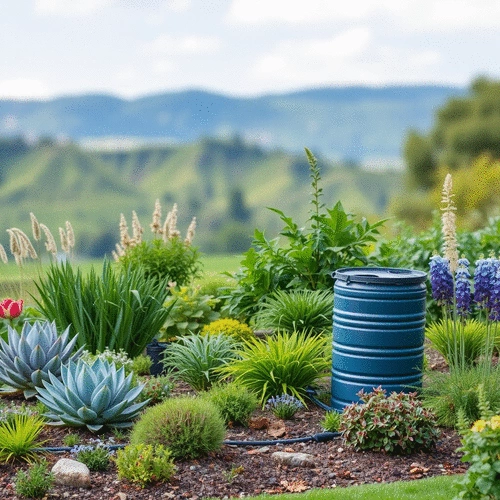
Water conservation in landscaping is not just an option; it’s a necessity in our changing climate. With increasing water scarcity, the methods we choose can have lasting effects on our environment and our wallets. As we explore effective water-saving techniques, remember: every small step towards sustainability counts.
What You Will Learn
- Water-saving techniques offer significant environmental benefits by protecting local water sources and promoting healthy ecosystems.
- Implementing these techniques can lead to substantial cost savings on your water bills.
- Best landscaping practices, such as xeriscaping and smart irrigation, help create a thriving, low-maintenance garden.
- Xeriscaping not only conserves water but also reduces maintenance and promotes local biodiversity.
- Homeowners can start their journey towards water conservation by assessing their landscape and replacing high-water-use plants.
- Sustainable landscaping certification showcases your commitment to eco-friendly practices and can enhance property value.
- Small, manageable changes in your landscaping approach can lead to significant positive impacts on water conservation over time.
Key Benefits of Water-Saving Techniques in Landscaping
Implementing water-saving techniques in landscaping offers numerous advantages that contribute to environmental sustainability and cost efficiency. Below are the key benefits highlighted. For more insights into sustainable landscape design, consider building a sustainable landscape design.
Environmental Benefits
Conserving water reduces overall usage, protecting local water sources.
Cost Savings
Efficient watering practices lower your water bills.
Healthier Plants
Proper water management allows plants to grow stronger and more resilient.
Increased Biodiversity
Efficient watering supports a thriving ecosystem.
Understanding Water Conservation in Landscaping
As someone who has spent years enhancing outdoor spaces, I've come to appreciate the vital role of water conservation in landscaping. With changing climates and increasing water scarcity, it's crucial to adopt practices that help preserve this precious resource. Water-saving techniques not only benefit the environment but can also reduce your water bills and create a more sustainable garden!
Why should we care about water-saving techniques? For starters, they help maintain healthy landscapes while protecting our local ecosystems. When we conserve water, we're ensuring that our plants thrive without straining our water supply. Moreover, integrating water-wise methods into our landscaping efforts can enhance the overall aesthetic and functionality of our outdoor spaces.
The Importance of Water-Saving Techniques in Landscapes
Water-saving techniques are becoming increasingly necessary in landscaping. Here are several key reasons why adopting these practices is essential:
- Environmental benefits: Conserving water reduces overall usage, helping to protect local water sources.
- Cost savings: By implementing efficient watering practices, you can lower your water bills.
- Healthier plants: Proper water management allows your plants to grow stronger and more resilient.
- Increased biodiversity: Efficient watering practices support a thriving ecosystem.
At Timberline Garden, I often emphasize that water conservation isn't just about saving resources; it’s about creating a vibrant landscape that flourishes sustainably. Implementing these techniques can transform your outdoor space into a lush oasis while respecting nature! You can learn more about designing a water-efficient garden to further enhance your efforts.
Defining Best Landscaping Practices for Water Conservation
Implementing best practices for water conservation in your landscaping can make a significant difference. Here are some successful strategies to consider:
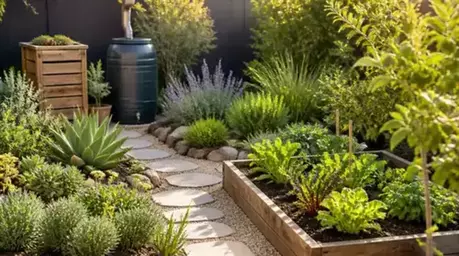
- Xeriscaping: This landscaping method uses drought-resistant plants that require less water.
- Soil improvement: Enhancing soil quality helps retain moisture effectively.
- Smart irrigation: Installing drip systems or using rain sensors can optimize water usage.
- Plant selection: Choosing native and drought-tolerant plants promotes sustainability.
By adopting these best practices, you not only conserve water but also contribute to the overall health and beauty of your landscape. Remember, every small change we make can have a big impact on our environment! At Timberline Garden, I'm dedicated to sharing these insights to help you create a thriving, water-efficient garden.
Pro Tip
Did you know? Incorporating native plants into your garden not only conserves water but also attracts beneficial wildlife. These plants are naturally adapted to your local climate and soil conditions, making them easier to maintain and more resilient during dry spells. Consider replacing non-native species with local flora for a truly sustainable garden!
Addressing Common Questions and Concerns
As we explore the world of water conservation in landscaping, I often hear a few questions that seem to pop up time and again. These inquiries not only highlight the importance of sustainable practices but also show that many homeowners are eager to make a difference! Let’s take a closer look at these common concerns and clarify some key points that can help you on your journey toward a more water-efficient landscape.
One of the primary questions I encounter is, “What are the key benefits of xeriscaping? This practice involves designing landscapes that require minimal irrigation, which can lead to significant savings on your water bill. Additionally, xeriscaping helps reduce the strain on local water supplies, promotes biodiversity, and creates a low-maintenance garden that can withstand drought conditions. Isn’t that a win-win?
What are the Key Benefits of Xeriscaping?
Xeriscaping offers numerous advantages that can transform your outdoor space while conserving water. Here are some of the standout benefits:
- Water Conservation: Reduces the amount of water needed for irrigation.
- Cost Savings: Lowers monthly water bills, freeing up funds for other home improvements.
- Reduced Maintenance: Requires less upkeep, allowing you to enjoy your landscape more.
- Environmental Benefits: Promotes local wildlife and supports a diverse ecosystem.
By adopting xeriscaping techniques, you’re not only improving your property but also contributing positively to the environment. As I always say at Timberline Garden, every little effort counts!
How Can Homeowners Get Started with Water-Conserving Practices?
If you’re eager to jump into water-conserving practices, I’ve got some simple steps to help you get started. First, assess your current landscape to identify areas where you can reduce water usage. Here are a few practical actions you can take:
- Conduct a water audit to understand your current usage.
- Replace high-water-use plants with drought-tolerant varieties.
- Implement mulching to retain moisture in your soil.
- Consider installing a drip irrigation system for targeted watering.
These steps will not only enhance your landscape but also create a space that thrives with minimal water. It’s all about making small, manageable changes that lead to a big impact over time! For more ideas, explore native plants for sustainable landscapes.
What is Sustainable Landscaping Certification and How to Obtain It?
Many homeowners wonder about the concept of sustainable landscaping certification. This certification demonstrates a commitment to environmentally-friendly practices in landscaping and garden design. To obtain this certification, you typically need to meet specific criteria, such as:
- Utilizing native and drought-resistant plants.
- Implementing efficient irrigation systems.
- Practicing organic gardening techniques.
- Reducing lawn area and promoting soil health.
Getting certified can help you not only improve your landscape's sustainability but also enhance your property’s value. Plus, it’s a great way to showcase your dedication to the environment! At Timberline Garden, we support anyone interested in pursuing this certification, so don’t hesitate to reach out for guidance.
Recap and Encouragement for Water-Conserving Landscaping
As we wrap up this discussion on water conservation, it’s clear that implementing best practices can have a profound impact on your landscape and our precious water resources. From xeriscaping to efficient watering techniques, every action contributes to creating a thriving, sustainable environment. Feel free to reach out for professional tree care services explained if you need further assistance with your landscape.
Remember, embarking on your water-wise landscaping journey doesn’t have to be overwhelming. Start small and gradually incorporate these practices into your routine. I’m here to encourage and support you every step of the way! Together, we can create beautiful outdoor spaces that conserve water and promote a healthier planet.
Recap of Key Points
Here is a quick recap of the important points discussed in the article:
- Water Conservation Importance: Adopting water-saving techniques helps maintain healthy landscapes, protects ecosystems, and reduces water bills.
- Best Practices: Implement xeriscaping, improve soil quality, utilize smart irrigation systems, and select drought-tolerant plants.
- Xeriscaping Benefits: This approach reduces water usage, lowers maintenance requirements, and supports local wildlife.
- Getting Started: Conduct a water audit, replace high-water-use plants, use mulch, and consider drip irrigation for efficient watering.
- Sustainable Certification: Obtain certification by using native plants, efficient irrigation, and practicing organic gardening.
Frequently Asked Questions (FAQs)
Q1: What are the main benefits of water-saving techniques in landscaping?
A1: The main benefits include environmental protection (conserving local water sources), cost savings on water bills, healthier and more resilient plants, and increased biodiversity in your garden.
Q2: What is xeriscaping, and why is it beneficial?
A2: Xeriscaping is a landscaping method that uses drought-resistant plants requiring minimal irrigation. Its benefits include significant water conservation, lower monthly water bills, reduced maintenance, and promoting local wildlife and a diverse ecosystem.
Q3: How can I start implementing water-conserving practices in my garden?
A3: Begin by conducting a water audit to understand your current usage. Then, replace high-water-use plants with drought-tolerant varieties, use mulching to retain soil moisture, and consider installing a drip irrigation system for targeted watering.
Q4: What is sustainable landscaping certification, and how can I get it?
A4: Sustainable landscaping certification demonstrates a commitment to environmentally-friendly practices. To obtain it, you need to meet criteria such as using native and drought-resistant plants, implementing efficient irrigation, practicing organic gardening, and reducing lawn area to promote soil health.
Q5: Does incorporating native plants really help with water conservation?
A5: Yes, absolutely! Native plants are naturally adapted to your local climate and soil conditions, meaning they require less water and maintenance once established. They also support local wildlife and contribute to a healthier ecosystem.