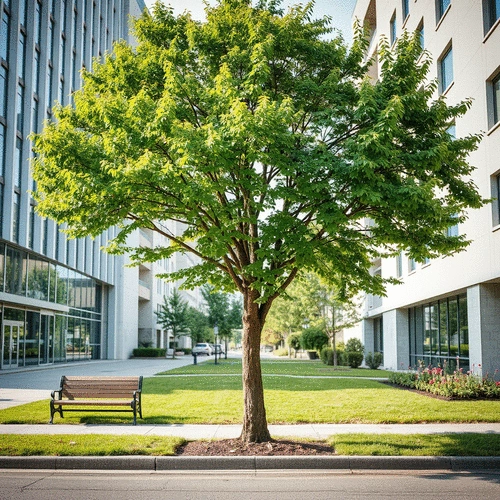
What if urban trees could speak? They would tell us stories of their struggles against pollution, soil compaction, and the hustle of city life. By understanding their needs, we can help them thrive, creating a healthier environment for ourselves and future generations. Dive into the world of urban tree care and discover how you can make a difference!
What You Will Learn
- Effective urban tree care improves air quality by filtering pollutants and producing oxygen.
- Urban trees reduce the heat island effect, providing necessary shade and cooling city spaces.
- Strategic tree placement in urban planning can enhance property values and boost community well-being.
- Understanding the challenges urban trees face, like poor soil quality and limited space, is crucial for their health.
- Common misconceptions about pruning and mulching can lead to unhealthy trees; proper techniques are essential.
- Regular health assessments of urban trees can catch issues early, ensuring better care and longevity.
- Community involvement in tree care fosters a sense of ownership, leading to more sustainable urban landscapes.
- Continued learning and engagement in tree care practices can significantly benefit local ecosystems and aesthetics.
Key Benefits and Challenges of Urban Tree Care
Understanding the benefits and challenges of urban tree care helps in nurturing healthier urban environments. For more detailed insights into maintaining robust trees, explore professional tree care services explained.
Benefits of Urban Trees
- Improves Air Quality
- Reduces Urban Heat
- Enhances Property Value
- Provides Wildlife Habitat
Challenges Faced by Urban Trees
- Poor Soil Quality
- Limited Space
- Pollution Exposure
- Climate Extremes
Key Urban Tree Care Techniques
- Regular Watering
- Responsible Pruning
- Effective Mulching
Community Involvement in Tree Care
Engaging the community fosters responsibility and enhances the success of tree care efforts.
Understanding Urban Tree Care Needs
Urban areas are bustling with life, but have you ever thought about the trees that stand tall amidst the concrete? At Timberline Garden, I believe effective urban tree care is crucial not just for aesthetics but also for the health of our environment. Trees provide essential benefits like cleaner air, shade, and even a boost to our mental well-being. Understanding their care needs is the first step towards nurturing a healthier urban landscape!
Effective urban tree care encompasses a variety of practices that ensure our trees thrive in challenging environments. From city planning to maintenance, each aspect plays a vital role in enhancing the biodiversity and sustainability of our urban green spaces. It’s all about creating a harmonious balance where trees can flourish alongside urban development, ensuring both nature and community can thrive together.
Importance of Effective Urban Tree Care
Effective tree care is not just about keeping the trees looking good; it’s about fostering a healthy ecosystem. Urban trees help in mitigating the heat, improving air quality, and providing habitat for wildlife. By investing in proper tree care, we’re not only beautifying our surroundings but also contributing to a healthier planet!
Here are a few key reasons why urban tree care is essential:
- Improves Air Quality: Trees filter pollutants and produce oxygen, making the air we breathe cleaner.
- Reduces Urban Heat: Tree canopies provide shade, reducing the heat island effect in cities. For more on creating cooler, greener spaces, consider designing a water-efficient garden.
- Enhances Property Value: Well-maintained trees can increase the value of residential and commercial properties.
- Provides Wildlife Habitat: Urban trees serve as homes and food sources for various species.
Challenges Faced by Urban Trees
While urban trees offer countless benefits, they also face unique challenges that can hinder their growth and longevity. Pollution, soil compaction, and limited space are just a few obstacles they encounter. At Timberline Garden, I often see trees struggling to adapt in these harsh environments, and it reminds me of the importance of understanding their specific needs.
Some common challenges include:
- Poor Soil Quality: Urban soils can be compacted and lacking in nutrients, making it hard for trees to establish strong roots.
- Limited Space: Trees often have restricted growing areas, leading to stunted growth and increased stress.
- Pollution Exposure: Urban air and soil pollution can negatively impact tree health and resilience.
- Climate Extremes: Urban trees can be exposed to extreme weather conditions, affecting their ability to thrive.
Urban Forestry and Its Role in City Planning
Urban forestry plays a pivotal role in city planning and environmental sustainability. By integrating trees into the urban landscape, cities can create a more livable and enjoyable environment. This is where we can make informed choices about tree placement that maximizes benefits while minimizing risks.
Consider these aspects of urban forestry:
- Strategic Tree Placement: Trees can be positioned to provide shade and reduce energy costs for buildings.
- Community Involvement: Engaging local communities in tree planning fosters a sense of ownership and responsibility. Find out more about community engagement in native plants for sustainable landscapes.
- Long-Term Management Plans: Effective planning includes regular maintenance schedules and education about tree care.
- Environmental Impact Assessments: Evaluating how tree plans affect local wildlife and ecosystems is crucial.
Pro Tip
Did you know? Regularly checking the moisture level of your tree's soil can significantly enhance its health. Use a simple finger test: poke your finger into the soil about an inch deep. If it feels dry, it’s time to water! This small action can make a big difference in your tree's ability to thrive in an urban environment.
Addressing Frequently Asked Questions
Urban tree care can raise many questions, especially for those who want to ensure their trees thrive in challenging environments. Whether you’re a homeowner, a community leader, or just someone passionate about trees, understanding common queries can help demystify tree care practices. Let's dive into some of the most frequently asked questions regarding urban tree care!
First and foremost, many people wonder about the best way to water their trees. This is crucial because proper hydration is essential for growth and stability. Additionally, questions often arise about the timing and methods of pruning, especially for those new to tree care. Don’t worry; I’ll break it down for you!
Common Questions About Urban Tree Care
Here are some common questions that often come up in urban tree care discussions:
- How often should I water my urban trees?
- What are the signs that my tree needs pruning?
- Can I mulch around my trees during winter?
- What types of trees are best suited for my area?
These questions reflect a shared concern among tree enthusiasts and caretakers. Addressing them can lead to healthier trees and a more vibrant urban landscape. Remember, taking the time to understand your tree's specific needs will always pay off!
Clarifying Misconceptions About Pruning and Mulching
Many myths surround tree care, particularly regarding pruning and mulching. One common misconception is that more pruning is always better. This is far from the truth! Over-pruning can stress trees and lead to health issues.
Another myth is that mulch should be piled high against the trunk of the tree. Instead, mulch should be spread out in a donut shape around the tree, leaving space at the base to prevent rot. Let’s clarify the facts with these key points:
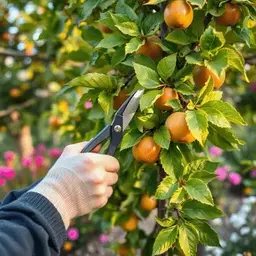
- Prune only when necessary and understand the growth patterns of your tree. You can learn more about proper techniques in pruning fruit trees: a simple guide.
- Apply mulch to retain moisture but avoid creating mulch volcanoes around tree trunks.
- Choose the right type of mulch for your tree species and local climate.
By debunking these myths, we can promote healthier tree care practices. I often remind my clients at Timberline Garden that understanding the *why* behind practices can lead to better outcomes!
Understanding Tree Health Assessment and Risk Management
Assessing tree health is crucial for anyone looking to maintain their urban landscape effectively. Many homeowners often ask how to determine if a tree is healthy or at risk. Here are some helpful indicators:
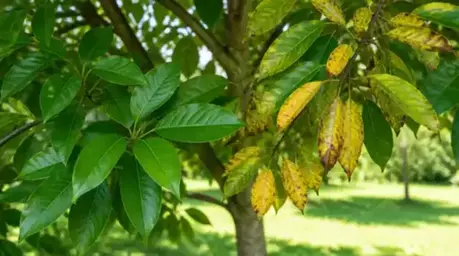
- Check for signs of pests or disease, such as discolored leaves or unusual growths.
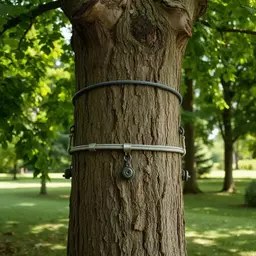
- Look for structural issues like cracks or leaning that might indicate weaknesses.
- Monitor soil conditions; compacted soil can hinder a tree's root system.
Regular assessments can help catch problems early, which can save time and resources in the long run. In my experience, taking a proactive approach not only enhances tree health but also improves the overall beauty of your landscape!
FAQs About Urban Tree Care
Here are some frequently asked questions about urban tree care to help you better understand and manage the health of trees in your community:
- Q: How often should urban trees be watered?
- A: The watering frequency for urban trees depends on various factors such as tree species, soil type, and local climate. Generally, young trees need more frequent watering (once or twice a week) compared to mature trees, which can often thrive on natural rainfall but may require supplemental watering during dry spells.
- Q: What are the main benefits of urban trees?
- A: Urban trees offer numerous benefits, including improving air quality by filtering pollutants, reducing the urban heat island effect by providing shade, enhancing property values, and creating essential habitats for urban wildlife. They also contribute to mental well-being and community aesthetics.
- Q: What challenges do urban trees face?
- A: Urban trees face unique challenges such as poor soil quality (often compacted and lacking nutrients), limited space for root and canopy development, exposure to air and soil pollution, and extreme weather conditions. These factors can stress trees and reduce their longevity.
- Q: What is the correct way to mulch around a tree?
- A: Mulch should be applied in a donut shape around the tree, extending to the drip line, but kept a few inches away from the trunk. The ideal depth is 2-4 inches. Avoid creating "mulch volcanoes" piled against the trunk, as this can lead to moisture retention, rot, and pest issues.
- Q: How can communities get involved in urban tree care?
- A: Community involvement is vital for successful urban tree care. This can include participating in tree planting events, joining local tree care groups, helping with watering and mulching initiatives, and advocating for urban forestry policies. Engaging residents fosters a sense of ownership and responsibility for local green spaces.
Summary of Effective Urban Tree Care Practices
So, what have we learned about urban tree care? It's all about being informed and proactive! By implementing effective practices, you can ensure that your trees thrive in the urban environment. Key techniques include proper watering, mulching, and pruning—all essential for sustainable tree health.
Remember, engaging with your community about tree care can lead to even better results. As I often say at Timberline Garden, when we work together, we can create urban landscapes that are not only beautiful but also sustainable!
Recap of Key Techniques for Sustainable Tree Care
To recap, here are the essential techniques we've discussed for maintaining healthy urban trees:
- Regular watering with attention to weather conditions.
- Responsible pruning that considers the tree's health and structure.
- Effective mulching to retain moisture and prevent weeds.
Each of these practices contributes to the overall well-being of your urban trees, fostering a vibrant ecosystem! Staying informed will empower you to make the best choices for your landscape.
Encouraging Continued Learning and Involvement in Tree Care
As we conclude our discussion on urban tree care, I encourage you to keep learning and engaging with your trees. There’s always more to discover, whether through local workshops, community programs, or online resources. At Timberline Garden, we believe that informed tree care not only benefits individual properties but also enriches entire communities.
So, let’s keep the conversation going! Share your experiences with tree care, ask questions, and support each other in creating healthy, green urban spaces. Together, we can cultivate a love for trees that benefits us all! For further reading on creating beautiful and eco-friendly spaces, consider building a sustainable landscape design.
Recap of Key Points
Here is a quick recap of the important points discussed in the article:
- Importance of Urban Trees: Trees improve air quality, reduce urban heat, enhance property value, and provide wildlife habitats.
- Challenges Faced: Urban trees struggle with poor soil quality, limited space, pollution exposure, and climate extremes.
- Effective Practices: Regular watering, responsible pruning, and effective mulching are essential for maintaining healthy urban trees.
- Community Involvement: Engaging local communities in tree planning fosters a sense of ownership and responsibility.
- Ongoing Learning: Encouraging continued education and involvement in tree care promotes healthier urban landscapes.