As the demand for eco-friendly practices rises, homeowners are discovering that sustainable landscaping can significantly boost property value. With a shift in buyer preferences toward environmentally conscious features, investing in your landscape is not just good for the planet, but also for your wallet. Let’s explore how sustainable landscaping can enhance your property's appeal and value.
Key Takeaways
- Sustainable landscaping can increase property value by 15-20%, as buyers are willing to pay a premium for eco-friendly features.
- Curb appeal, energy efficiency, and environmental impact are critical metrics that sustainable landscaping can enhance.
- Incorporating mature trees and native plant gardens can lead to faster sales and higher offers, as they appeal to modern buyer preferences.
- Energy-efficient landscapes can significantly reduce utility costs, with properly placed trees potentially lowering air conditioning expenses by up to 30%.
- Utilizing local climate considerations in your landscape design can maximize your investment returns and promote sustainability effectively.
- Investment in sustainable landscaping often results in lower long-term maintenance costs compared to traditional landscaping, making it economically beneficial.
- Urban forestry and community gardens enhance local property values while promoting sustainability and community engagement.
Impact of Sustainable Landscaping on Property Value
The financial benefits of sustainable landscaping can be seen through various metrics. Below are key statistics highlighting the return on investment (ROI) from eco-friendly landscaping practices. For a deeper dive into creating a beautiful and efficient outdoor space, consider building a sustainable landscape design.
Value Increase from Sustainable Landscaping
Homes with eco-friendly landscapes can see a value increase of up to 15-20%.
Faster Sales with Sustainable Features
Properties with well-maintained landscapes can sell faster than those without, especially homes with mature trees appreciating in value by up to 20% compared to their peers.
Energy Cost Reduction
Properly placed trees can lower air conditioning costs by up to 30%.
Maintenance Cost Comparison
Sustainable landscapes typically require less water and fewer chemical inputs, leading to lower maintenance costs over time.
Understanding the Financial Impact of Sustainable Landscaping on Property Value
Introduction to Sustainable Landscaping and Property Valuation
Defining Sustainable Landscaping and Its Importance
Sustainable landscaping refers to creating and maintaining outdoor spaces that conserve resources, promote biodiversity, and enhance the natural environment. Imagine stepping into a yard bursting with life—pollinator gardens, native plants, and trees that provide shade and beauty! At Timberline Garden, I believe that sustainable landscaping is not just a trend; it’s a way to invest in our planet while boosting our home’s appeal and value as well.
Why is this important? Well, as more homeowners and businesses recognize the value of eco-friendly practices, the demand for sustainable landscaping continues to rise. This shift not only benefits the environment but also contributes to the overall aesthetics and functionality of a property, making it a win-win for everyone involved.
Overview of Property Value Metrics
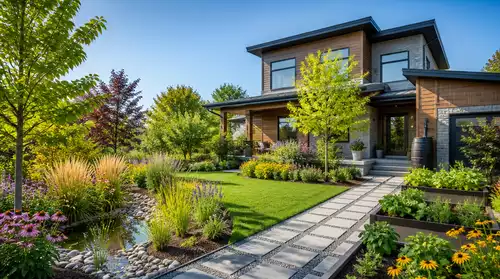
When assessing property value, several metrics come into play. Commonly considered factors include location, condition, and the presence of unique features. However, sustainable landscaping can significantly influence these metrics, making your property more attractive in today’s competitive real estate market.
Some key areas that affect property valuation include:
- Curb Appeal: An appealing landscape creates a positive first impression.
- Energy Efficiency: Eco-friendly features can reduce utility costs.
- Environmental Impact: Properties that promote sustainability often align with buyer values.
Quantitative Evidence of Value Increase
Key Statistics Showing ROI from Sustainable Landscaping
Research indicates that investing in sustainable landscaping can yield significant returns. Did you know that homes with eco-friendly landscapes can see a value increase of up to 15-20%? These impressive statistics demonstrate how buyers are increasingly willing to pay a premium for properties that reflect their values—especially when it comes to sustainability!
Additionally, properties with well-maintained landscapes can sell faster than those without. For instance, studies have shown that homes with mature trees can appreciate in value by up to 20% compared to their peers. It’s clear that the numbers speak for themselves! For more insights on how trees contribute to your property's overall appeal, explore how to enhance your landscape with trees.
Expert Opinions on the Financial Benefits of Eco-Friendly Practices
Industry experts agree that sustainable landscaping offers numerous financial benefits. Many real estate agents highlight the growing preference for homes with eco-friendly features, stating that these properties often attract more buyers and achieve higher sale prices. Additionally, professionals have noted that maintaining a sustainable landscape can lead to lower long-term maintenance costs, enhancing the overall return on investment.
As someone who is passionate about landscape and tree care, I can attest to the positive impact of these practices. Sustainable landscaping not only makes our outdoor spaces more beautiful but also presents an opportunity for financial growth. Isn’t it amazing to think that our love for nature can translate into increased property value?
The Intersection of Sustainability and Market Demand
How Sustainable Features Affect Buyer Preferences
In recent years, buyer preferences have evolved, with a growing emphasis on sustainable features. Homebuyers are increasingly looking for properties that showcase environmentally friendly practices like rain gardens, drought-resistant plants, and energy-efficient irrigation systems. These features not only demonstrate a commitment to sustainability but also contribute to lower maintenance and utility costs.
As a homeowner or property owner, being aware of these preferences is crucial. Consider incorporating features that highlight your dedication to sustainability. Some attractive options include:
- Rainwater harvesting systems to conserve water.
- Native plant gardens that require less maintenance.
- Solar-powered outdoor lighting for an eco-friendly glow.
Linking Sustainability to Faster Sales and Premium Offers
Properties with sustainable landscaping tend to sell faster and often attract premium offers. Buyers are willing to pay more for homes that align with their values and come equipped with eco-friendly features. In fact, listings that highlight sustainable practices can generate increased interest and competition among potential buyers, which is a fantastic opportunity for sellers!
As someone who values personal connections with nature, I’ve seen firsthand how sustainable landscaping can create a sense of community while enhancing property value. The market is shifting, and those who embrace eco-friendly practices are reaping the benefits! To learn more about selecting the right plants for your eco-friendly garden, check out our guide on native plants for sustainable landscapes.
Specific Features that Enhance Property Value
The Role of Mature Trees in Price Appreciation
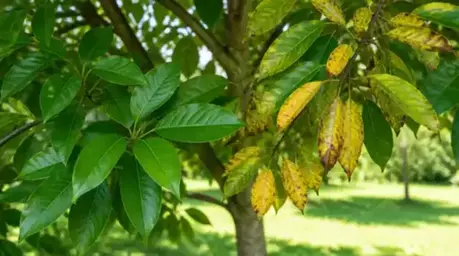
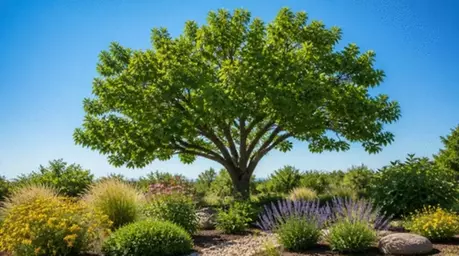
Mature trees play a vital role in increasing property value. Not only do they provide shade and aesthetic appeal, but they also create a sense of stability and maturity in your landscape. Studies show that homes with mature trees can sell for significantly more than those without!
As a tree care expert, I highly recommend selecting tree species that thrive in your area. This way, you’ll not only enhance your property’s beauty but also ensure that your investment continues to grow and flourish over time.
Value Addition from Native Plant Gardens and Water-Efficient Landscaping
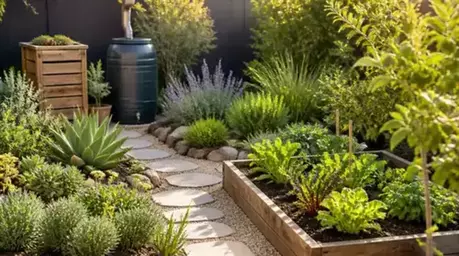
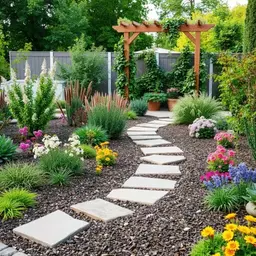
Native plant gardens are another fantastic way to enhance property value. These gardens can attract local wildlife, such as birds and butterflies, while requiring far less water and maintenance. Plus, they are often more resilient to local pests and diseases, making them an eco-friendly choice!
Consider incorporating features like:
- Drought-resistant plants that thrive in your climate.
- Rain gardens that capture and filter stormwater runoff.
- Permeable paving that allows rainwater to seep into the ground.
Impact of Hardscaping Materials on Curb Appeal and Resale Value
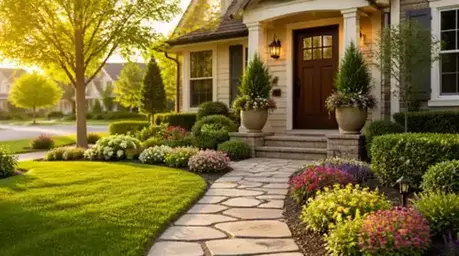
Hardscaping—like patios, walkways, and retaining walls—can significantly improve curb appeal and resale value. Using sustainable materials, such as recycled stone or permeable pavers, not only benefits the environment but also adds a modern touch to your landscape.
When selecting hardscaping materials, consider options that complement your home’s style and surrounding environment. A well-designed hardscape can be a stunning focal point, drawing potential buyers’ attention right away!
Incorporating Green Roofs and Outdoor Living Spaces
Lastly, incorporating green roofs and outdoor living spaces can dramatically enhance your property’s value. Green roofs, filled with vegetation, provide insulation and improve air quality, while outdoor living spaces create inviting areas for relaxation and entertainment.
Imagine hosting friends and family in a beautifully landscaped outdoor area—it’s an experience that buyers will cherish! As I work with clients at Timberline Garden, I encourage them to envision these possibilities and consider how they can maximize their outdoor spaces for both enjoyment and value.
Evaluating ROI and Cost-Benefit Analysis of Sustainable Landscaping
Understanding the Long-Term Financial Implications
When considering sustainable landscaping, it's essential to evaluate the long-term financial implications. While the initial investment may seem daunting, the benefits of lower maintenance costs and increased property value can far outweigh those upfront expenses. Remember, investing in your landscape is investing in your future!
Take the time to calculate potential returns on your investment, and you'll see how sustainable choices lead to profitable outcomes. By understanding the financial dynamics of eco-friendly practices, you can make informed decisions that benefit both your property and the environment.
Maintenance Cost Comparisons: Sustainable vs. Traditional Landscaping
It's also important to compare maintenance costs between sustainable and traditional landscaping. Sustainable landscapes typically require less water, fewer chemical inputs, and less ongoing care, resulting in lower maintenance costs over time. This can be a significant factor for many homeowners, especially those looking to save money in the long run!
Consider keeping a maintenance log to track costs and identify potential savings. This information can be invaluable when assessing the overall value of your investment.
Evaluating the Economic Benefits of Energy-Efficient Landscapes
Last but not least, energy-efficient landscapes can lead to substantial economic benefits. By strategically placing trees and plants, you can reduce energy costs associated with heating and cooling your home. In fact, properly placed trees can lower air conditioning costs by up to 30%!
As you explore ways to enhance your landscape, think about how these energy-efficient features can contribute to your property’s overall value. With the right approach, you can create a beautiful, sustainable landscape that nurtures both your home and the environment! For guidance on professional tree care that supports energy efficiency, refer to our article on professional tree care services explained.
Quick Summary
Here's a brief recap of the key points discussed so far:
- Sustainable landscaping increases property value by enhancing curb appeal and attracting eco-conscious buyers.
- Investing in features like mature trees and native plants can yield a return on investment of up to 20%.
- Homeowners can leverage local incentives and grants to offset costs associated with sustainable landscaping projects.
Frequently Asked Questions About Sustainable Landscaping and Property Value
- Q: How much can sustainable landscaping increase my property's value?
- A: Homes with eco-friendly landscapes can see a value increase of up to 15-20%.
- Q: What are the key benefits of sustainable landscaping for property owners?
- A: Benefits include enhanced curb appeal, increased energy efficiency (e.g., lower AC costs), positive environmental impact, and lower long-term maintenance costs.
- Q: Do properties with sustainable features sell faster?
- A: Yes, properties with well-maintained, sustainable landscapes, especially those with mature trees, can sell faster than those without.
- Q: How do mature trees contribute to property value?
- A: Mature trees provide shade, aesthetic appeal, and a sense of stability, potentially increasing property value by up to 20%.
- Q: Are there any financial incentives for implementing sustainable landscaping?
- A: Yes, many municipalities and organizations offer tax rebates, grants, and discounts on water bills for energy-efficient or drought-tolerant landscaping projects.
Practical Steps for Implementing Sustainable Landscaping
Implementing sustainable landscaping doesn’t have to feel overwhelming! With a few concrete strategies, you can enhance your home’s value while contributing positively to the environment. At Timberline Garden, we believe that everyone can take simple steps to create a more beautiful and sustainable outdoor space. Let’s explore some effective methods together!
Strategies for Enhancing Home Value through Eco-Friendly Practices
Are you ready to make a difference? Here are some practical strategies to get you started:
- Utilize native plants that require less water and maintenance.
- Implement rain gardens to manage stormwater effectively.
- Incorporate composting to enrich your soil naturally.
- Consider installing permeable pavements to reduce runoff.
- Use energy-efficient lighting in your outdoor areas.
Additionally, many homeowners are not aware of the incentives and grants available for sustainable projects. These can significantly reduce your initial costs and enhance your return on investment!
Incentives and Grants for Sustainable Landscaping Projects
As you plan your sustainable landscaping journey, look out for local programs that offer financial benefits. Many municipalities and organizations provide:
- Tax rebates for energy-efficient landscape projects.
- Grants for community gardens and urban forestry initiatives.
- Discounts on water bills for using drought-tolerant plants.
By tapping into these resources, you’ll not only save money but also encourage a greener community. It’s a win-win situation!
Local Climate Considerations and Their Impact on ROI
Your local climate plays a crucial role in determining which sustainable practices will be most effective. For instance, in warmer regions, xeriscaping can drastically reduce water usage. On the other hand, cooler climates may benefit more from energy-efficient designs that enhance warmth during winter months.
Understanding your local climate will help you tailor your landscaping choices to boost your property’s value while promoting sustainability.
Promoting Biodiversity and Soil Health through Sustainable Practices
One of the most impactful changes you can make is promoting biodiversity in your garden! This not only enhances the beauty of your outdoor space but also supports local wildlife. Here are a few ways to foster biodiversity:
- Plant a variety of species to attract different pollinators.
- Create habitats with native shrubs and trees.
- Use organic mulch to protect soil health.
At Timberline Garden, we know that a thriving ecosystem can lead to healthier plants and a more vibrant landscape. Embracing biodiversity truly enhances the overall health of your outdoor environment!
Addressing Regional Variations in Sustainable Landscaping ROI
It's essential to recognize that the return on investment for sustainable landscaping can vary widely based on your region. Let’s dive into how different factors can influence your investment outcomes.
How Different Climate Zones Affect Investment Outcomes
In regions with distinct seasons, such as those with harsh winters or dry summers, certain landscaping practices can yield better results. Consider these elements as you plan:
- Choose low-maintenance, drought-resistant plants in arid areas.
- In colder climates, focus on evergreens that provide year-round appeal.
- In areas with heavy rainfall, incorporate rain gardens to manage excess water.
Understanding your climate will enable you to select the most suitable plants and practices for maximizing your landscaping ROI.
Commercial Property Value Implications of Sustainable Landscaping
Sustainable landscaping isn’t just for residential properties! For commercial properties, the stakes can be even higher. Here’s how sustainable practices can elevate your business’s value:
- Attract customers with appealing green spaces.
- Reduce operational costs through energy-efficient landscaping.
- Enhance employee satisfaction with well-maintained outdoor areas.
As a business owner, investing in sustainable landscaping can significantly impact your bottom line while creating a welcoming environment for both customers and employees!
Leveraging Urban Forestry and Community Gardens for Local Impact
Urban forestry and community gardens are excellent ways to promote sustainability and engage with your community. These initiatives can:
- Improve air quality and provide shade in urban areas.
- Encourage community involvement and education about gardening.
- Increase property values in neighborhoods with green spaces.
By actively participating in these initiatives, you can make a significant local impact while enhancing your property’s appeal. You can also gain valuable insights on urban tree care tips to further improve local green spaces.
Recap of Key Points
Here is a quick recap of the important points discussed in the article:
- Sustainable landscaping enhances property value by promoting biodiversity and conserving resources.
- Curb appeal, energy efficiency, and environmental impact are key metrics that increase property valuation.
- Investing in sustainable landscaping can yield a 15-20% increase in property value and quicker sales.
- Mature trees and native plant gardens significantly enhance property aesthetics and value.
- Incorporating green roofs and outdoor living spaces creates inviting areas that can attract buyers.
- Understanding local climate is crucial for selecting effective sustainable practices that maximize return on investment.
- Take advantage of available incentives and grants for sustainable landscaping projects to lower costs.