By embracing the art of composting, you are not just nurturing your garden; you are also contributing to a more sustainable environment. Did you know that composting can significantly reduce household waste and improve soil health? Dive into the transformative world of composting to discover its multifaceted benefits!
What You Will Learn
- Composting transforms organic waste into nutrient-rich soil, promoting a healthier garden ecosystem.
- Understanding the balance between 'greens' (nitrogen-rich materials) and 'browns' (carbon-rich materials) is crucial for effective composting.
- Regular composting can reduce landfill waste, conserve water, and enhance soil structure, leading to healthier plants.
- Using compost as a soil amendment can dramatically improve soil quality, benefiting both new and established plants.
- Integrating zero-waste practices, such as using kitchen scraps and yard waste, enhances the sustainability of your gardening efforts.
- Compost tea is an excellent way to harness the nutrients in compost, offering an organic liquid fertilizer for your plants.
- Stay informed about upcoming composting regulations and innovations by 2025 to enhance your composting practices.
- Engaging with community resources and workshops can deepen your composting knowledge and connect you with fellow enthusiasts.
- Essential tools like compost bins, pitchforks, and moisture meters can simplify the composting process, making it more effective.
Key Benefits of Composting for Sustainable Gardening
Composting offers a multitude of benefits that enhance both garden health and environmental sustainability, as outlined below, making it a crucial practice for sustainable landscapes.
Reduces Waste
Composting diverts organic materials from landfills, reducing greenhouse gas emissions.
Improves Soil Health
The nutrients in compost enhance soil structure, improve moisture retention, and support beneficial organisms.
Cost-Effective
Using compost instead of chemical fertilizers saves money while ensuring healthy plant growth.
Soil Enrichment
Compost restores depleted soils, making them more fertile and productive for plant growth.
Healthy soil retains moisture better, reducing the need for constant watering.
Composting supports diverse ecosystems by fostering beneficial organisms in enriched soils.
Understanding Composting and Its Role in Garden Sustainability
When it comes to creating a thriving garden, understanding composting is essential for any enthusiast! At Timberline Garden, we believe that composting not only enriches your soil but also plays a critical role in sustainable gardening practices. So, what exactly is composting, and why should you consider it for your outdoor space?
Defining Composting: A Sustainable Gardening Practice
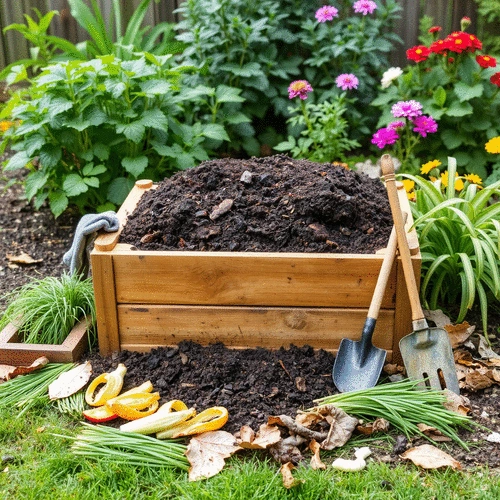
Composting is the process of breaking down organic materials, such as kitchen scraps and yard waste, into a nutrient-rich soil amendment. This natural recycling method mimics the way nature decomposes organic matter. By composting, you can transform your leftover food and garden waste into a valuable resource that benefits your plants and the environment.
So, what types of materials can be composted? Generally, compostable items are categorized into two groups: greens and browns. Greens provide nitrogen and moisture, while browns add carbon and structure. Here’s a quick breakdown:
- Greens: Fruit and vegetable scraps, coffee grounds, grass clippings.
- Browns: Dried leaves, cardboard, paper, and straw.
Benefits of Composting for Eco-Friendly Gardens
The benefits of composting extend far beyond just improving soil health! By composting, you can reduce your household waste, conserve water, and promote a healthier ecosystem. Here are some highlights of why composting is a smart choice for your garden:
- Reduces Waste: Composting diverts organic material from landfills, where it would otherwise contribute to greenhouse gas emissions.
- Improves Soil Health: The nutrients in compost enhance soil structure, improve moisture retention, and support beneficial microorganisms.
- Cost-Effective: By using compost instead of chemical fertilizers, you save money while ensuring your plants thrive.
Environmental Benefits of Composting
Composting is not just about feeding your plants; it’s about nurturing our planet too! When you compost, you contribute to a more sustainable environment. Here are some environmental benefits to consider:
- Soil Enrichment: Compost helps restore depleted soils, making them more fertile and productive.
- Water Conservation: Healthy soil retains moisture better, reducing the need for frequent watering.
- Biodiversity Promotion: Composting supports diverse ecosystems by fostering beneficial organisms that thrive in enriched soils.
Incorporating composting into your gardening routine is a fantastic step towards sustainability. By choosing to compost, you're not only improving your garden but also making a positive impact on the environment around you. At Timberline Garden, we’re excited to guide you through this rewarding journey towards a more eco-friendly garden!
Quick Summary
Here's a brief recap of the key points discussed so far:
- Composting transforms organic waste into nutrient-rich soil, benefiting both your garden and the environment.
- Key benefits of composting include waste reduction, improved soil health, and cost savings.
- Using compost in your garden enhances soil structure and moisture retention, leading to healthier plants.
- Integrating composting with zero-waste practices can save money and maximize resources.
Maximizing the Benefits of Your Compost in the Garden
Once you've created your compost, the next step is to make the most of it in your garden! Using compost as a soil amendment can dramatically improve the quality of your soil, helping your plants thrive. Imagine how your garden can flourish with nutrient-rich compost that enhances soil structure and boosts moisture retention! For more information on nurturing your garden, explore our guide on organic tips for lawn health.
The best way to incorporate compost into your garden is to mix it into the top layer of soil before planting. This method helps the nutrients seep into the soil, offering a great foundation for new plants. Plus, if you have existing plants, simply spreading a layer of compost around their base can provide a nourishing boost. Isn’t that easy?
How to Use Compost as a Soil Amendment
Using compost as a soil amendment is both straightforward and effective. By enriching your garden soil, you provide essential nutrients that promote healthy growth. Here are some practical ways to incorporate compost effectively:
- Mix with Garden Soil: Blend compost into your garden beds to enhance nutrient content.
- Top-Dress Existing Gardens: Spread a thin layer around established plants to improve soil health.
- Prepare Seed Beds: Combine compost with soil when starting new seeds for better germination.
- Enhance Container Plants: Use compost in potting mixes for indoor or outdoor plants.
As you can see, compost is versatile and can easily be adapted to various gardening situations. Remember, a little goes a long way towards creating a thriving garden ecosystem!
Integrating Composting with Zero-Waste Gardening Practices
Integrating composting with zero-waste gardening practices is not only beneficial for the environment, but it can also help you save money in the long run! By reducing waste and creating a closed-loop system, you can enhance the sustainability of your garden. Here are some ideas to get you started:
- Use Kitchen Scraps: Add fruit and vegetable scraps to your compost bin rather than throwing them away.
- Collect Yard Waste: Grass clippings, leaves, and small branches can contribute to your compost pile.
- Repurpose Containers: Use old pots or containers as compost bins to maximize available resources.
- Share with Neighbors: Exchange compost materials with neighbors to diversify your compost ingredients.
By embracing these zero-waste practices, you can create a beautiful garden while minimizing your environmental impact. As someone deeply invested in sustainable gardening, I can attest to the satisfaction of seeing your efforts translate into a lush, healthy outdoor space!
Utilizing Compost Tea for Soil Health
Have you ever heard of compost tea? It’s a fantastic way to harness the power of your compost! This nutrient-rich liquid is made by steeping compost in water, allowing beneficial microbes and nutrients to leach into the water. The result? A powerful, organic liquid fertilizer for your plants!
To make compost tea, you can follow these simple steps:
- Fill a bucket with water and add a mesh bag filled with compost.
- Let it steep for 24 to 48 hours, stirring occasionally.
- Remove the bag and dilute the liquid if necessary, then apply it to your plants.
This tea can be sprayed directly on leaves or poured around the base of your plants. It's a great way to boost soil health, improve plant growth, and manage pests naturally. Trust me, once you start using compost tea, your plants will thank you!
Future of Composting: Regulations and Innovations
As we look to the future, composting is becoming more prominent in sustainable practices, with new regulations expected by 2025. These changes aim to encourage more people to adopt composting, ultimately reducing landfill waste and improving soil health. Keeping an eye on these updates can help you stay informed and compliant!
Understanding Upcoming Composting Regulations by 2025
By 2025, many areas are likely to adopt new composting regulations that encourage organic waste recycling. This means that municipalities may implement more programs to support composting initiatives. Here are some potential changes to look out for:
- Mandatory Composting Programs: Some regions may require organic waste to be composted instead of sent to landfills.
- Increased Access to Composting Facilities: Expect more community composting options and resources.
- Incentives for Home Composters: Look for potential tax breaks or subsidies for those who compost at home.
Staying abreast of these regulations can enhance your composting efforts and encourage others to follow suit!
Leveraging Technology: AI and Voice Search Optimization for Composting FAQs
In our digital age, technology plays a significant role in how we learn and share information about composting. AI and voice search are becoming increasingly popular for answering common composting questions. By using these technologies, aspiring composters can find reliable answers quickly!
To make the most of this trend, consider the following tips:
- Use Voice Search: Ask your smart device about composting questions for instant answers!
- Engage with Online Communities: Join forums and social media groups dedicated to composting.
- Stay Updated: Follow blogs and websites like Timberline Garden for the latest composting tips and innovations.
By leveraging these resources, you'll be well-equipped to enhance your composting knowledge and practices!
Engagement and Next Steps for Aspiring Composters
As you embark on your composting journey, getting involved with the community and learning from others can make all the difference! By sharing experiences and gathering insights, you'll find yourself becoming more confident in your composting skills. Let’s explore how you can connect with fellow composters!
Case Studies and Testimonials from Successful Composters
Reading about others' composting success stories can be incredibly motivating. Here are some examples of what fellow gardeners have achieved:
- Community Gardens: Many urban areas have seen a boost in local gardens through communal composting efforts.
- Small Business Initiatives: Some businesses have found creative ways to recycle food waste while engaging customers.
- Home Composting Transformations: Many homeowners have turned their backyards into thriving ecosystems through diligent composting.
These stories highlight how composting can lead to positive changes, encouraging you to keep pushing forward!
Resources for Ongoing Composting Education and Community Engagement
To continue your composting education, there are several resources available. Engaging with these can deepen your understanding and keep you excited about your composting journey:
- Local Workshops: Check with gardening centers and community colleges for composting classes.
- Online Courses: Numerous websites offer comprehensive guides and courses on composting techniques.
- Books and Articles: Dive into literature that focuses on organic gardening and sustainable practices.
Investing time in education will not only enhance your skills but also inspire you to share your knowledge with others, perhaps even in discussions about sustainable tree care for homeowners!
Essential Composting Tools for Home Gardening
Finally, having the right tools can simplify the composting process. Here’s a short list of essentials to get you started:
- Compost Bin: Choose a sturdy bin that suits your space.
- Pitchfork or Shovel: For aerating and turning compost.
- Thermometer: Monitoring temperature helps ensure proper decomposition.
- Moisture Meter: To keep track of moisture levels within your compost.
These tools will support your composting efforts, making it an enjoyable and fruitful experience. With the right knowledge and resources, you're well on your way to becoming a successful composter! If you're also considering professional help, remember that professional tree care services explained can offer valuable insights into maintaining a healthy garden ecosystem.
Recap of Key Points
Here is a quick recap of the important points discussed in the article:
- Composting Defined: Composting is the natural recycling of organic materials into a nutrient-rich soil amendment, benefiting both plants and the environment.
- Types of Compostable Materials: Composting materials are categorized into greens (nitrogen-rich items like vegetable scraps) and browns (carbon-rich items like dried leaves).
- Benefits of Composting: Composting reduces waste, improves soil health, and is cost-effective compared to chemical fertilizers.
- Environmental Impact: Composting enriches soil, conserves water, and promotes biodiversity, contributing to a healthier ecosystem.
- Using Compost in Gardens: Effectively incorporate compost by mixing it into soil, top-dressing existing plants, and enhancing seed beds.
- Zero-Waste Practices: Utilize kitchen scraps and yard waste for composting and engage with neighbors to diversify compost materials.
- Compost Tea: This nutrient-rich liquid fertilizer is made by steeping compost in water, providing an excellent boost for plant growth.
- Future of Composting: Stay informed about upcoming regulations and technological advancements that may enhance composting initiatives.
- Community Engagement: Connect with fellow composters through workshops, online courses, and local resources to share knowledge and experiences.
Frequently Asked Questions About Composting
What is composting and why is it important for gardening?
Composting is the natural process of recycling organic matter, such as leaves and food scraps, into a rich soil amendment called compost. It's important for gardening because it enriches soil, improves soil structure, reduces waste, conserves water, and provides a cost-effective alternative to chemical fertilizers.
What are "greens" and "browns" in composting?
"Greens" are nitrogen-rich materials like fruit and vegetable scraps, coffee grounds, and grass clippings, which provide moisture and nitrogen. "Browns" are carbon-rich materials such as dried leaves, cardboard, paper, and straw, which add structure and carbon to the compost pile. A good balance of both is crucial for effective composting.
How does composting reduce household waste?
Composting diverts organic materials, like kitchen and yard waste, from landfills. When organic waste decomposes in landfills, it produces methane, a potent greenhouse gas. By composting, you reduce landfill volume and mitigate greenhouse gas emissions.
Can compost improve soil health and water conservation?
Yes, compost significantly improves soil health by adding essential nutrients, enhancing soil structure, and increasing its ability to retain moisture. This leads to healthier plants and can reduce the need for frequent watering, thus conserving water.
What is compost tea and how is it used?
Compost tea is a liquid fertilizer made by steeping finished compost in water, which extracts beneficial microbes and nutrients. It can be sprayed directly onto plant leaves or poured around the base of plants to provide a natural nutrient boost, promote growth, and help manage pests.
What tools are essential for home composting?
Essential tools for home composting include a sturdy compost bin, a pitchfork or shovel for turning and aerating the compost, a thermometer to monitor temperature for optimal decomposition, and a moisture meter to ensure appropriate moisture levels.