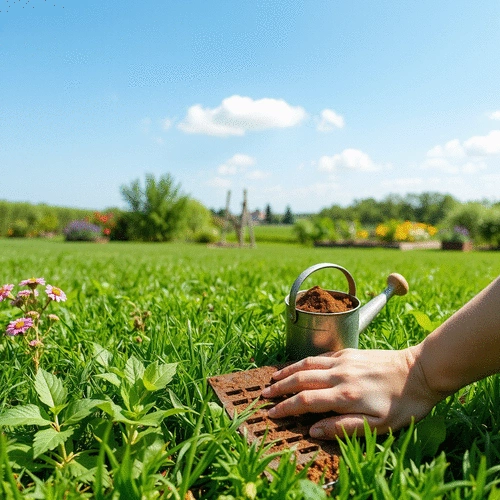
Did you know that by choosing organic lawn care, you can significantly improve not only your lawn's health but also contribute to a healthier planet? With simple changes in your gardening practices, you can enhance your outdoor space while nurturing the environment. This article delves into the myriad benefits of organic lawn care and why it’s an essential practice for eco-conscious homeowners.
What You Will Learn
- Organic lawn care reduces exposure to harmful chemicals, promoting better air and soil quality for you and your family.
- Implementing organic practices leads to healthier soil, which retains moisture better and reduces the need for frequent watering.
- Adopting organic methods fosters biodiversity, supporting beneficial insects and pollinators crucial for the ecosystem.
- Organic lawn care can lead to long-term cost savings through lower water usage and reduced maintenance expenses.
- Healthier lawns created through organic practices can resist diseases better, requiring less intervention with chemicals.
- By going organic, you contribute to a sustainable future, enhancing local ecosystems and improving community health.
- Organic lawn care practices help lower greenhouse gas emissions associated with synthetic fertilizers, reducing your carbon footprint.
Key Benefits of Organic Lawn Care
Discover the various impacts of organic lawn care practices on health, environment, and cost savings illustrated below. To learn more about creating an eco-friendly outdoor space, explore our guide on building a sustainable landscape design.
Health Benefits
Reduced exposure to chemicals improves air and soil quality.
Environmental Impact
Organic practices promote natural biodiversity.
Cost Savings
Lower water usage and less frequent applications save money.
Soil Health
Organic practices enrich the soil with nutrients.
Water Retention
Healthier soil retains moisture better, reducing watering frequency.
Pollution Reduction
Using organic fertilizers minimizes runoff into local waterways.
Understanding the Importance of Organic Lawn Care for Eco-Friendly Yards
When it comes to creating a thriving outdoor space, organic lawn care is truly at the forefront. By choosing organic methods, you're not only enhancing the look of your yard but also contributing positively to your health and the environment. Think about it: when you go organic, you reduce exposure to harmful chemicals, which means a safer space for you, your family, and even your pets!
In fact, the benefits of organic lawn care extend far beyond aesthetics. By adopting these sustainable practices, you can enjoy long-term cost savings while nurturing a vibrant ecosystem right in your backyard. It’s amazing how simple changes can lead to healthier soil, reduced water usage, and lower maintenance costs!
- Health Benefits: Reduced exposure to chemicals improves air and soil quality.
- Environmental Impact: Organic practices promote natural biodiversity.
- Cost Savings: Lower water usage and less frequent applications save money.
Exploring the Benefits of Organic Lawn Care
Organic lawn care is not just a trend; it’s a lifestyle choice that yields numerous benefits. For starters, these practices lead to healthier lawns that require fewer resources. Imagine walking barefoot on a lush, green lawn, knowing it's free from toxic chemicals! That's the kind of peace of mind organic care provides.
Moreover, organic methods help foster a balanced ecosystem. They support beneficial insects and pollinators like bees and butterflies, which are crucial for our environment. By nurturing these little champions, you’re playing a part in maintaining biodiversity in your community. For further insights into how plants contribute to a healthy ecosystem, consider reading about native plants for sustainable landscapes.
- Improved Soil Health: Organic practices enrich the soil with nutrients.
- Enhanced Water Retention: Healthier soil retains moisture better, reducing the need for frequent watering.
- Reduced Pollution: Using organic fertilizers minimizes runoff into local waterways.
How Organic Lawn Care Contributes to Sustainability
At Timberline Garden, we believe that every lawn can make a difference! By implementing organic practices, you are contributing to a more sustainable future. One key aspect of this approach is its focus on promoting biodiversity. This means creating environments where various species can thrive, from plants to insects.
Additionally, organic lawn care supports local ecosystems by enhancing the soil's health. Healthy soil acts as a vibrant community of microorganisms, which break down organic matter and make nutrients available for plants. When you care for your lawn organically, you nurture this essential foundation of life!
- Promotes Biodiversity: Encourages a wide range of plant and animal life.
- Supports Local Ecosystems: Healthy soil leads to better water quality and plant growth.
- Reduces Carbon Footprint: Organic practices lower greenhouse gas emissions associated with synthetic fertilizers.
Pro Tip
Did you know? Incorporating native plants into your organic lawn care strategy can significantly enhance biodiversity in your yard. Native plants are adapted to your local climate and soil conditions, making them easier to maintain and more beneficial for local wildlife. Consider replacing some of your traditional grass with native flowering plants or shrubs to attract pollinators and beneficial insects!
Summarizing the Impact of Organic Lawn Care on the Environment
As we look at the bigger picture, it’s clear that organic lawn care has a profound impact on our environment. By adopting these sustainable practices, we not only improve the health of our lawns but also contribute positively to our local ecosystems. Think about it: healthier soil leads to stronger plants, which can resist diseases better and require less water! Plus, organic methods often result in reduced chemical runoff, protecting nearby waterways and wildlife.
One of the significant long-term benefits of organic practices is cost savings. While the initial investment may be a bit higher due to natural products, the long-term efficiency can actually lower your overall maintenance costs. For instance, healthy soil retains moisture better, reducing your water bills, and resilient plants can withstand pests without the need for constant chemical treatments.
- Improved biodiversity: Organic practices encourage a diverse range of plants and organisms.
- Reduced chemical exposure: Limit harmful chemicals that can affect your family and pets.
- Enhanced soil health: Organic matter improves soil structure and nutrient content.
- Better water conservation: Healthier soil holds moisture, reducing the need for irrigation.
Long-Term Benefits of Sustainable Lawn Practices
In a world that’s increasingly focused on sustainability, the importance of organic lawn care cannot be overstated. By making the switch, you’re not just enhancing your own yard; you’re also contributing to a healthier planet. This commitment to eco-friendly landscaping aligns with my mission at Timberline Garden to empower individuals to create beautiful, sustainable outdoor spaces. Imagine your lawn as part of a larger effort to promote environmental stewardship!
Additionally, organic lawn care practices support community health. When more homeowners shift to organic methods, we collectively reduce the environmental footprint of our neighborhoods. This ripple effect can lead to cleaner air, better water quality, and a safer habitat for local wildlife. It's a win-win for everyone involved!
Call to Action: Start Your Organic Lawn Care Journey Today
Are you ready to embrace the benefits of organic lawn care? The journey begins with understanding and utilizing the right resources. At Timberline Garden, we’ve compiled a selection of valuable tools and educational materials to help you kickstart your organic lawn care adventure. Whether you’re looking for checklists, infographics, or articles, there’s something for everyone!
- Download our organic lawn care checklist to keep your practices in check!
- Explore our infographic on sustainable lawn care for a visual guide.
- Read our latest articles on effective organic methods to deepen your knowledge.
Resources for Further Learning and Engagement
Connecting with others who share your passion for sustainable lawn care can be incredibly rewarding. I encourage you to seek out local groups focused on organic practices. These organizations often host workshops, provide expert advice, and foster a sense of community among like-minded individuals. Remember, each small step contributes to a larger movement towards a greener planet!
As you embark on your organic lawn care journey, remember that you’re part of a growing community striving for better environmental outcomes. So, let’s get started today and transform our lawns into vibrant, sustainable spaces! Together, we can make a significant impact! For additional guidance on maintaining various aspects of your landscape, consider our resources on professional tree care services explained.
Frequently Asked Questions (FAQs) About Organic Lawn Care
Recap of Key Points
Here is a quick recap of the important points discussed in the article:
- Health Benefits: Organic lawn care reduces exposure to harmful chemicals, improving air and soil quality.
- Environmental Impact: Promotes biodiversity by supporting beneficial insects and plants.
- Cost Savings: Lower water usage and reduced need for chemical treatments lead to long-term savings.
- Soil Health: Organic practices enrich soil with nutrients, enhancing its structure and moisture retention.
- Sustainability: Organic care contributes to local ecosystems and reduces carbon footprints by minimizing synthetic fertilizer use.
- Community Health: A collective shift towards organic methods leads to cleaner air and better water quality.