Ever wondered how a simple layer of mulch can completely transform your garden? This often-overlooked element plays a crucial role in not only enhancing aesthetics but also ensuring the health and vitality of your plants. Let’s delve into the essential benefits and best practices of using mulch in your landscaping toolkit.
What You Will Learn
- Moisture Retention: Discover how mulch helps keep soil moist, reducing evaporation and stress on plants during dry spells.
- Soil Enrichment: Learn how organic mulches break down over time, enriching the soil and promoting healthier plant growth.
- Weed Control: Understand how a thick layer of mulch can suppress weeds, saving you time and effort in garden maintenance.
- Erosion Prevention: Explore how mulch protects soil from erosion and moderates temperature, benefiting plant roots.
- Choosing the Right Type: Gain insights into selecting the most suitable mulch for different landscaping needs, including bark, wood chips, and compost.
- Creating Effective Mulch Rings: Learn the proper technique to apply mulch around trees to enhance moisture retention and prevent decay.
- Common Mistakes: Identify frequent pitfalls like mulch volcanoes and over-mulching to keep your plants healthy.
- Seasonal Maintenance Tips: Discover how to maintain your mulch for longevity and aesthetic appeal throughout the year.
Comparative Analysis of Mulch Types
The effectiveness of different mulch types can be summarized across key benefits. Below is a visual representation of the core characteristics of Bark Mulch, Wood Chips, and Compost. Understanding these differences is key to mulch for sustainable gardens.
Bark Mulch
- Moisture Retention: Excellent
- Soil Enrichment: Gradual
- Weed Control: Strong
- Durability: Long-lasting
- Best Use: Around trees and shrubs
Wood Chips
- Moisture Retention: Moderate
- Soil Enrichment: Fast
- Weed Control: Moderate
- Durability: Shorter lifespan
- Best Use: Paths and decorative areas
Compost
- Moisture Retention: Excellent
- Soil Enrichment: Immediate
- Weed Control: Minimal
- Durability: Decomposes quickly
- Best Use: Vegetable gardens
Understanding the Role of Mulch in Landscaping Projects
When we think about landscaping, *mulch* often doesn't get the attention it deserves! However, its role is fundamental in ensuring our plants thrive and our landscapes look their best. At Timberline Garden, I’ve seen firsthand how much of a difference mulch can make in any project. Let’s explore how mulch can transform your outdoor space and why it should be a staple in your landscaping toolkit.
The Core Benefits of Using Mulch
Mulch serves several vital purposes in landscaping. Here are some of the top benefits you can expect when using it:
- Moisture Retention: Mulch helps keep the soil moist by reducing evaporation, which is especially important during hot summer months.
- Soil Health: Over time, organic mulches break down and enrich the soil with nutrients, promoting healthier plant growth.
- Weed Suppression: A thick layer of mulch acts as a barrier, preventing weeds from taking over your garden.
- Aesthetic Appeal: Mulch adds a polished look to your landscaping, enhancing the overall design.
Moisture Retention and Soil Health
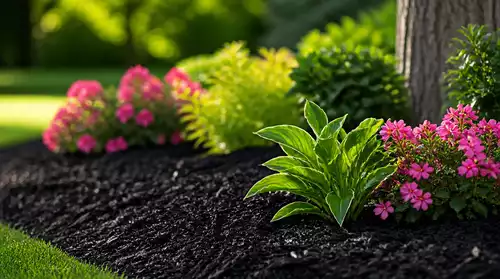
One of the most significant advantages of mulch is its ability to retain moisture in the soil. Think of it as a protective blanket for your plants! By keeping the soil cool and damp, mulch helps reduce the stress on your plants during dry spells. Additionally, as organic mulch decomposes, it *enriches* the soil with vital nutrients that plants need to thrive, contributing to overall soil health essential for landscapes.
Weed Suppression: A Natural Defense
Weeds can be a gardener's worst enemy! Luckily, mulch provides excellent weed control by blocking sunlight and preventing weed seeds from germinating. By applying a thick layer of mulch around your plants, you can significantly reduce the need for manual weeding, saving you time and effort!
Erosion Control and Temperature Moderation
Mulch is also incredibly effective in controlling soil erosion. When rain falls, mulch absorbs and slows down the water flow, preventing soil washout. Moreover, it helps maintain a consistent soil temperature, protecting roots from extreme heat or cold. This stability is crucial for plant health.
Aesthetic Enhancements for Landscape Design
On a personal note, I love how mulch can enhance the overall look of a garden! Its texture and color can complement your plants and *add charm* to your landscape. By choosing the right type of mulch, you can create a cohesive and inviting outdoor space that reflects your personality and style.
Choosing the Right Mulch for Your Landscape
Now that we understand the benefits of mulch, the next step is choosing the right kind for your project. With various options available, it can be a bit overwhelming. But don't worry! I’m here to help break it down for you.
Comparing Mulch Types: Bark, Wood Chips, and Compost
Each type of mulch has its own unique features and advantages. Here’s a quick comparison:
- Bark Mulch: Great for moisture retention and long-lasting; perfect for flower beds and trees.
- Wood Chips: Ideal for pathways and decorative areas; they decompose faster than bark.
- Compost: Excellent for improving soil quality; it breaks down quickly and can be mixed into the soil.
Understanding the Differences in Texture and Composition
The texture of mulch can affect not only its appearance but also its functionality. For example, bark mulch offers a chunky texture that allows for good air circulation in the soil, while wood chips are finer and may compact over time. When choosing mulch, consider how each type will work with your plants and overall design.
Best Use Cases for Each Mulch Type
It's essential to match the right mulch type to your landscaping needs. Here are some suggestions for best use:
- Bark Mulch: Use it around trees and shrubs for moisture and weed control.
- Wood Chips: Great for creating garden paths or around flower beds.
- Compost: Perfect for vegetable gardens to enrich soil while suppressing weeds.
Exploring Organic and Inorganic Mulch Options
Mulch can be categorized into two main types: organic and inorganic. Each has its own set of benefits and considerations that should be weighed based on your specific garden needs.
Benefits and Drawbacks of Organic Mulch
Organic mulch, such as shredded bark or straw, has numerous benefits! It improves soil structure and provides nutrients. However, keep in mind that it decomposes over time and may require replenishment.
Understanding Inorganic Mulch Materials
On the other hand, inorganic mulches like gravel or landscape fabric are long-lasting and won’t break down. They are excellent for low-maintenance gardens, but they don’t enhance soil fertility. Think about your garden's specific needs when deciding!
Regional and Climate Considerations
Your local climate plays a significant role in determining the best mulch for your landscape. Different regions have different weather patterns, which can affect how mulch performs.
Adapting Mulch Use for Hot and Dry Climates
In hot, dry areas, mulch is crucial for retaining moisture. Consider using a thicker layer of organic mulch to keep your plants cool and hydrated. This way, they can thrive even in the heat!
Managing Mulch in Areas with Heavy Rainfall or Freeze-Thaw Cycles
If you live in an area with heavy rainfall, be cautious about using organic mulch that can wash away. Opt for heavier materials like stone or gravel for stability. For freeze-thaw cycles, using mulch can help moderate soil temperature, protecting plant roots during extreme changes. For comprehensive care, consider professional tree care services.
Quick Summary
Here's a brief recap of the key points discussed so far:
- Moisture Retention: Mulch helps maintain soil moisture, crucial during dry seasons.
- Weed Suppression: A thick layer of mulch prevents weeds from germinating, reducing maintenance efforts.
- Aesthetic Appeal: Mulch enhances the visual appeal of your landscaping, adding texture and color.
- Soil Health: Organic mulches enrich the soil as they decompose, promoting healthier plants.
Applying Mulch Effectively Around Trees
When it comes to caring for your trees, applying mulch is a smart move! Properly placed mulch can provide numerous benefits, but it’s essential to do it right. One of the most effective ways to enhance your landscape is by creating mulch rings around your trees. This not only preserves moisture and nutrients but also helps in creating a healthy environment for your trees to thrive.
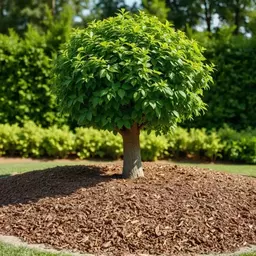
Let’s dive into how to create safe and effective mulch rings. By keeping the mulch away from the tree trunks, you can prevent moisture buildup that can lead to rot. Remember, it’s all about finding that sweet spot! A mulch ring of about 2-4 inches deep is generally ideal, so let’s explore why this is important.
Creating Safe and Effective Mulch Rings
One of the biggest mistakes I’ve seen is piling mulch directly against tree trunks, often referred to as a “mulch volcano.” This can suffocate the tree, leading to decay and pest problems. To avoid this, aim to keep the mulch at least a few inches away from the trunk. Not only does this help in maintaining airflow, but it also encourages healthy root growth! This practice is crucial for mulch benefits for tree growth.
- Keep mulch 3-6 inches from the tree base.
- Form a circular ring around the tree, extending out to the drip line.
- Use organic mulch like bark or wood chips for best results.
Creating a well-defined mulch ring not only benefits your trees but also adds visual appeal to your landscape. It’s a simple yet effective way to enhance your garden! Regularly checking your mulch ring can also help keep your trees healthy and vibrant.
Seasonal Maintenance: Ensuring Longevity
Now that you've set up your mulch rings, it’s time to think about maintenance! Like any part of your garden, mulch requires a little TLC to perform its best. Refreshing and fluffing the mulch not only keeps it looking fresh but also maintains its ability to retain moisture and suppress weeds.
Throughout the year, managing weeds and debris in your mulch area is crucial. Weeds can compete with your trees for nutrients, so here are a few tips to keep them at bay:
- Regularly inspect your mulch rings for weed growth.
- Remove any debris to prevent unwanted pests.
- Consider adding a fresh layer of mulch at least once a year.
By implementing these maintenance steps, your trees will thrive while looking beautiful in your landscape. Plus, visiting Timberline Garden for tips on the best mulch types can make your gardening journey even easier!
Common Mistakes to Avoid When Using Mulch
Even the most experienced gardeners can make mistakes when it comes to mulching. Let’s take a moment to discuss some common pitfalls and how you can avoid them for a healthier landscape. Understanding and correcting mulch volcanoes is essential to ensuring the longevity and health of your trees.
Another common issue is over-mulching, where too much mulch is added to an area. This can suffocate roots and lead to various problems, including reduced nutrient absorption. Keeping an eye on the amount of mulch you use can greatly affect your plant's health!
Understanding and Correcting Mulch Volcanoes
So, what exactly is a mulch volcano? Simply put, it’s when mulch is piled high around the base of a tree, creating a hill-like structure. This can cause serious harm to your tree over time. To tackle this issue, start by:
- Removing excess mulch from around the trunk.
- Properly reshaping the mulch into a ring.
- Monitoring the depth regularly to ensure it stays within the recommended range.
By taking these steps, you can help maintain a healthy environment for your trees while keeping your landscape looking its best!
FAQs: Answers to Common Mulching Questions
As we wrap up this section on mulching, let’s address some frequently asked questions. These insights can help clarify any lingering doubts you might have:
How Much Mulch Do I Need for My Landscaping Project?
The amount of mulch you need depends on the area you're covering. A general rule of thumb is to aim for a depth of 2-4 inches, which allows for optimal moisture retention and weed suppression. Measure the area in square feet and convert that to the cubic yards needed for your project!
Can Mulch Touch Tree Trunks?
It’s best to keep mulch a few inches away from the tree trunk to avoid moisture buildup and potential decay. Remember, your trees need breathing room to thrive!
What Are the Best Types of Mulch for Different Scenarios?
Choosing the right mulch can depend on various factors, including aesthetics and functionality. Here are some suggestions:
- Wood chips - Great for pathways and garden beds.
- Bark mulch - Ideal for moisture retention around trees.
- Compost - Excellent for enriching garden soil.
What Are the Advantages of Using Decorative Mulch?
Decorative mulch not only improves the visual appeal of your landscape but can also provide practical benefits. It can suppress weeds, retain moisture, and even deter pests! With a range of colors and materials available, you can find the perfect match for your outdoor space.
How often should I replenish organic mulch?
Organic mulch typically needs to be replenished once a year, usually in the spring, as it decomposes and enriches the soil. However, this can vary depending on the type of mulch and local climate conditions.
What is the ideal depth for mulch application?
For most landscaping purposes, an ideal mulch depth of 2-4 inches is recommended. This depth is sufficient for moisture retention, weed suppression, and temperature moderation without suffocating plants or promoting rot.
Can mulch attract pests?
While mulch generally benefits your garden, excessively thick layers or mulch piled against tree trunks (mulch volcanoes) can create moist environments that attract certain pests like rodents or insects. Proper application helps mitigate this risk.
Is there a difference between bark mulch and wood chips?
Yes, bark mulch typically comes from the bark of trees and is known for its excellent moisture retention and longer lifespan. Wood chips are made from whole trees or branches, decompose faster, and are often used for paths or decorative areas. Both are organic mulches with distinct benefits.
Conclusion: Maximizing the Benefits of Mulch in Your Landscaping Projects
As we conclude, remember that mulching is a straightforward yet essential part of maintaining a healthy and beautiful landscape. By applying the best practices we've discussed, you can maximize the benefits of mulch and create a thriving environment for your plants. Let's foster a community of sustainable landscaping choices through thoughtful mulching!
At Timberline Garden, we believe that a healthy landscape reflects our care for the environment. So, let’s keep our gardens beautiful together! For more tips on maintaining a vibrant outdoor space, consider our guide on year-round garden landscaping tips.
Recap of Key Points
Here is a quick recap of the important points discussed in the article:
- Moisture Retention: Mulch retains soil moisture, which is vital during dry spells.
- Soil Enrichment: Organic mulches break down to enrich the soil with nutrients over time.
- Weed Control: A thick mulch layer suppresses weed growth by blocking sunlight.
- Erosion Prevention: Mulch helps control soil erosion by absorbing rainwater impact.
- Aesthetic Value: Different types of mulch enhance the visual appeal of your landscape.
- Choosing the Right Type: Select mulch based on your specific landscaping needs (e.g., bark for trees, compost for gardens).
- Proper Application: Create mulch rings around trees, keeping mulch away from the trunk to prevent rot.
- Seasonal Maintenance: Regularly refresh mulch and check for weeds to maintain a healthy landscape.
- Avoiding Mistakes: Be cautious of over-mulching and “mulch volcanoes” to protect plant health.