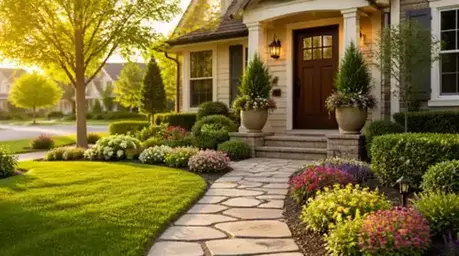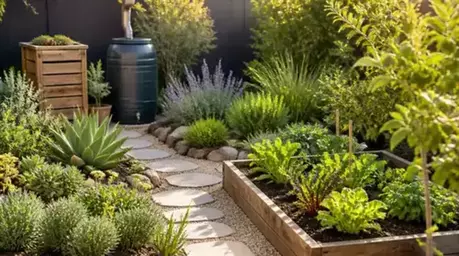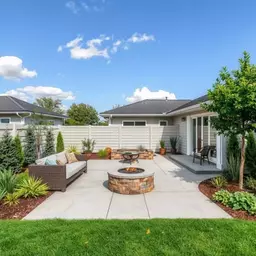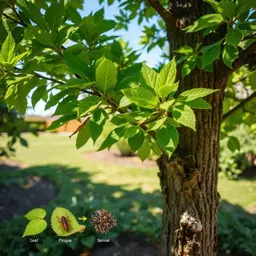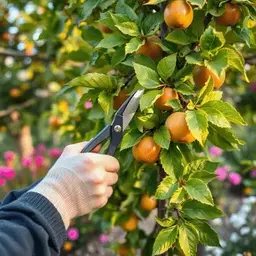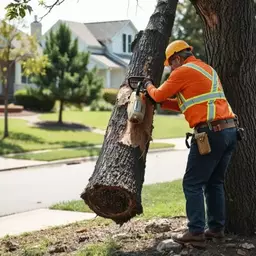
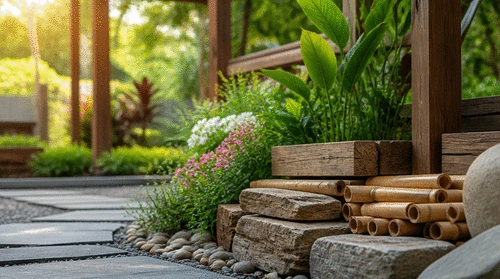
Did you know that eco-friendly landscaping can significantly enhance both your outdoor aesthetics and our planet's health? By choosing sustainable practices and materials, you can create a beautiful yard that supports biodiversity and conserves resources.
What You Will Learn
- Understanding eco-friendly landscaping involves making choices that benefit both your yard and the environment, including using native plants and sustainable materials.
- Prioritizing sustainable options in landscaping can lead to environmental conservation, improved air and soil quality, and potential cost savings on maintenance and water bills.
- Key factors for selecting eco-friendly materials include considering material categories, assessing performance and longevity, and understanding local conditions.
- When sourcing materials, it's essential to choose local suppliers who prioritize sustainability, as they can reduce transport emissions and provide insights on suitable options for your area.
- Look for certifications like FSC, LEED, and USDA Organic to ensure that landscaping materials meet specific sustainability standards, enhancing project integrity and environmental impact.
Key Reasons for Choosing Eco-Friendly Landscaping Materials
Understanding the advantages of eco-friendly landscaping can guide your choices for a healthier planet. For more insights on how to create a harmonious outdoor space, consider building a sustainable landscape design that integrates these principles effectively.
Environmental Conservation
Using sustainable materials helps protect our natural resources.
Health Benefits
Eco-friendly practices promote cleaner air and healthier soil.
Cost-Effectiveness
Many sustainable options can lead to savings on maintenance and water bills.
Supporting Local Economies
Your purchase helps local businesses thrive, which is a win-win!
Understanding Eco-Friendly Landscaping Materials
When it comes to creating a beautiful outdoor space, using eco-friendly landscaping materials can make a significant difference. At Timberline Garden, we believe that sustainable practices not only enhance the aesthetics of your property but also contribute positively to the environment. Let’s start by diving into what defines eco-friendly landscaping and why it’s so important for our planet.
Defining Eco-Friendly Landscaping
Eco-friendly landscaping is all about making choices that benefit both your yard and the environment. This involves using materials and practices that conserve resources, reduce waste, and promote biodiversity. For instance, selecting native plants that thrive in your local climate helps support local wildlife while requiring less water and maintenance.
Moreover, eco-friendly landscaping emphasizes the use of sustainable materials. This can include items like recycled stones, reclaimed wood, and organic fertilizers. By choosing these materials, you can create a thriving landscape that reflects your commitment to the earth! If you're interested in incorporating more greenery, explore our guide on native plants for sustainable landscapes.
Importance of Sustainable Choices in Landscaping
Why is it crucial to make sustainable choices in landscaping? The impact of our decisions extends beyond aesthetics. Here are a few key reasons why we should prioritize eco-friendly options:
- Environmental Conservation: Using sustainable materials helps protect our natural resources.
- Health Benefits: Eco-friendly practices promote cleaner air and healthier soil.
- Cost-Effectiveness: Many sustainable options can lead to savings on maintenance and water bills.
At Timberline Garden, we are passionate about sharing knowledge on how you can embrace these sustainable choices. Each small action contributes to a larger change, fostering a healthier planet for future generations.
Key Factors for Selecting Eco-Friendly Materials
Choosing the right materials for your landscape can be overwhelming, but understanding key factors can simplify the process. Here’s what to consider when selecting eco-friendly materials:
- Material Categories: Consider the types of materials available, such as recycled, organic, and sustainable hardscapes.
- Performance and Longevity: Assess how long materials will last and their maintenance requirements.
- Local Conditions: Understand your soil type and climate to make informed choices.
By carefully evaluating these factors, you can make informed decisions that not only beautify your landscape but also respect the environment. Let’s take a closer look at each of these categories in the next sections!
Quick Summary
Here's a brief recap of the key points discussed so far:
- Eco-friendly landscaping involves sustainable practices that benefit both aesthetics and the environment.
- Choosing native plants and sustainable materials conserves resources and promotes local biodiversity.
- Key factors for selecting eco-friendly materials include understanding material categories, performance, and local conditions.
Practical Sourcing and Verification Tips
When it comes to eco-friendly landscaping, sourcing quality materials is crucial. With numerous options available, knowing how to identify reliable suppliers can make a world of difference. I always recommend starting with local suppliers, as they typically have a better understanding of sustainable practices and can help reduce transport emissions. But how do you ensure you’re choosing the right source? For guidance on proper care, consider professional tree care services explained, which also promotes sustainable practices.
First, look for companies that prioritize sustainability in their operations. This means researching their sourcing practices and confirming they value eco-friendly materials. I often find that asking about their supply chain can reveal a lot. Are the materials sustainably harvested? Do they use any recycled content? These questions can guide you toward making informed choices that align with your values and goals.
Identifying Reliable Suppliers and Certifications
One of the best ways to ensure the quality of your materials is by checking for certifications. These certifications act as a badge of honor, confirming that the products meet specific sustainability standards. Some of the key certifications to look for include:
- FSC (Forest Stewardship Council): Ensures that wood products come from responsibly managed forests.
- LEED (Leadership in Energy and Environmental Design): Recognizes sustainable building practices.
- SCS Global Services: Provides certifications for a variety of environmental standards.
- USDA Organic: Verifies that landscaping materials are free from synthetic fertilizers and pesticides.
Choosing materials with these certifications not only enhances your project’s sustainability but also boosts your confidence in the integrity of what you're using. Remember, it’s not just about what looks good but what’s good for the environment as well!
Importance of Local Sourcing to Reduce Transport Emissions
Sourcing materials locally is a game changer for sustainable landscaping. When you buy from nearby suppliers, you help cut down on transportation emissions, which can significantly reduce your project’s carbon footprint. Plus, local suppliers often have insights into what works best in your area, giving you that extra edge in creating a thriving landscape.
Here’s a few more reasons to choose local:
- Supporting Local Economies: Your purchase helps local businesses thrive, which is a win-win!
- Fresh Materials: Local suppliers can often provide fresher and more suitable options for your climate.
- Community Knowledge: They usually know the local environment well and can guide you to the best choices for your landscaping needs.
In my experience, having that close connection with suppliers can lead to better service and even deals on bulk purchases. It’s all about building relationships that benefit everyone! For effective pest control that aligns with eco-friendly principles, consider exploring eco-friendly pest control tips to keep your garden healthy naturally.
Recap of Key Points
Here is a quick recap of the important points discussed in the article:
- Eco-Friendly Landscaping: Focuses on using materials and practices that conserve resources and promote biodiversity.
- Sustainable Material Choices: Opt for recycled stones, reclaimed wood, and organic fertilizers to create an environmentally-friendly landscape.
- Key Benefits: Sustainable landscaping leads to environmental conservation, health benefits, and cost-effectiveness.
- Factors to Consider: Evaluate material categories, performance, longevity, and local conditions when selecting eco-friendly options.
- Supplier Verification: Choose suppliers that prioritize sustainability and look for certifications like FSC, LEED, and USDA Organic.
- Local Sourcing Advantages: Reduces transport emissions, supports local economies, and ensures fresher materials suited for your climate.
Frequently Asked Questions About Eco-Friendly Landscaping
What is eco-friendly landscaping?
Eco-friendly landscaping involves using materials and practices that conserve resources, reduce waste, and promote biodiversity. This includes selecting native plants, using recycled materials, and avoiding harmful chemicals to create a sustainable outdoor space.
Why should I choose eco-friendly landscaping materials?
Choosing eco-friendly materials helps protect natural resources, promotes cleaner air and healthier soil, and can lead to long-term cost savings on maintenance and water bills. It also supports local economies and wildlife.
What are some examples of eco-friendly landscaping materials?
Examples include recycled stones, reclaimed wood, organic fertilizers, native plants, and compost. These materials minimize environmental impact while enhancing your landscape.
How can I identify reliable suppliers for eco-friendly materials?
Look for suppliers who prioritize sustainability in their operations and can provide certifications like FSC (Forest Stewardship Council), LEED (Leadership in Energy and Environmental Design), or USDA Organic. Local suppliers are often a good starting point as they reduce transport emissions.
What are the benefits of local sourcing for landscaping materials?
Local sourcing reduces transportation emissions, supports local businesses, and often provides fresher materials better suited for your climate. Local suppliers also tend to have better knowledge of regional environmental conditions and suitable options.
By implementing these strategies, you can significantly enhance the sustainability of your outdoor spaces. Additionally, proper care and maintenance are crucial for the longevity of your eco-friendly landscape. Consider learning more about fertilizing trees for healthy growth to ensure your plants thrive sustainably.