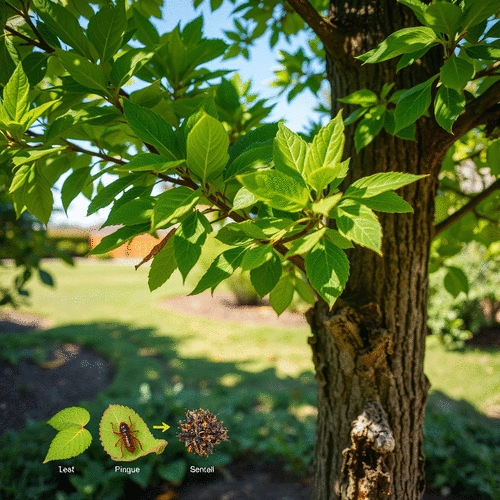
What if your garden's beauty hinged on the health of your trees? Understanding tree diseases is essential for maintaining a vibrant outdoor space. By gaining insights into these challenges, you can take proactive measures to enhance the vitality of your landscape.
What You Will Learn
- The importance of early identification and treatment of tree diseases to save time and resources.
- Common symptoms of tree diseases, including fungal infections like leaf spot, blight, and canker.
- Key practices for effective tree disease management, including regular assessments and cultural practices.
- Preventive measures to maintain tree health, such as proper pruning, soil management, and watering schedules.
- Resources for further learning and expert assistance in tree care techniques.
Key Practices for Tree Disease Management
Understanding and implementing effective practices for managing tree diseases can significantly improve the health of your garden. Below are two essential categories of practices, visually represented for clarity.
Identification Techniques
- Conduct regular visual assessments of leaves, bark, and roots.
- Identify symptoms like spots, cankers, or unusual growths.
Treatment Options
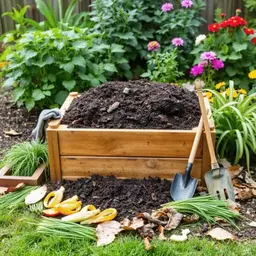
- Implement cultural practices such as pruning and sanitation.
- Consider chemical treatments when necessary, but always in moderation.
- Leverage biological control methods for a more natural approach.
Understanding Tree Diseases and Their Impact on Garden Health
As a landscape and tree care expert, I often encounter the challenges that come with tree diseases. These issues can significantly impact not only the health of your trees but also the overall vitality of your garden. Understanding the intricacies of tree diseases is crucial for any homeowner or commercial property owner looking to maintain a beautiful outdoor space. For those seeking comprehensive solutions, exploring professional tree care services can provide invaluable support.
Identifying and treating tree diseases promptly can prevent more extensive damage and costly repairs down the line. Have you ever noticed a tree in your garden that seems to be struggling? By taking the time to recognize the signs of disease early on, you can make informed decisions for treatment and care.
Importance of Identifying and Treating Tree Diseases
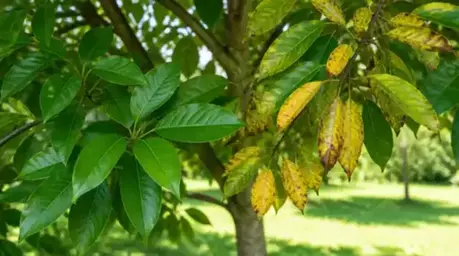
Recognizing tree diseases early can save you time, effort, and funds in the long run. When trees are affected by diseases, they can exhibit a variety of symptoms, from yellowing leaves to stunted growth. Therefore, it's essential to keep an eye on your trees, and if something seems off, investigate further.
Moreover, not addressing tree diseases can lead to a ripple effect, harming other plants in your garden. By maintaining the health of your trees, you not only enhance their beauty but also create a thriving environment for the entire garden. Here’s why identifying and treating tree diseases is vital:
- Prevents spread to healthy trees and plants.
- Enhances the aesthetic appeal of your landscape.
- Promotes long-term tree health and stability.
- Reduces the need for more expensive interventions later.
Common Tree Diseases Affecting Garden Trees
In my years of experience working with Timberline Garden, I've encountered various tree diseases that can impact the health of garden trees. Understanding these common ailments empowers you to take proactive steps to protect your landscape. Let’s dive into a couple of categories that are frequently seen in gardens.
Fungal Infections: Leaf Spot, Blight, and Canker
Fungal infections are among the most common tree diseases affecting our gardens. Conditions like leaf spot, blight, and canker can lead to unsightly and unhealthy trees. Leaf spot appears as dark spots on the leaves, often caused by various fungi. Blight can cause rapid leaf loss and branch dieback, while canker manifests as dead areas on branches or trunks. For effective prevention, consider integrating native plants for sustainable landscapes, which often exhibit greater disease resistance.
Here’s a quick overview of these fungal infections:
- Leaf Spot: Dark, water-soaked spots on leaves.
- Blight: Rapid leaf drop and browning.
- Canker: Dead patches on bark that may ooze sap.
Bacterial and Viral Infections: Symptoms and Effects
Bacterial and viral infections can also pose a significant threat to your trees. Symptoms may vary, but they often include wilting leaves, unusual growths, or even gumming from the trunks. Preventing these infections is key, as they can weaken trees and make them more susceptible to other diseases.
Common signs of bacterial and viral infections include:
- Wilting Leaves: Leaves droop and lose turgor.
- Gumming: Sticky substances oozing from infected areas.
- Unusual Growths: Abnormal or stunted growth patterns.
By being aware of these common diseases and their symptoms, you can take proactive steps to ensure the health of your trees and garden. Remember, at Timberline Garden, we are here to help you navigate the complexities of tree care. Together, we can create thriving landscapes!
Pro Tip
Did you know? Regularly inspecting your trees for early signs of disease can save you from costly treatments later on. Make it a habit to check your trees at least once a month during the growing season. Look for discolored leaves, unusual growths, or any signs of pests. Early detection is key to maintaining a healthy garden!
Frequently Asked Questions About Tree Diseases
- What are the most common signs of tree disease?
- Common signs include yellowing leaves, dark spots on leaves (leaf spot), rapid leaf loss and branch dieback (blight), dead areas on bark (canker), wilting leaves, unusual growths, and sticky substances oozing from trunks (gumming).
- Why is early identification of tree diseases important?
- Early identification is crucial because it prevents the spread of disease to other healthy plants, enhances the aesthetic appeal of your landscape, promotes long-term tree health, and reduces the need for more expensive interventions or tree removal services later on.
- What is the difference between fungal, bacterial, and viral tree infections?
- Fungal infections (like leaf spot, blight, canker) are often characterized by visible spots, lesions, or decay. Bacterial and viral infections can cause symptoms like wilting, unusual growths, and gumming, and tend to weaken trees, making them susceptible to other issues.
- What are some effective cultural practices for managing tree diseases?
- Effective cultural practices include proper pruning to improve air circulation, sanitation (removing infected plant material), managing soil health through amendments and testing, and adopting appropriate watering schedules for your specific trees.
- When should I consider professional help for tree diseases?
- If you're unsure about the type of disease, if the disease is rapidly spreading, or if your efforts aren't yielding results, it's best to consult with tree care experts. They can provide accurate diagnosis and recommend appropriate treatments, including when to consider options like choosing a tree removal service if necessary.
Summarizing Key Practices for Tree Disease Management
As we wrap up our discussion on tree disease management, it's essential to highlight the importance of identification techniques and various treatment options. Recognizing the symptoms early on can save your trees and ensure your garden remains vibrant. Whether you're experiencing leaf spots, blight, or cankers, understanding the underlying issues is the first step toward effective care!
To summarize, here are some key practices to help you manage tree diseases effectively:
- Conduct regular visual assessments of leaves, bark, and roots.
- Identify symptoms like spots, cankers, or unusual growths.
- Implement cultural practices such as pruning and sanitation.
- Consider chemical treatments when necessary, but always in moderation.
- Leverage biological control methods for a more natural approach.
By following these practices, you can keep your trees healthy and your garden thriving. At Timberline Garden, we believe that informed homeowners make the best decisions for their landscapes, empowering you to take action as needed!
Encouraging Proactive Tree Health Care in Your Garden
Now that we've explored effective management strategies, let’s focus on the importance of disease prevention and maintenance. As someone who has spent over a decade in the landscaping field, I can tell you that proactive care is the key to long-lasting tree health. Regular attention to your trees can help you avoid much bigger problems down the road.
Here are a few tips to maintain the health of your trees and prevent disease:
- Practice proper pruning techniques to enhance air circulation.
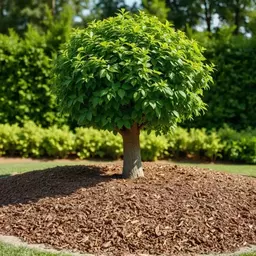
- Manage soil health through regular amendments and testing.
- Adopt a watering schedule that suits the specific needs of your trees.
- Monitor your trees for any signs of distress or disease.
Taking these steps will not only keep your trees looking beautiful but also create a flourishing environment in your garden. Remember, a little effort goes a long way!
Final Thoughts on Disease Prevention and Maintenance
As I reflect on tree care practices, it’s clear that the relationship between the gardener and their trees is essential. By staying vigilant and proactive, you can ensure that your landscape remains a source of joy and health for years to come. For further guidance on maintaining healthy trees, consider exploring urban tree care tips.
Resources for Further Learning and Assistance
If you’re eager to expand your knowledge and improve your tree care techniques, there are numerous resources available to help you on your journey. Here are a few options to consider:
- Check your local extension services for expert advice and tailored resources.
- Attend gardening workshops to learn from fellow enthusiasts and professionals.
- Explore online platforms and forums dedicated to tree care for community support.
With these resources, you’ll feel empowered to tackle any challenges your garden may face. Remember, at Timberline Garden, we’re here to guide you every step of the way! Happy gardening!
Recap of Key Points
Here is a quick recap of the important points discussed in the article:
- Early identification of tree diseases is crucial to prevent extensive damage and costly repairs.
- Common tree diseases include fungal infections like leaf spot, blight, and canker, as well as bacterial and viral infections.
- Regular visual assessments of trees can help catch symptoms early, including unusual growths and wilting leaves.
- Implement cultural practices such as pruning, sanitation, and proper watering to promote tree health.
- Consider biological control methods alongside chemical treatments for a balanced approach to tree care.
- Proactive maintenance and monitoring are key strategies for long-lasting tree health and preventing diseases.