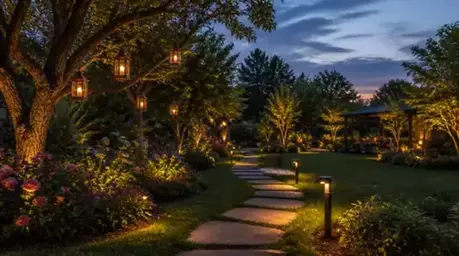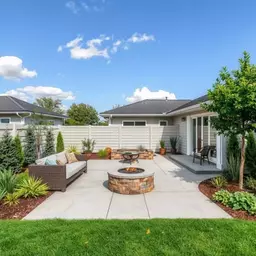
Did you know that incorporating hardscaping into your garden design can significantly enhance both the aesthetics and functionality of your outdoor space? From pathways to seating areas, hardscaping elements play a crucial role in creating a harmonious garden environment. Let’s explore the essential lessons you can learn about hardscaping techniques and their impact on garden design.
What You Will Learn
- Hardscaping enhances functionality, creating defined spaces such as seating areas and pathways.
- Incorporating hardscaping elements aids in soil conservation and helps manage water drainage.
- Timing is crucial; plan hardscaping during initial garden design or off-season renovations for optimal results.
- Understanding costs and budgeting for materials, labor, and additional features is vital for successful hardscaping projects.
- Different materials have varying costs; consider both initial expenses and long-term maintenance when selecting materials.
- Hardscaping can significantly increase property value and enhance outdoor living spaces over time.
- Regular maintenance tailored to specific materials is essential for prolonging the lifespan of your hardscaped features.
- Climate considerations, such as drainage for heavy rains and material choices for extreme temperatures, are crucial for durability.
- Conducting a site audit before installation helps to ensure that designs fit well with existing garden elements.
- Utilizing landscape design software can aid in visualizing and planning your hardscape before starting the project.
Comparative Cost Analysis of Hardscaping Materials
The following data illustrates the average cost per square foot for various hardscaping materials, providing insights for budgeting your project. For more details on budgeting and design, consider our guide on building a sustainable landscape design.
Concrete
Average Cost: $4 - $10 per square foot
Brick
Average Cost: $8 - $15 per square foot
Natural Stone
Average Cost: $10 - $30 per square foot
Understanding the Role of Hardscaping in Garden Design
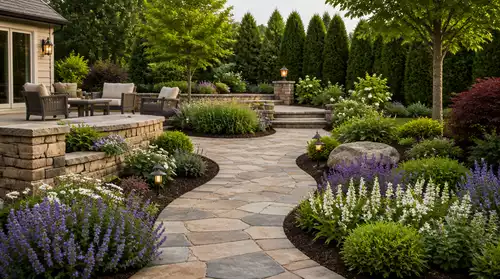
When we talk about garden design, one crucial aspect that often gets overlooked is hardscaping. This term refers to the non-plant elements in your garden, like pathways, walls, and patios. By incorporating hardscaping, you can enhance both the functionality and aesthetics of your outdoor space, making it not just beautiful but also practical!
At Timberline Garden, we believe that hardscaping is more than just laying stones or bricks. It’s about creating an inviting atmosphere that complements your garden's natural elements. The right hardscape features can provide structure, define spaces, and even help manage water drainage. So, let’s dive deeper into the importance of hardscaping!
Defining Hardscaping and Its Importance
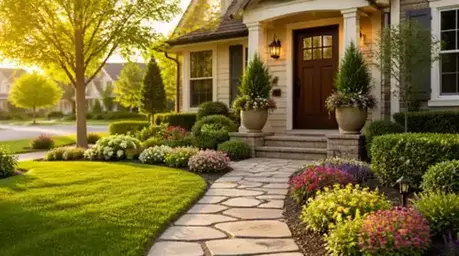
Hardscaping is essential for numerous reasons. First, it helps to create functional spaces within your garden. Imagine having beautiful seating areas, pathways guiding visitors through your flower beds, and decorative walls that add dimension to your landscape. These features do more than look good; they serve a purpose, too!
Moreover, hardscaping is crucial for soil conservation. By incorporating elements like retaining walls, you can prevent soil erosion, which is vital for maintaining the health of your plants. Hardscaping also offers **durability**—unlike plants, these materials require minimal maintenance and can withstand harsh weather conditions. To further enhance your garden's resilience, consider incorporating native plants for sustainable landscapes, which thrive in local conditions.
- Enhances functionality
- Provides structure and definition
- Helps with soil conservation
- Offers low maintenance options
When to Incorporate Hardscaping into Your Garden
Determining the right time to add hardscaping elements to your garden can greatly influence your overall landscape design. Ideally, you should plan for hardscaping during the initial stages of your garden project. This way, you can ensure that the hardscape complements your plantings and overall design.
If you're looking to make improvements to an existing garden, consider adding hardscape features during the off-season for planting. This allows you to focus on the structural elements first, then introduce your plants once the hardscaping is complete. Plus, having a solid base makes it easier to visualize how everything will come together!
- Initial garden design planning
- Off-season renovations
- Before introducing new plantings
Hardscaping is a fantastic way to elevate your outdoor space, and with the right elements, you can create a garden that is as beautiful as it is functional. So, whether you're laying down a new pathway or building a cozy patio, *embrace the power of hardscaping* in your garden design journey with Timberline Garden! 🌳
Quick Summary
Here's a brief recap of the key points discussed so far:
- Hardscaping enhances both the functionality and aesthetics of your garden.
- Incorporating hardscaping during the initial design phase can lead to a more cohesive outdoor space.
- Understanding costs and maintenance is essential for a successful hardscaping project.
Cost Considerations and Budgeting for Hardscaping Projects
When planning a hardscaping project, understanding your budget is key! The costs can vary widely depending on the materials and features you choose. As I’ve seen at Timberline Garden, having a clear budget helps you prioritize what’s most important for your garden transformation.
To get started, it's helpful to break down the costs into different categories. Consider factors like materials, labor, and any additional features you might want. This way, you can manage your spending while still achieving a beautiful outdoor space!
- Materials: Concrete, brick, natural stone
- Labor: DIY vs. hiring a professional
- Additional features: Lighting, seating areas, or water features
Estimating Costs for Different Materials and Features
Each material you select can dramatically affect your budget. For instance, concrete tends to be more affordable than natural stone, but stone can offer a unique beauty that might justify the higher price tag. When budgeting, consider not just the initial cost but also the long-term value and maintenance.
Here’s a quick overview of common materials and their approximate costs:
| Material | Average Cost per Square Foot |
|---|---|
| Concrete | $4 - $10 |
| Brick | $8 - $15 |
| Natural Stone | $10 - $30 |
As you can see, each material has its own cost range. Make sure to factor in any local labor costs as well, especially if you decide to hire a professional, as I often recommend for challenging projects! If you're considering DIY, make sure you have the key tools for home landscaping to get the job done right.
Evaluating ROI: The Long-Term Benefits of Hardscaping
Hardscaping is not just an expense; it’s an investment! The return on investment (ROI) can be significant, especially when you consider how it enhances your property’s value and usability. By creating defined spaces, improving aesthetics, and adding functionality, hardscaping can transform your garden into a more appealing environment.
Some of the key benefits include:
- Increased property value
- Enhanced outdoor living space
- Lower maintenance costs in the long run
- Improved water management and erosion control
It’s rewarding to see how a well-planned hardscape project can elevate the overall look and feel of your garden while providing tangible benefits for years to come!
Maintenance and Climate Considerations for Hardscaping
With your hardscaping in place, it's important to think about maintenance. Each material you choose comes with its own care requirements. Knowing what to expect can help you keep your outdoor space looking great, so let’s break it down!
Additionally, understanding your region's climate is crucial for ensuring the durability of your hardscape. Factors like temperature fluctuations, rainfall, and soil conditions can all influence how well your materials hold up over time.
Understanding Maintenance Schedules by Material Type
Regular maintenance is vital for prolonging the life of your hardscaping. Here’s a simple guide to help you keep everything in tip-top shape:
- Concrete: Seal every few years to prevent cracking.
- Brick: Regularly check for loose bricks and mortar.
- Natural Stone: Clean and seal to enhance longevity.
Establishing a routine will save you time and money in the long run, making your hardscaping investment worth it!
Addressing Regional Climate Concerns for Durability
Different climates can impact your hardscape's performance. For instance, areas with heavy rainfall may require better drainage solutions. Implementing effective drainage systems can reduce erosion and maintain the integrity of your hardscaping.
Here are some climate considerations to keep in mind:
- Heavy rains: Install drainage systems to prevent flooding.
- Freezing temperatures: Choose materials less prone to cracking.
- High heat: Opt for lighter-colored materials that reflect sunlight.
At Timberline Garden, I always emphasize the importance of selecting durable materials suited for your specific climate conditions. This ensures your outdoor space remains beautiful, functional, and resilient!
Planning Your Hardscape Design Workflow
Now that we've covered costs and maintenance, let’s dive into planning your hardscape design effectively! A well-thought-out design process can prevent costly mistakes and streamline your project.
One of the first steps is conducting a thorough site audit. By assessing your garden’s layout, soil conditions, and existing features, you can create a design that integrates seamlessly into your outdoor space.
Conducting a Site Audit for Effective Planning
Taking stock of your garden's characteristics is essential. Here are some key elements to evaluate:
- Soil type and condition
- Sunlight exposure
- Existing plants and structures
Doing this will help you make informed decisions about where to place your hardscaping features!
Sequencing Installation: From Material Selection to Completion
Once you've assessed your site, it's time to plan the installation. Sequencing your project can save you time and headaches. A recommended approach is to:
- Select your materials based on budget and design.
- Prepare the site by clearing and leveling as needed.
- Install hardscaping features in phases.
This systematic approach helps ensure that everything fits well together and reduces the chance of rework! It’s all about creating a cohesive and beautiful outdoor environment.
Utilizing Landscape Design Software for Effective Planning
Today’s technology makes it easier than ever to visualize your hardscaping project. Landscape design software allows you to experiment with different layouts, materials, and colors before making a final commitment. It’s a fantastic tool for anyone looking to enhance their garden's design! For more advanced structural considerations, you might also find value in understanding professional tree care services explained, especially if large trees are part of your hardscape plan.
With the right planning, your hardscape can become a stunning focal point in your outdoor space, reflecting both your personality and style!
Frequently Asked Questions About Hardscaping
- What is hardscaping?
- Hardscaping refers to the non-plant elements in your garden, such as pathways, walls, patios, and other built features that enhance functionality and aesthetics.
- Why is hardscaping important for garden design?
- Hardscaping creates functional spaces, provides structure and definition, helps with soil conservation by preventing erosion (e.g., retaining walls), offers durability, and requires minimal maintenance compared to softscaping elements.
- When is the best time to incorporate hardscaping into a garden?
- Ideally, hardscaping should be planned during the initial garden design phase. For existing gardens, the off-season for planting is an opportune time to focus on structural elements before introducing new plants.
- What are the typical costs for hardscaping materials?
- Costs vary by material: concrete typically ranges from $4-$10 per square foot, brick from $8-$15 per square foot, and natural stone from $10-$30 per square foot. These are average costs and can vary based on location and labor.
- Does hardscaping increase property value?
- Yes, hardscaping is an investment that can significantly increase property value by enhancing outdoor living spaces, improving aesthetics, and providing long-term benefits like better water management and lower maintenance costs.
- How does climate affect hardscaping decisions?
- Climate is crucial. Areas with heavy rainfall require effective drainage systems. Freezing temperatures necessitate materials less prone to cracking, while hot climates benefit from lighter-colored materials that reflect sunlight to reduce heat absorption.
- What role does a site audit play in hardscape planning?
- A site audit is vital for assessing your garden's characteristics, including soil type, sunlight exposure, and existing plants/structures. This information helps make informed decisions about material placement and design integration.
Conclusion and Next Steps for Your Garden Transformation
As we wrap up, remember that transforming your garden with hardscaping is a journey. With thoughtful planning and consideration of costs and maintenance, you can create a space that is both beautiful and functional.
As you move forward, I encourage you to share your experiences or ask any questions on our Timberline Garden platform! Together, we can exchange ideas and inspire each other as we continue to enhance our outdoor spaces. For additional ideas on how to approach your garden, check out landscaping trends to watch in 2024.
Recap of Key Points
Here is a quick recap of the important points discussed in the article:
- Hardscaping enhances garden functionality and aesthetics through elements like pathways, walls, and patios.
- Incorporate hardscaping during the initial garden design phase or off-season renovations for the best results.
- Understand your budget by breaking down costs for materials, labor, and additional features to avoid overspending.
- Evaluate the ROI of hardscaping as it can significantly increase property value and lower maintenance costs over time.
- Regular maintenance of hardscape materials is essential for longevity, considering factors like climate and material type.
- Conduct a site audit to assess soil type, sunlight exposure, and existing structures for effective planning.
- Utilize landscape design software to visualize and plan your hardscaping project before implementation.