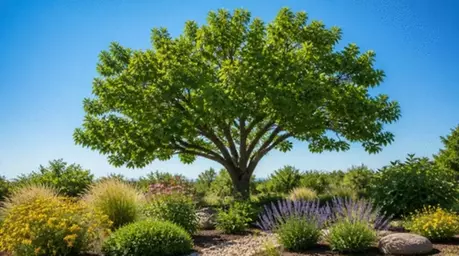
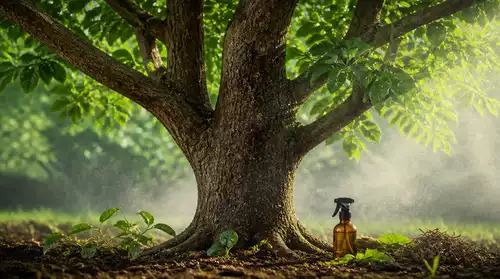
Did you know that maintaining tree health is essential not only for aesthetics but also for resilience against pests and diseases? The vitality of your trees directly correlates with their ability to fend off invaders. Here's a deeper dive into how you can ensure your trees thrive!
What You Will Learn
- Importance of Tree Health: Healthy trees have strong root systems, thick bark, and lush foliage, which significantly enhance their resistance to pests and diseases.
- Environmental Factors Matter: Soil quality, moisture levels, and sunlight exposure are critical to tree health and can influence their vulnerability to pests.
- Identifying Pests: Familiarizing yourself with common tree pests like aphids and spider mites, and their symptoms, is crucial for early detection and management.
- Understanding Tree Diseases: Recognizing signs of diseases such as cankers and root rot empowers you to take swift action to protect your trees.
- Regular Monitoring: Routine inspections of your trees for signs of stress or infestation can prevent serious damage and ensure their longevity.
Factors Enhancing Tree Health and Resistance to Pests
Understanding the critical factors that improve tree health can significantly enhance their resistance to pests and diseases. Below, we illustrate these elements that contribute to tree vitality and resilience. For more comprehensive insights into maintaining your trees, explore our professional tree care services explained.
Strong Root Systems
A well-established root system provides stability and access to nutrients, making trees more resilient to stressors.
Thick Bark
Healthy trees develop thicker bark that acts as a protective barrier against pests and diseases.
Lush Foliage
Vibrant foliage can deter pests due to its vitality, enhancing the tree's overall health.
Soil Composition
Healthy soil rich in organic matter supports strong tree growth, improving resistance to pests and diseases.
Water Availability
Sufficient water is essential, but too much can lead to root rot; balance is key for tree health.
Sunlight Exposure
Proper sunlight is crucial for photosynthesis, which fuels tree health and vitality.
Understanding the Importance of Tree Health in Pest and Disease Resistance
Every tree in your yard plays a vital role in its overall health and beauty. Just like us, trees need to be in good shape to fend off pests and diseases. Have you ever noticed that some trees seem to thrive while others struggle? Well, the secret often lies in their health! Healthy trees not only look better, but they are also less vulnerable to the pesky invaders that can cause harm.
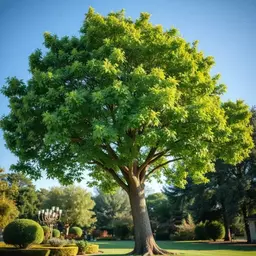
Maintaining tree health is essential for a vibrant landscape. Healthy trees develop strong root systems, thicker bark, and lush foliage—all key factors that contribute to their resilience against pests and diseases. When trees are healthy, they can better withstand stressors like drought, extreme temperatures, and soil imbalances, allowing them to naturally resist unwanted pests. Let's explore why this is so crucial for our landscapes!
Why Healthy Trees are Less Vulnerable to Pests and Diseases
Have you ever wondered why some trees attract more pests than others? It often comes down to their health! A healthy tree’s robust defenses can ward off pests more effectively than a stressed or weakened tree can. Trees that get proper care—like adequate sunlight, water, and nutrients—are more likely to fend off insects and diseases. For more tips on keeping your trees in top condition, check out our guide on caring for young trees effectively.
When it comes to tree health, consider these factors that enhance resistance:
- Strong Root Systems: A well-established root system provides stability and access to nutrients.
- Thick Bark: Healthy trees have thicker bark, which serves as a protective barrier.
- Lush Foliage: Foliage that is vibrant and full can often deter pests due to its vitality.
By fostering tree health, we can create a protective shield against potential threats. It's like giving your tree an armor of strength!
The Role of Environmental Factors in Tree Health
Our trees are not just influenced by our care; they are also affected by their environment! Understanding how environmental factors impact tree health can empower us to make better choices for our landscapes. Factors such as soil quality, moisture levels, and even air pollution can significantly influence a tree's resistance to pests.
Here are a few environmental factors to consider:
- Soil Composition: Healthy soil rich in organic matter supports strong tree growth.
- Water Availability: Trees need sufficient water, but too much can lead to root rot.
- Sunlight Exposure: Proper sunlight is crucial for photosynthesis, which fuels tree health.
By paying attention to these elements, we can ensure our trees have the best chance at thriving. As a tree care expert, I always emphasize the importance of adapting our practices to suit the unique needs of each tree! For further reading on this topic, consider our article on sustainable tree care for homeowners.
Quick Summary
Here's a brief recap of the key points discussed so far:
- Healthy trees are less vulnerable to pests and diseases due to strong root systems, thick bark, and lush foliage.
- Environmental factors like soil quality, water availability, and sunlight exposure play a significant role in tree health.
- Regular monitoring and understanding of common pests and diseases are crucial for maintaining the health of your trees.
Identifying and Diagnosing Tree Pests and Diseases
Understanding how to identify and diagnose tree pests and diseases is crucial for maintaining the health of your landscape. As a tree care expert at Timberline Garden, I often see homeowners struggle with recognizing the early signs of trouble in their trees. With a little knowledge, you can catch these issues before they escalate, ensuring your trees remain vibrant and strong!
Let’s dive into the most common pests and diseases that can affect your trees, so you can stay one step ahead. By familiarizing yourself with the symptoms, you’ll be better equipped to take action when necessary. After all, a healthy tree is not just beautiful; it’s a resilient one!
Common Pests and Their Symptoms
When it comes to tree pests, several unwelcome visitors can cause significant harm. Here's a quick list of some of the most common pests you might encounter:
- Aphids: These tiny pests often cluster on the underside of leaves and can cause wilting and yellowing.
- Spider Mites: Watch for fine webbing on leaves and a speckled appearance.
- Scale Insects: Look for small, shell-like covers on branches and leaves.
As you observe your trees, keep an eye out for signs like leaf spots and wilting. Take a moment to inspect the foliage for discoloration or unusual growths. A quick check can make all the difference!
Leaf Spots and Wilting: Identifying Common Issues
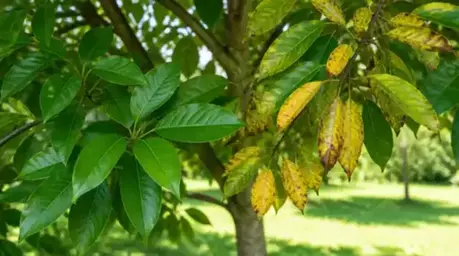
Leaf spots and wilting can signal both pest infestations and diseases. For example, if you notice dark spots on leaves, it may indicate a fungal infection. On the other hand, wilting could be a sign of underwatering or even root damage. Understanding these symptoms will help you diagnose the problem accurately.
Don’t hesitate to take action! Regular monitoring of your trees can help you spot these issues early on. If you notice symptoms, document them and compare them to trusted resources or consult with a local arborist to confirm your findings.
Managing Damage from Boring Insects and Chewed Bark
Boring insects can do severe damage by tunneling into the wood of your trees. This can weaken the structure and expose your tree to diseases. Common signs of boring insects include:
- Holes in the bark
- Frass (sawdust-like material)
- Wilting branches or leaf drop
If you suspect boring insects are at play, it’s essential to act quickly! Removing affected branches can help minimize damage and allow your tree to recover better. Remember, prevention is key, so regular inspections and tree health checks are highly recommended. For more details on managing specific tree issues, check out our article on identifying and treating tree diseases.
Recognizing Bark Beetles and Aphids
Bark beetles and aphids are two pests that can create havoc if left unchecked. Bark beetles typically leave visible holes and may cause the bark to become discolored or flake off. Aphids, on the other hand, create a sticky residue on leaves, a telltale sign of their presence.
To manage these pests effectively, consider reaching out to a professional. At Timberline Garden, we can help you determine the best course of action, whether it’s introducing beneficial insects or using organic pest control methods.
Common Tree Diseases and Their Signs
Tree diseases can be tricky to identify, but knowing what to look for can save your trees. Understanding the symptoms is half the battle! Here’s a list of some common diseases you should be aware of:
- Cankers: Sunken areas on branches and stems.
- Root Rot: Wilting or yellowing leaves and mushy roots.
- Fungal Diseases: Noticeable discoloration and leaf drop.
Familiarizing yourself with these signs can prepare you for swift action. A simple inspection can go a long way toward ensuring your trees thrive. If you notice any concerning symptoms, reach out to us at Timberline Garden for guidance!
Recognizing Cankers and Dieback
Cankers are often caused by fungal pathogens and can appear as dark, sunken areas on branches. Dieback, which can result from environmental stressors or diseases, shows itself through the gradual death of branches, starting from the tips. Keeping a close watch on your trees can help you catch these issues early!
It’s crucial to prune away affected areas and ensure your trees receive adequate care throughout the seasons. Remember, healthy trees are less likely to succumb to diseases!
Understanding Root Rot and Fungal Diseases
Root rot can be a silent killer for trees, often caused by overwatering or poor drainage. Yellowing leaves and stunted growth may be your first indicators. To combat this, ensure your trees are planted in well-draining soil and not overwatered.
If you suspect a fungal infection, removing infected roots and applying appropriate fungicides may be necessary. Don’t shy away from getting expert advice—your trees will thank you!
Impact of Rust Fungi on Tree Health
Rust fungi appear as rusty-orange spots on leaves and can lead to significant defoliation. While they may not kill a tree outright, they weaken it, making it more susceptible to other stressors. Regular monitoring and early intervention are vital! For comprehensive strategies on maintaining tree vitality, explore our tips for seasonal tree care for homeowners.
Frequently Asked Questions about Tree Health and Pest Resistance
- Q1: Why is tree health important for pest and disease resistance?
- Healthy trees possess strong natural defenses, including robust root systems, thick bark, and lush foliage, which allow them to better withstand and repel pests and diseases compared to stressed or weakened trees.
- Q2: What environmental factors affect a tree's resistance to pests and diseases?
- Factors such as soil quality (rich in organic matter), appropriate moisture levels (neither too much nor too little), and adequate sunlight exposure are crucial. These elements contribute to the tree's overall vitality and its ability to fight off invaders.
- Q3: How can I identify common tree pests?
- Look for specific signs: Aphids cause wilting and yellowing leaves and often cluster on the underside. Spider mites create fine webbing and a speckled appearance on leaves. Scale insects appear as small, shell-like covers on branches and leaves. Boring insects leave visible holes in the bark and sawdust-like frass.
- Q4: What are the signs of common tree diseases?
- Common disease signs include cankers (dark, sunken areas on branches), root rot (yellowing leaves, stunted growth, or mushy roots due to overwatering), fungal diseases (discoloration and leaf drop), dieback (gradual death of branches from the tips), and rust fungi (rusty-orange spots on leaves).
- Q5: What should I do if I suspect my tree has pests or a disease?
- Regular monitoring is key for early detection. If you notice symptoms, document them and compare them to trusted resources. For accurate diagnosis and effective treatment, it is highly recommended to consult with a local arborist or tree care expert.
Recap of Key Points
Here is a quick recap of the important points discussed in the article:
- Tree Health is Crucial: Healthy trees have stronger defenses against pests and diseases, making them more resilient.
- Key Factors Enhancing Resistance: Strong root systems, thick bark, and lush foliage contribute significantly to a tree's health and pest resistance.
- Environmental Influences: Soil quality, water availability, and sunlight exposure play vital roles in maintaining tree health.
- Early Detection: Regular monitoring for pests and diseases helps identify issues early, preventing escalation of damage.
- Common Pests and Diseases: Familiarize yourself with symptoms of common pests (like aphids and spider mites) and diseases (such as cankers and root rot) for timely intervention.
- Professional Guidance: Don't hesitate to consult experts for pest management and disease diagnosis to ensure the health of your trees.