Have you ever considered how the first few years in a tree's life can shape its entire future? Investing in proper care during this critical establishment period can lead to healthier, stronger trees that contribute to a thriving ecosystem.
What You Will Learn
- The establishment period of 1 to 3 years is crucial for young trees, impacting their long-term growth and health.
- Optimal planting conditions include adequate sunlight, well-draining soil, and sufficient space for root growth.
- Preparing the soil with balanced pH and organic matter enhances nutrient availability and drainage for young trees.
- Choosing native tree species increases adaptability to local conditions and supports local ecosystems.
- Consistent care practices like proper watering and mulching are essential during the establishment phase for tree survival.
- Utilizing additional resources and guides can deepen understanding and enhance tree care skills.
Key Insights for Young Tree Care
The successful establishment of young trees relies on several fundamental practices. Below are critical factors to consider during the initial 1 to 3 years of planting. For those interested in broader professional tree care services, understanding these foundational steps is essential.
Establishment Phase
The first 1 to 3 years are critical for young trees to develop robust root systems, leading to healthier growth.
Optimal Planting Conditions
- Sunlight: Ensure sufficient light.
- Soil Type: Use well-draining soil.
- Space: Avoid nutrient competition.
Soil Preparation
Soil should be rich in organic matter with a pH between 6.0 and 7.5 to support tree health.
Watering Needs
Young trees require approximately 10-30 gallons of water per week.
Essential Insights for Successfully Planting Young Trees
Understanding the Importance of Young Tree Establishment
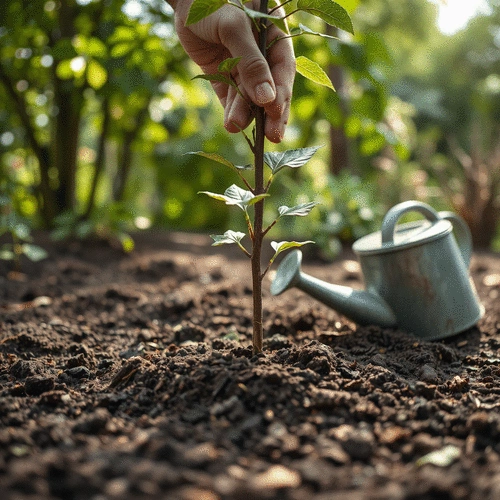
When it comes to planting young trees, the establishment period of 1 to 3 years is crucial! This timeframe significantly influences long-term growth and overall health. Trees that receive proper care during this phase are more likely to thrive and withstand environmental stresses in the future.
Think of it this way: during the establishment phase, young trees are building their root systems. A solid foundation leads to stronger, more resilient trees that can better absorb nutrients and water. So, investing time in their care now pays off later!
Identifying Optimal Planting Conditions
Choosing the right spot for your young tree is key to its survival and growth. Here are some important factors to consider:
- Sunlight: Ensure your tree will get enough light for its needs.
- Soil Type: Check for well-draining soil to prevent root rot.
- Space: Give your tree enough room to grow without competing for nutrients.
The depth of the planting hole is another critical aspect. Aim for a hole that is at least twice the width of the root ball and equal in depth. This will allow the roots ample space to spread and grow! For more detailed guidance, consider exploring sustainable tree care for homeowners.
Soil Preparation for Young Trees
Preparing the soil before planting is essential for young trees. The soil should be rich in organic matter and have a balanced pH. Here’s why this matters:
- Soil pH: Ideally, you want your soil pH to be between 6.0 and 7.5 for most tree species.
- Organic Matter: Adding compost improves soil structure and provides essential nutrients.
- Drainage: Ensure proper drainage to prevent excess water from harming young roots.
By focusing on these factors, you create a nurturing environment where your young trees can flourish!
Choosing the Right Tree Species
Not all trees are created equal! Selecting native tree species is important as they typically thrive in your local climate and soil conditions. Here’s how to choose wisely:
- Adaptability: Native trees adapt better to local pests and diseases.
- Hardiness Zones: Check your hardiness zone to find trees that will survive winter temperatures.
- Purpose: Consider why you’re planting: for shade, fruit, or aesthetics?
By selecting the right species, you’ll create a garden that not only looks beautiful but also supports local wildlife and ecosystems. At Timberline Garden, I’m passionate about helping you find the perfect trees for your landscape! Learn more about the benefits of native plants for sustainable landscapes.
Quick Summary
Here's a brief recap of the key points discussed so far:
- The establishment period of young trees is critical for their long-term health and resilience.
- Optimal planting conditions include adequate sunlight, well-draining soil, and sufficient space for growth.
- Soil preparation is vital, focusing on pH balance and organic matter to create a nurturing environment.
- Selecting native tree species enhances adaptability and supports local ecosystems.
Frequently Asked Questions About Young Tree Care
Curious about caring for your young trees? Here are some common questions I often encounter, along with straightforward answers to guide you:
- How often should I water my young trees? Generally, young trees require about 10-30 gallons of water per week, depending on the climate and soil conditions.
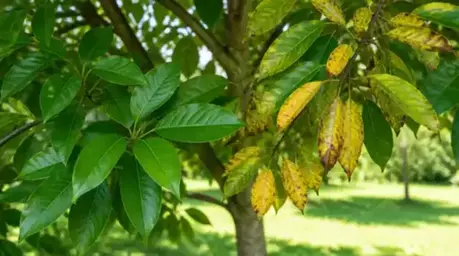
- What signs indicate my tree is not thriving? Look for wilting leaves, stunted growth, or discolored foliage, which may suggest issues with watering, soil quality, or pests.
- Is mulching necessary for young trees? Yes, applying mulch can help retain moisture, suppress weeds, and regulate soil temperature, all essential for young tree health.
- When is the best time to prune young trees? Minimal pruning is recommended during the first few years, focusing on removing any dead or diseased branches while retaining lower branches for structure.
Summarizing Best Practices for Young Tree Care
As we've explored, the care of young trees is crucial to their long-term survival and growth. During the establishment period, which typically spans the first three years, consistent attention can significantly impact the tree's future development. Key practices include understanding optimal planting conditions, ensuring proper watering routines, and applying effective mulching techniques. By following these guidelines, you can create a thriving environment for your young trees!
Remember, the journey of nurturing these trees is just as important as the end results. Engaging with your landscape not only beautifies your property but also contributes positively to the environment. So, whether you're a seasoned gardener or a newbie, embracing these practices will empower you to foster healthy trees that stand strong for years to come. For more on maintaining overall tree health, be sure to read our guide on mulch benefits for tree growth.
Encouraging Engagement Through Resources
To deepen your understanding and skills in young tree care, I invite you to explore additional resources available through Timberline Garden! We've created a comprehensive PDF guide that encapsulates all the essential practices discussed in this article. It's designed for easy reference, so you can have the knowledge at your fingertips when needed.
Also, don’t forget to check out our visual aids and detailed step-by-step guides on our website. These resources can enhance your learning experience and provide you with practical insights that align perfectly with your tree care journey. Let’s empower each other to cultivate beautiful green spaces! You might also find our tips on urban tree care helpful.
Hopefully, these FAQs help clarify some of your concerns! As always, feel free to reach out to us at Timberline Garden for any specific questions or additional support. Your tree care success is our priority!
Recap of Key Points
Here is a quick recap of the important points discussed in the article:
- The establishment period of 1 to 3 years is crucial for the long-term health and growth of young trees.
- Choose optimal planting conditions, including adequate sunlight, well-draining soil, and sufficient space for growth.
- Prepare the soil by ensuring a balanced pH, enriching it with organic matter, and promoting good drainage.
- Select native tree species that are adaptable to local conditions, ensuring better survival and support for local ecosystems.
- Implement consistent care practices, including proper watering and mulching, to foster a nurturing environment for young trees.