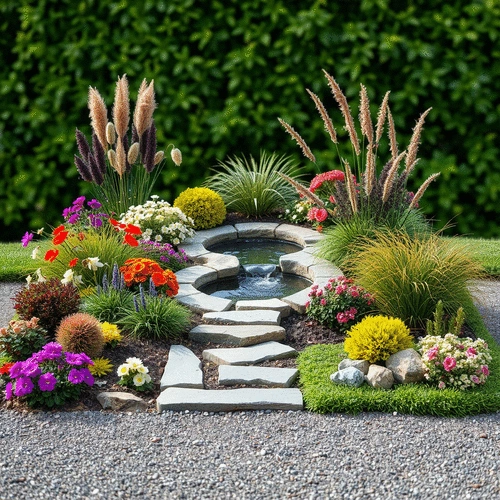
Have you ever looked out at your tiny yard and felt overwhelmed by how to make the most of it? Small spaces can present unique challenges, yet they also offer remarkable opportunities for creativity and innovation. Let's explore how to transform your small landscape into a beautiful and functional area!
What You Will Learn
- Understand the unique challenges of small landscape design, including balancing aesthetics and functionality.
- Learn techniques to create an illusion of space, making your small yard feel larger and more inviting.
- Discover the importance of selecting the right plants and features while considering environmental factors like sunlight and soil quality.
- Utilize various free and AI-powered landscape design apps to simplify your planning process and visualize your garden.
- Implement effective maintenance tips tailored for small urban yards to ensure your landscape remains beautiful and functional over time.
- Explore sustainable gardening practices, such as composting and using native plants, to cultivate a thriving environment.
- Gain insights from real-world examples of successful small space landscapes to inspire your own gardening journey.
- Engage with online resources and community support to share experiences and learn from fellow gardeners.
Key Considerations in Small Landscape Design
Understanding the unique challenges and opportunities in small landscape layouts can significantly enhance usability and aesthetics. For more detailed insights into creating sustainable spaces, explore our guide on building a sustainable landscape design.
Challenges of Designing Small Landscapes
- Limited square footage
- Balancing aesthetics with functionality
- Creating an illusion of space
Opportunities in Small Landscapes
- Innovative solutions like vertical gardening
- Creative container gardening for space maximization
- Ability to include native plants for sustainability
Tools for Effective Landscape Planning
- Online landscape planning software
- 3D modeling with SketchUp
- Visual design apps like Garden Planner and iScape
Maintenance Strategies for Small Yards
- Regular pruning to promote growth
- Drip irrigation systems for efficient watering
- Seasonal clean-up to prevent pests
Understanding Landscape Layouts for Small Spaces
When it comes to designing small landscapes, we often face unique challenges that larger spaces simply don't present. Have you ever looked out at your tiny yard and felt overwhelmed by how to make the most of it? At Timberline Garden, I truly believe that even the smallest spaces can be transformed into beautiful, functional areas with the right approach and tools!
The key is understanding that small spaces require different considerations compared to larger landscapes. Each square foot counts, so every decision should be intentional. It’s vital to think creatively about layout, plant selection, and features that can maximize usability while maintaining an inviting atmosphere. Let's explore this together!
Defining the Unique Challenges of Small Landscape Design
When working with limited space, we encounter several challenges that need addressing to create a cohesive design. One of the significant hurdles is the balance between aesthetics and functionality. You want your yard to look great but also serve your daily needs. Have you thought about how you can achieve both?
Another challenge is the perception of space. Small yards can feel cramped, so employing techniques that create an illusion of openness is crucial. This may include strategic plant placement and the use of vertical elements to draw the eye upward. Remember, it’s all about making your small outdoor area feel larger and inviting! To effectively manage these challenges, consider exploring key tools for home landscaping that can simplify your design process.
- Limited square footage
- Balancing aesthetics with functionality
- Creating an illusion of space
- Choosing the right plants and features
Why Small Spaces Require Special Considerations
Small spaces demand a careful approach, as they often come with constraints that larger landscapes don’t face. For example, many times we must consider privacy, noise, and even windbreaks in a confined area. It’s not just about what we can fit, but how each element interacts with the others!
Additionally, small gardens can be heavily impacted by sunlight and shade. Understanding the sun’s path and how it affects your space will help you select plants that thrive. This is where a bit of planning goes a long way in ensuring your garden flourishes!
Common Constraints and Opportunities in Small Areas
In small landscapes, we often deal with constraints like limited sunlight, soil quality, and space for features like patios or pathways. However, these limitations can also serve as opportunities. For instance, they encourage us to think outside the box and get creative with our designs!
Consider how a small garden can be a canvas for innovative solutions, like vertical gardening or container plants. These methods not only maximize space but also add layers and visual interest to your yard. At Timberline Garden, I’ve seen many clients turn their small yards into stunning showcases of creativity!
- Limited sunlight exposure
- Soil quality variations
- Opportunities for vertical gardening
- Creative container gardening
Tools for Effective Landscape Planning in Limited Areas
Now that we understand the challenges, let’s dive into some tools that can help you plan your small landscape more effectively. Fortunately, there are several free and AI-powered landscape design applications available that can make this process smoother and more enjoyable. Have you tried any of these yet?
Using online landscape planning software can simplify the design process immensely. These tools often provide features that let you visualize your garden before planting, making it easier to see what works and what doesn’t. Let’s take a look at some top options!
- SketchUp: Great for 3D modeling
- Garden Planner: User-friendly and versatile
- iScape: Ideal for mobile design
- SmartDraw: Offers comprehensive templates
Free and AI-Powered Landscape Design Apps to Consider
With technology advancing, we now have access to amazing free and AI-powered landscape design apps that can transform the planning phase. These tools allow you to experiment with different layouts and plant combinations without any physical commitment!
For example, apps like Gardenize help you keep track of your plants while also offering a visual design interface. By utilizing these resources, you can create a well-thought-out plan that caters to your specific space while minimizing guesswork!
Benefits of Using Online Landscape Planning Software
The advantages of using online landscape planning software extend beyond convenience. Not only do they provide a platform to visualize your design, but they can also help you streamline plant selection based on your local climate and preferences. This means less time worrying about whether a plant will thrive!
Moreover, many of these tools offer community support where users can share tips and experiences. Engaging with others who are also tackling similar projects can be incredibly inspiring. So why not connect and share your journey with like-minded garden enthusiasts?
Quick Summary
Here's a brief recap of the key points discussed so far:
- Small landscapes require intentional planning and creative solutions to maximize space.
- Balancing aesthetics with functionality is crucial for creating inviting outdoor areas.
- Using tools like landscape design apps can simplify planning and help visualize your ideas.
- Ongoing maintenance is essential to keep small spaces thriving and beautiful over time.
FAQs About Small Landscape Design
Ensuring Maintenance and Longevity of Your Landscape
Once you've crafted a stunning landscape in your small space, it's time to think about how to keep it thriving! Maintaining your landscape is crucial for ensuring it remains beautiful and functional over time. Just as I encourage my clients at Timberline Garden to invest in the right plants, I also emphasize the importance of ongoing care. Let's explore some key maintenance tips tailored specifically for small urban yards!
Maintenance Tips for Small Urban Yards
Managing a small landscape comes with its own set of challenges, but with the right strategies, you can achieve sustainable landscape management! Here are some effective practices you can implement:
- Regular Pruning: Keeping plants trimmed will not only enhance their shape but also promote healthier growth. For effective techniques, consult our guide on pruning fruit trees: a simple guide.
- Water Wisely: Use a drip irrigation system or soaker hoses to minimize water waste and ensure your plants receive adequate moisture.
- Seasonal Clean-Up: Regularly clear debris such as fallen leaves and twigs to prevent pests and disease.
- Fertilize Responsibly: Opt for organic fertilizers that enrich the soil without harmful chemicals!
Strategies for Sustainable Landscape Management
When caring for your small yard, think sustainability. Here are a few strategies that help you cultivate a thriving environment:
- Composting: Create a compost bin to recycle kitchen scraps and yard waste for nutrient-rich soil.
- Native Plants: Choose plants that are native to your area; they often require less water and maintenance!
- Mulching: Apply organic mulch to retain moisture, suppress weeds, and enhance soil health.
Pest Control and Plant Care in Limited Spaces
Dealing with pests in small spaces can be tricky, but prevention is key! Here are some pest control measures:
- Regular Inspections: Routinely check your plants for signs of pests or disease.
- Natural Deterrents: Use neem oil or insecticidal soap to address infestations without harsh chemicals.
- Companion Planting: Plant certain species together to naturally repel pests.
Mulching Techniques for Healthy Soil
Don’t underestimate the power of mulch! It plays an essential role in maintaining soil health. Here’s how to effectively apply mulch:
- Choose the Right Material: Opt for organic materials like wood chips, straw, or shredded leaves.
- Apply a Layer: Spread a layer of mulch about 2-4 inches thick around your plants, avoiding direct contact with stems.
- Refresh Regularly: Add new mulch as it decomposes to maintain an effective barrier.
Real-World Examples of Small Space Landscape Success
Sometimes, seeing is believing! I love sharing real-world examples that illustrate the transformative power of thoughtful landscape design. Here are a few inspiring case studies:
- Urban Rooftop Garden: A client turned a barren rooftop into a lush garden oasis, complete with vertical planters and seating!
- Patio Transformation: A small patio was revitalized with container gardens, creating a vibrant and inviting outdoor space.
- Wildlife-Friendly Micro-Garden: A tiny yard was transformed into a sanctuary for pollinators, featuring native plants and water sources.
User Testimonials: Learning from Small Space Experiences
Hearing from other small space gardeners can be incredibly motivating. Here are a few testimonials that highlight their journey:
- "I never thought I could create such a beautiful garden in my small yard! Thank you for the tips!" - Jane D.
- "Transforming my patio has changed how I feel about my home. I love spending time outside!" - Mark T.
- "Learning to use vertical gardening has opened up so many possibilities for my tiny space!" - Sarah L.
Showcasing Wildlife-Friendly Gardens in Urban Areas
Creating a landscape that supports local wildlife is rewarding! Small urban gardens can become havens for birds, bees, and butterflies. Here are some tips to attract wildlife:
- Native Plants: Prioritize planting local species that provide food and shelter.
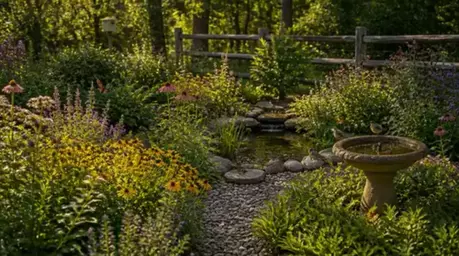
- Water Features: Even a small birdbath or water bowl can attract thirsty visitors!
- Pollinator Habitats: Incorporate flowers that bloom at different times to support pollinators throughout the season. These habitats are crucial for pollinator gardens for local biodiversity.
Engaging with Your Landscape: Tools and Resources
As you delve into the world of landscape design, having the right tools can make all the difference! Engaging with your landscape involves utilizing various resources that can enhance your planning and enjoyment. Let's explore some valuable tools and resources tailored to homeowners and gardeners alike.
Interactive Tools and Calculators for Planning
To ensure your landscape project is a success, consider leveraging interactive tools and calculators. These can help you visualize and plan your space effectively:
- Space Planning Calculators: These tools help you determine the ideal layout based on available space.
- Plant Selection Tools: Online platforms can recommend plants based on your climate and design preferences.
- Budgeting Tools: Keep track of expenses with budgeting calculators tailored for landscaping projects!
Embedding Calculators for Space and Plant Selection
Embedding user-friendly calculators on your website can provide visitors with instant assistance while planning their landscapes. These tools foster user engagement and enhance their experience.
Comparative Reviews of Landscape Apps and Tools
With so many landscape design apps available, it’s useful to read reviews comparing their features. Here’s a quick look at some popular options:
- Garden Planner: Great for visualizing layouts with drag-and-drop features.
- PlantSnap: An app to help identify plants and receive care tips!
- Home Outside: Offers comprehensive landscape design options with a focus on aesthetics!
Outdoor Living Spaces: Enhancing Enjoyment and Functionality
Creating a space where you can unwind and enjoy nature is essential. Here are some ideas for incorporating outdoor living elements into your landscape:
- Incorporating Outdoor Furniture: Choose multi-functional furniture that can be easily moved or stored.
- Lighting Design: Install soft lighting to create ambiance and ensure safety during nighttime gatherings!
Final Thoughts on Planning Your Small Space Landscape
As we wrap up this journey through small space landscaping, remember that every step you take is significant! Each decision contributes to creating a beautiful and functional environment. I encourage you to take the insights shared here and start your own landscape project today! For more guidance on specialized care, consider our article on professional tree care services explained.
Summarizing Key Steps for Effective Landscape Layout
From measuring your space to selecting the right plants and implementing maintenance strategies, every aspect matters. Keep your goals in mind, and don’t hesitate to seek inspiration from resources like Timberline Garden to help guide you along the way!
With a little effort and creativity, your small landscape can become a personal oasis that enhances your quality of life. Happy gardening!
Recap of Key Points
Here is a quick recap of the important points discussed in the article:
- Understand Unique Challenges: Small landscapes face limitations like space and sunlight, requiring thoughtful design choices.
- Maximize Usability: Balance aesthetics with functionality by selecting the right plants and features that enhance your space.
- Utilize Vertical Space: Implement vertical gardening techniques and container plants to create an illusion of openness.
- Leverage Technology: Use online landscape design tools and apps to visualize your project and streamline planning.
- Emphasize Maintenance: Regular pruning, wise watering, and responsible fertilization are crucial for sustaining your landscape.
- Engage with Wildlife: Incorporate native plants and water features to attract local wildlife to your urban garden.