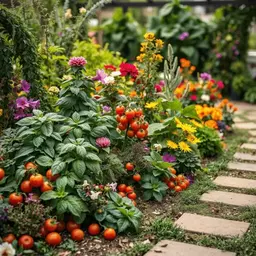
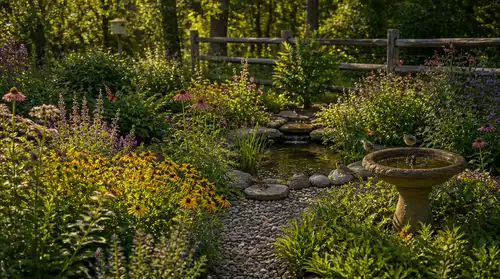
What if your garden could become a sanctuary for wildlife? By creating habitats that support local flora and fauna, you not only beautify your space but also play a crucial role in maintaining ecological balance. A thriving wildlife garden can transform your outdoor experience and contribute positively to the environment.
What You Will Learn
- Understanding wildlife habitats is essential for promoting biodiversity and supporting local ecosystems.
- Creating a wildlife-friendly landscape enhances aesthetic appeal while providing natural pest control and pollination support.
- Tailoring habitats to meet the specific needs of birds and pollinators increases their chances of thriving in your garden.
- Utilizing practical tools such as plant palettes and habitat calculators can streamline your garden planning and design process.
- Incorporating sustainable practices like xeriscaping and rain gardens helps conserve resources while supporting local wildlife.
- Community collaboration amplifies the impact of wildlife habitat promotion and fosters a network of support among local residents.
- Sharing your gardening successes can inspire others and create a sense of community around wildlife-friendly landscaping efforts.
Key Benefits of Creating Wildlife Habitats
Explore the various advantages that come with promoting wildlife habitats in your landscaping efforts.
Increased Biodiversity
Supporting various species can lead to a healthier ecosystem.
Pollination Support
Attracting pollinators like bees and butterflies boosts the productivity of your plants.
Natural Pest Control
Wildlife helps keep pest populations in check, reducing the need for chemical pesticides.
Educational Opportunities
A wildlife-friendly garden offers an excellent opportunity for family and friends to learn about nature.
Understanding the Importance of Wildlife Habitat in Landscaping
Creating a thriving wildlife habitat in your landscaping is not only beneficial for local ecosystems but also enhances the beauty of your outdoor space. Have you ever noticed how lively your yard becomes with the flutter of butterflies or the cheerful chirping of birds? By understanding the importance of wildlife habitats, we can transform our gardens into places that nurture both flora and fauna, creating a balanced ecosystem that benefits everyone! For more design ideas, explore how to build a sustainable landscape design.
So, what exactly is a wildlife habitat? It's an environment where animals and plants can thrive, fulfill their needs for food, water, shelter, and space. When you incorporate these elements into your landscape design, you contribute to a healthier environment and promote biodiversity. At Timberline Garden, we believe that every garden has the potential to be a sanctuary for wildlife and a delightful space for humans.
Defining Wildlife Habitat and Its Role in Ecosystems
A wildlife habitat is more than just a pretty garden; it serves a vital role in our ecosystem. It provides shelter and sustenance for various species, supporting the delicate balance of nature. Without these habitats, many local species may struggle to survive, leading to a decline in biodiversity. By integrating wildlife habitats into our landscaping efforts, we can ensure that our properties contribute positively to the environment.
Think about the various animals that inhabit your area—birds, bees, and butterflies, to name a few. Each of these creatures plays a unique role in pollination, seed dispersal, and pest control, all of which contribute to a thriving ecosystem. By fostering a wildlife habitat, you're not just beautifying your yard; you're also creating a supportive environment for wildlife to flourish!
The Benefits of Promoting Wildlife Habitat Through Landscaping
There are countless benefits to creating a wildlife-friendly landscape. Not only does it enhance your garden's aesthetic appeal, but it also supports local ecology and improves your outdoor experience. Here are just a few advantages of promoting wildlife habitats:
- Increased Biodiversity: Supporting various species can lead to a healthier ecosystem.
- Pollination Support: Attracting pollinators like bees and butterflies boosts the productivity of your plants.
- Natural Pest Control: Wildlife helps keep pest populations in check, reducing the need for chemical pesticides.
- Educational Opportunities: A wildlife-friendly garden offers an excellent opportunity for family and friends to learn about nature.
At Timberline Garden, we understand how rewarding it is to create a space that both you and local wildlife can enjoy. So, let's explore how to make your landscape a haven for wildlife while enriching your outdoor living experience!
Quick Summary
Here's a brief recap of the key points discussed so far:
- Wildlife habitats enhance local ecosystems and beautify outdoor spaces.
- Creating tailored environments supports the unique needs of various species.
- Sustainable practices, such as xeriscaping and rain gardens, promote conservation while benefiting wildlife.
- Community involvement amplifies efforts and fosters a collective commitment to wildlife protection.
Expanding Your Knowledge and Resources on Wildlife Habitat Landscaping
As we dive deeper into the world of wildlife habitat landscaping, it becomes essential to understand the specific needs of our feathered friends and pollinators. Did you know that creating tailored habitats can significantly enhance their chances of thriving in your backyard? Whether you're a seasoned gardener or just starting, understanding these nuances can make all the difference in your efforts to support local wildlife. To learn more about selecting appropriate foliage, consider planting native plants for sustainable landscapes.
By focusing on the unique requirements of birds and pollinators, we can cultivate spaces that benefit not only the wildlife but also enrich our own outdoor experiences. This approach promotes biodiversity and helps create an ecosystem that flourishes. Let's explore what it takes to create these special habitats!
Understanding Pollinator-Specific and Bird-Specific Needs
To create effective habitats, it's crucial to know what attracts birds and pollinators to your landscape. Each species has unique needs, and addressing these can lead to a vibrant ecosystem in your garden. Consider the following:
- Food Sources: Pollinators need nectar-rich flowers, while birds often require seeds, fruits, and insects.
- Water Access: Providing clean water sources, such as birdbaths or shallow dishes, is vital for both birds and beneficial insects.
- Shelter: Incorporate plants and structures that offer cover and nesting sites for birds and safe resting spots for pollinators.
By creating habitats that cater to these specific needs, you’re not just enhancing your garden—you’re playing a role in supporting local wildlife populations!
Creating Habitats Tailored for Birds and Pollinators
Let’s dig a little deeper into how to create tailored habitats. One way is to plant a variety of native species that support both birds and pollinators. Native plants are adapted to local conditions and offer the best resources for wildlife. Here are some effective strategies:
- Choose Diverse Plant Species: Incorporate a mix of flowering plants, shrubs, and trees to attract various birds and insects.
- Provide Nesting Materials: Use natural materials like twigs, leaves, and grasses for birds to build nests.
- Create Plant Clusters: Group plants together to provide a more inviting space for pollinators to find food and shelter.
These thoughtful additions can create a thriving habitat that benefits both wildlife and your enjoyment of the space!
Practical Tools and Resources for Backyard Gardeners
As you embark on your journey to create a wildlife-friendly landscape, having the right tools and resources can make the process smoother. At Timberline Garden, I’m passionate about providing practical advice to help you succeed. Here are some resources you can use:
- Downloadable Checklists: Keep your projects organized with checklists tailored for creating wildlife habitats.
- Plant Palettes: Access plant palettes that offer recommendations based on your region to ensure the right fit for your landscape.
- Habitat Calculators: Utilize online calculators to help design optimal spaces for wildlife, considering factors like area size and plant choices.
These tools can empower you to create a stunning and functional outdoor space that supports local wildlife!
Utilizing Habitat Calculators for Optimal Design
Another great resource is habitat calculators, which can help you determine the best layout for your wildlife-friendly space. By inputting your garden’s size and conditions, these calculators generate tailored suggestions that maximize your efforts. It’s like having a personal garden consultant at your fingertips!
Using these resources not only simplifies the planning process but also enhances your ability to make informed decisions that positively impact the wildlife in your area.
Green Infrastructure and Sustainable Practices for Wildlife
Incorporating green infrastructure into your wildlife habitat design is crucial for creating sustainable practices that benefit both the environment and your landscaping goals. Concepts like xeriscaping and rain gardens can conserve water while providing essential resources for wildlife. Here’s how:
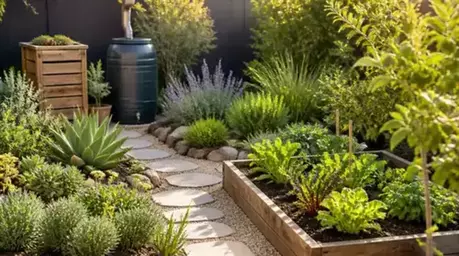
- Xeriscaping: Design drought-resistant landscapes using native plants that require minimal watering—perfect for conserving water!
- Rain Gardens: Create gardens that capture and absorb rainwater runoff, helping to filter pollutants and provide a habitat for beneficial insects and amphibians.
- Wildlife-Friendly Fencing: Consider fencing that allows small wildlife to pass through, promoting habitat connectivity.
These sustainable practices not only support wildlife but also contribute to a healthier environment for everyone! For more ideas on efficient water use, explore designing a water-efficient garden.
Wildlife Friendly Fencing and Habitat Connectivity
When planning your landscape, think about how fencing may impact local wildlife. Using permeable fencing or creating gaps allows animals to move freely between areas, helping to maintain ecological balance. This simple change can make a significant impact on the health of your local ecosystem.
Ultimately, these sustainable practices will lead to a thriving wildlife community in your own backyard, making it a rewarding experience!
Encouraging Community Participation in Wildlife Habitat Promotion
Creating wildlife habitats is not just an individual endeavor; it's a community effort! At Timberline Garden, I believe that collaborating with local organizations and extension services can amplify our impact. By working together, we can enhance our surroundings and support wildlife on a larger scale. For more information on community-driven initiatives, consider how pollinator gardens contribute to local biodiversity.
Collaborating with Local Organizations and Extension Services
There are many ways to engage with your community in promoting wildlife habitats. Consider reaching out to local extension services, garden clubs, or wildlife organizations. You can:
- Participate in Workshops: Attend workshops focused on wildlife gardening to learn and share knowledge.
- Join Community Projects: Get involved in local habitat restoration projects to connect with like-minded individuals.
- Host Informational Events: Organize talks or events to raise awareness about the importance of wildlife habitats.
By coming together, we can create a network of support for wildlife and enhance our community's beauty!
Sharing Your Success Stories and Results
Don’t forget to share your experiences with others! Sharing success stories not only inspires others but also creates a sense of community. Whether it’s posting photos on social media or writing articles, your journey can motivate others to take action. Remember, every little effort counts towards creating wildlife-friendly landscapes!
Frequently Asked Questions (FAQs) About Wildlife Habitat Landscaping
- What is a wildlife habitat in a landscaping context?
- A wildlife habitat in landscaping is an environment designed to provide essential resources—food, water, shelter, and space—for local animals and plants to thrive, thus promoting biodiversity and ecological balance.
- What are the key benefits of creating wildlife habitats in my garden?
- Key benefits include increased biodiversity, enhanced pollination support for your plants, natural pest control, and valuable educational opportunities for you and your family to learn about nature.
- How can I tailor my garden to meet the specific needs of birds and pollinators?
- You can tailor your garden by providing diverse food sources (nectar-rich flowers for pollinators, seeds/fruits/insects for birds), accessible water sources (birdbaths), and ample shelter through various plants and structures for nesting and resting.
- What practical tools are available to help me design an optimal wildlife habitat?
- Practical tools include downloadable checklists to organize your projects, plant palettes to recommend region-specific plants, and habitat calculators to help design optimal spaces based on your garden's size and conditions.
- What sustainable practices can I incorporate into my wildlife-friendly landscape?
- Sustainable practices include xeriscaping for drought resistance, creating rain gardens to capture and absorb runoff, and using wildlife-friendly fencing to allow small animals to move freely, promoting habitat connectivity.
- How can community involvement amplify the impact of wildlife habitat promotion?
- Community involvement through collaboration with local organizations, participation in workshops, joining community projects, and hosting informational events can create a network of support, amplify efforts, and enhance local ecosystems on a larger scale.
Summary and Call to Action for Aspiring Wildlife Habitat Promoters
As we wrap up our exploration of wildlife habitat landscaping, I encourage you to take the first steps toward creating your own wildlife-friendly space. With the right knowledge and resources, you can make a difference in your community and support local ecosystems. It’s a rewarding journey that will connect you with nature and enhance your outdoor living experience!
Share your experiences, successes, and challenges with others in the community. Let’s work together to create beautiful, sustainable landscapes that benefit our wildlife and enrich our lives!
Recap of Key Points
Here is a quick recap of the important points discussed in the article:
- Understanding Wildlife Habitat: A wildlife habitat provides essential food, water, shelter, and space for animals and plants to thrive, promoting biodiversity.
- Benefits of Wildlife-Friendly Landscaping: Increased biodiversity, pollination support, natural pest control, and educational opportunities enrich both the garden and local ecosystems.
- Tailored Habitats: Creating specific habitats for birds and pollinators involves providing appropriate food sources, water access, and shelter to attract various species.
- Sustainable Practices: Incorporate green infrastructure such as xeriscaping and rain gardens to conserve resources while supporting wildlife.
- Community Engagement: Collaborate with local organizations to promote wildlife habitats and share success stories to inspire others.