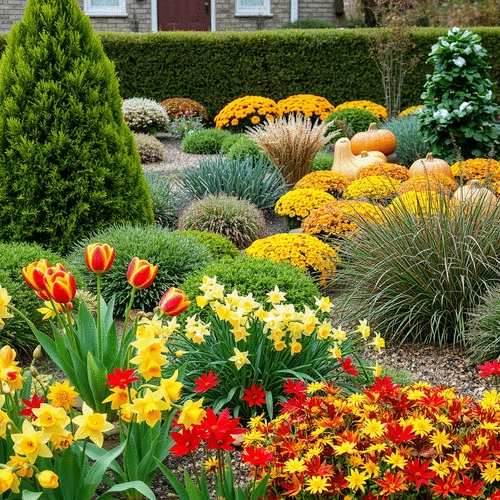
Did you know that a well-planned garden can not only beautify your home but also enhance local ecosystems? Understanding seasonal landscaping is key!
What You Will Learn
- Adapting gardening strategies to seasonal changes maximizes plant health and garden aesthetics.
- Effective seasonal planning involves using a gardening calendar and researching optimal planting times.
- A year-round garden aesthetic invites beneficial wildlife and maintains visual interest and curb appeal.
- Spring is the perfect time for planting; essential techniques include soil testing and choosing native plants.
- Container gardening is an effective way to utilize small spaces and can be creatively designed with herbs and flowers.
- Sustainability in gardening can be achieved through the use of native plants and organic fertilizers to enhance soil health.
- Engaging with local gardening initiatives fosters community and enriches your gardening experience.
Key Insights on Seasonal Landscaping
Seasonal landscaping enhances the aesthetic appeal and health of your garden by adjusting care based on the changing seasons. Below are some important insights derived from seasonal gardening practices. For more information on creating a resilient and beautiful outdoor space, consider building a sustainable landscape design.
Spring Benefits
- Promotes healthy growth and blooming.
- Best time for planting and nurturing.
- Native plants thrive and require less maintenance.
Year-Round Garden Aesthetic
- Consistent blooms for visual interest.
- Supports a diverse ecosystem.
- Reduces peak season maintenance work.
Sustainable Practices
- Use of native plants to thrive in local climates.
- Incorporating organic fertilizers for soil health.
- Emphasis on conservation methods in gardening.
Engagement in Local Initiatives
- Join local gardening clubs.
- Participate in community gardens.
- Attend workshops on sustainable gardening.
Seasonal Landscaping Tips for Stunning Year-Round Gardens
Creating a beautiful garden that flourishes year-round is within reach for every homeowner! At Timberline Garden, I believe understanding the seasonal changes in gardening is essential for achieving stunning results. Not only does planning for each season enhance the aesthetic appeal of your landscape, but it also promotes the health and longevity of your plants. So, let’s dive into some key insights that will help you embrace seasonal landscaping like a pro!
Understanding Seasonal Changes in Gardening
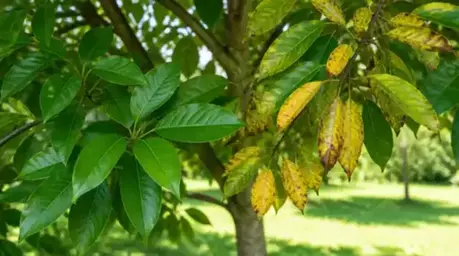
Gardening is an art that reflects the changing rhythms of nature. Each season brings its own unique challenges and opportunities, making it vital to adapt your gardening strategies accordingly. By observing the climate and soil conditions throughout the year, you can tailor your care for your plants, ensuring they thrive in their particular environment. Have you ever noticed how certain gardens are more vibrant in one season than another? That’s the power of understanding these seasonal changes!
The Importance of Seasonal Planning for Homeowners
Seasonal planning is crucial for homeowners looking to maintain a beautiful garden. By mapping out your gardening tasks, you can ensure that everything from planting to trimming is done at the right time. This proactive approach not only saves time but also reduces stress during busy gardening months. For more detailed guidance, explore native plants for sustainable landscapes. Here are some tips for effective seasonal planning:
- Keep a gardening calendar to track planting and maintenance tasks.
- Research the best planting times for your specific plant species.
- Consider using garden design software to visualize seasonal changes.
Benefits of a Year-Round Garden Aesthetic
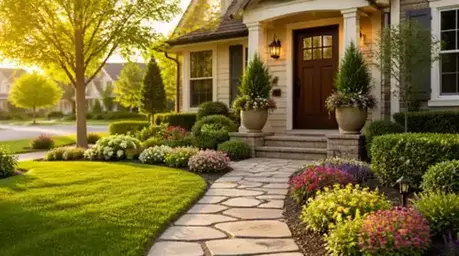
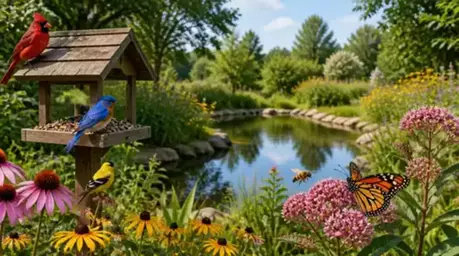
Imagine stepping outside to a garden that captivates you every month of the year! A year-round garden aesthetic not only elevates your home's curb appeal but also provides a welcoming environment for relaxation and enjoyment. Additionally, it invites beneficial wildlife like birds and butterflies into your space, which can enhance the overall health of your garden. Here are a few benefits of maintaining a year-round garden:
- Consistent blooms and foliage offer visual interest throughout the seasons.
- A diverse garden ecosystem promotes healthier plants.
- Year-round maintenance leads to less work during peak seasons.
Spring Landscaping Strategies for Healthy Growth
Spring is an exciting time in the gardening world! As the days get longer and warmer, it's the perfect opportunity to lay the groundwork for a vibrant garden. This season is all about planting, nurturing, and watching your hard work come to life. Let’s explore some essential strategies for achieving healthy growth this spring!
Essential Spring Planting Techniques for Vibrant Blooms
When it comes to spring planting, timing and technique are key! Understanding the best practices will set you up for success. Here are some essential techniques to consider:
- Start with a soil test to ensure your garden has the right nutrients.
- Choose plants that are suited for your local climate and soil.
- Consider companion planting to maximize growth and deter pests.
Recommended Native Plants and Perennials for Spring
Selecting the right plants can make all the difference! Native plants and perennials are fantastic choices as they are adapted to your local environment and often require less maintenance. To learn more about selecting the right greenery, check out these tips on embracing native plants in landscaping. Here’s a list of recommended plants for spring:
- Black-eyed Susan (Rudbeckia hirta)
- Bee balm (Monarda didyma)
- Daylily (Hemerocallis)
Container Gardening Ideas for Spring
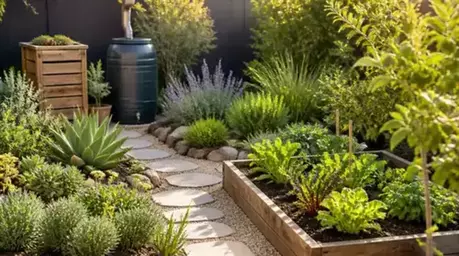
If you're short on space or want to add some charm to your porch, container gardening is a wonderful option! It allows you to get creative while still enjoying the beauty of spring blooms. Here are some ideas for container gardening:
- Mix herbs like basil, thyme, and mint for a fragrant kitchen garden.
- Create a colorful display with annuals like petunias and impatiens.
- Consider using vertical planters to save space and add dimension.
As we move through the seasons, remember that thoughtful planning and preparation will yield rewarding results. At Timberline Garden, we’re here to support your journey every step of the way! Let’s keep your garden flourishing, no matter the season!
Pro Tip
Did you know? Incorporating seasonal color schemes can enhance your garden's visual appeal throughout the year! By selecting a mix of flowering plants and foliage that bloom or change color with the seasons, you can create a dynamic landscape that remains captivating. For example, consider planting tulips and daffodils for spring, followed by vibrant zinnias in summer, and then transitioning to golden hues with chrysanthemums in the fall. This not only adds beauty but also keeps your gardening tasks manageable!
FAQs on Seasonal Landscaping
Recap of Seasonal Landscaping Insights for Year-Round Gardens
As we wrap up our exploration of seasonal landscaping, it's vital to recognize how seasonal adaptations can greatly enhance your garden's beauty and health. By understanding the unique needs of your outdoor space throughout the year, you can create a thriving environment that reflects the changing seasons. This adaptability not only promotes a vibrant landscape but also supports local ecosystems, allowing us to enjoy nature's splendor all year long!
One key takeaway is the importance of planning ahead. By anticipating seasonal changes, you can ensure that your garden not only looks stunning but also remains resilient against environmental challenges. Integrating this approach into your gardening routine will lead to a more sustainable and manageable landscape!
Summarizing the Importance of Seasonal Adaptations
When we talk about sustainability in garden design, we should emphasize practices that promote ecological balance. Adopting a seasonal approach encourages the use of native plants, which not only thrive in the local climate but also attract beneficial wildlife. It’s rewarding to see how these plants contribute to a healthier environment while adding natural beauty to your garden.
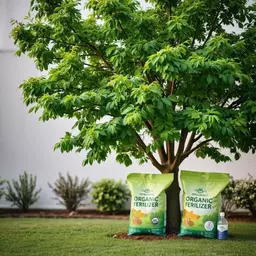
Additionally, incorporating organic fertilizers into your seasonal routine can significantly enhance soil health. This practice aligns with Timberline Garden's commitment to sustainability, allowing you to nourish your plants without the environmental impact of synthetic options. For more insights on ecological balance, refer to our guide on eco-friendly lawn care practices. Here are some effective organic fertilizer options you might consider:
- Compost
- Manure
- Bone meal
- Fish emulsion
Emphasizing Sustainability in Garden Design
At Timberline Garden, we truly believe that every small effort counts when it comes to creating an eco-friendly landscape. By focusing on sustainable practices, such as reducing waste and conserving water, you can contribute to the larger goal of protecting our planet. As you plan your garden, think about ways you can incorporate eco-friendly methods to reduce your carbon footprint.
Ultimately, sustainable gardening is not just about the plants you choose, but also about the methods you use. Incorporating practices like mulching and using drought-resistant plants can lead to a more resilient garden that thrives in all seasons!
Engagement and Next Steps for Gardening Enthusiasts
For those eager to dive deeper into the world of gardening, I encourage you to consult with landscaping experts. At Timberline Garden, we offer tailored advice that caters to your unique garden needs. Whether you're looking for soil improvement tips or want to explore the best native plants for your area, seeking guidance can make a significant difference in achieving your gardening goals! You might also find value in understanding professional tree care services explained for a comprehensive approach to your landscape.
Additionally, getting involved in local gardening initiatives can be incredibly rewarding. By participating in community projects, you not only expand your knowledge but also connect with fellow gardening enthusiasts. Here are some ways to engage with your community:
- Join a local gardening club
- Participate in neighborhood clean-up days
- Attend workshops on sustainable gardening practices
- Volunteer at community gardens
Encouraging Community Involvement in Local Gardening Initiatives
After all, gardening is more enjoyable when we share the experience with others. Together, we can create beautiful landscapes that benefit our communities and the environment. So, grab a friend or neighbor, and let’s embark on this gardening journey together!
Recap of Key Points
Here is a quick recap of the important points discussed in the article:
- Understanding seasonal changes helps tailor care for your plants, ensuring optimal growth and health.
- Planning ahead with a gardening calendar can streamline tasks and reduce stress during busy gardening months.
- Maintaining a year-round garden aesthetic enhances curb appeal and attracts beneficial wildlife.
- Spring is ideal for planting; consider soil testing and companion planting for the best results.
- Incorporating native plants and organic fertilizers supports local ecosystems and soil health.
- Engaging with community gardening initiatives fosters knowledge sharing and enhances local landscapes.