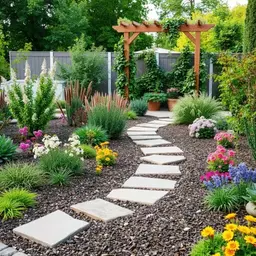
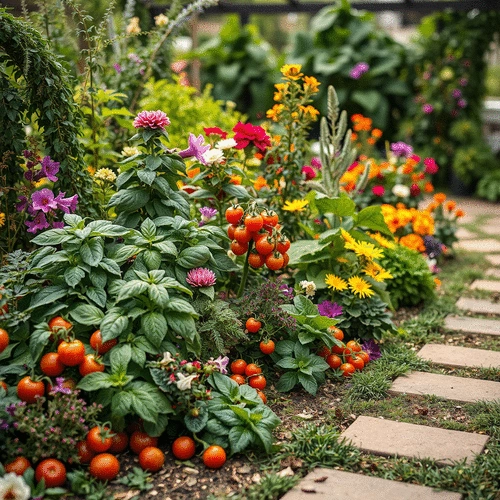
Did you know that incorporating edible plants into your landscape can transform not only the aesthetics of your garden but also enhance your lifestyle? Discover how you can create a vibrant and functional outdoor space that yields fresh produce right at your fingertips!
What You Will Learn
- Enhanced Aesthetic Appeal: Edible plants can beautify your garden with their vibrant colors and unique textures.
- Sustainable Practices: Growing your own produce reduces your reliance on store-bought items and lowers your carbon footprint.
- Climate-Specific Plant Choices: Different climates support different crops; knowing yours can optimize your garden's yield.
- Maximizing Small Spaces: Creative solutions like vertical gardening and container gardening make it possible to grow edibles even in limited spaces.
- Benefits of Native Plants: Including native species in your landscape enhances biodiversity, requires less maintenance, and supports local ecosystems.
- Beginner-Friendly Plants: Start your gardening journey with easy-to-grow options like radishes, lettuce, and herbs to build confidence.
- Community Inspiration: Real-life examples of families and communities successfully integrating edible landscaping can motivate you to start your own garden.
Benefits of Edible Landscaping
Here are key advantages of incorporating edible plants into your landscape, displayed in a side-by-side comparison.
Enhanced Aesthetic Appeal
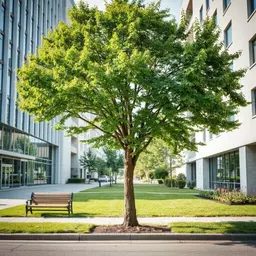
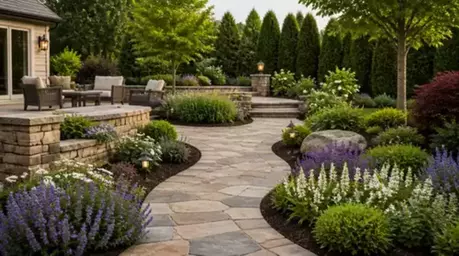
Edible plants can be just as beautiful as traditional flowers, offering vibrant colors and unique textures.
Sustainability
Growing your own produce reduces reliance on store-bought items, decreasing your carbon footprint.
Fresh Produce
Fresh Produce
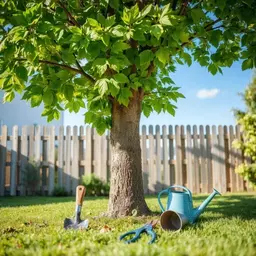
Enjoy the satisfaction of harvesting fruits, vegetables, and herbs right from your garden.
Transforming Your Landscape with Edible Plants
Imagine walking through your garden and plucking fresh herbs for dinner or tasting sweet fruits right off the tree. Incorporating edible plants into your landscape not only beautifies your outdoor space but also provides delicious rewards! At Timberline Garden, we believe that blending aesthetics with practicality is key to creating a thriving environment that you can enjoy all year round. Learn more about building a sustainable landscape design for your home.
In this guide, we'll explore the many benefits of edible landscaping, from enhancing your garden's appearance to supporting sustainable practices. By the end, you'll have the knowledge to transform your landscape into a functional and beautiful haven of fresh produce!
Understanding the Benefits of Edible Landscaping
When you think of landscaping, you might picture colorful flowers and neatly trimmed shrubs. However, edible landscaping brings a whole new level of excitement! Here are some benefits to consider:
- Enhanced Aesthetic Appeal: Edible plants can be just as beautiful as traditional flowers, offering vibrant colors and unique textures.
- Sustainability: Growing your own produce reduces reliance on store-bought items, decreasing your carbon footprint.
- Fresh Produce: Enjoy the satisfaction of harvesting fruits, vegetables, and herbs right from your garden.
Incorporating edible plants can create a rich tapestry of flavors and colors. By choosing a variety of plants, you’ll attract beneficial wildlife like pollinators, which can help your garden flourish!
Identifying the Right Edible Plants for Your Space
Choosing the right edible plants is essential for a successful garden. What grows well in one climate may struggle in another. Let’s dive into how climate and space affect your choices!
Climate-Specific Recommendations for Successful Growth
Understanding your local climate can help you select plants that thrive. Here are a few recommendations:
- Cool Climates: Consider growing spinach, leeks, and strawberries for a bountiful harvest.
- Warm Climates: Options like tomatoes, peppers, and melons can flourish in the heat.
- Temperate Zones: Look into herbs like basil, parsley, and oregano that can thrive in varying conditions.
Remember, the right plant in the right place can make all the difference in your garden's success! For more insights into climate-specific gardening, check out our guide on designing a water-efficient garden.
Choosing Plants Based on Space and Layout
Space is a significant factor in garden planning. Whether you have a sprawling backyard or a cozy balcony, there are options for everyone! Here are some ideas:
- Small Spaces: Container gardening is a fantastic solution. Herbs like chives and cilantro can thrive in pots!
- Vertical Gardening: Utilize trellises for climbing plants like beans and cucumbers to save ground space.
- Large Landscapes: Create dedicated sections for fruits, vegetables, and herbs to maintain organization and accessibility.
By thoughtfully planning your layout, you can maximize your yield while enjoying a garden that looks stunning!
Exploring Edible Plant Varieties: From Herbs to Fruits
The world of edible plants is vast and exciting! Here are some categories to explore:
- Culinary Herbs: Rosemary, thyme, and mint add flavor to your meals.
- Fruit Trees: Apples, cherries, and citrus trees bring beauty and produce.
- Perennial Vegetables: Consider asparagus, rhubarb, and artichokes for a sustainable harvest year after year.
Each of these edible varieties can be a delightful addition to your landscape. By incorporating a mix of plants, you’ll create a rich and diverse garden that offers seasonal surprises!
Designing Your Edible Landscape
Creating a beautiful edible landscape is about more than just choosing plants. It’s also about how you integrate them into your existing garden design. Let’s explore some practical tips!
Pro Tip
Did you know? Incorporating companion planting into your edible landscape can enhance growth and deter pests naturally. For instance, planting basil alongside tomatoes not only improves their flavor but also helps repel harmful insects. This technique maximizes the potential of your garden while keeping it healthy and productive!
Engaging with Your Edible Landscape
As you embark on your journey of creating an edible landscape, you may have a few questions swirling in your mind. At Timberline Garden, I believe that understanding the integration of edible plants can really transform your outdoor space. Let’s dive into some common queries that many aspiring edible gardeners have!
Common Questions About Edible Plant Integration
What are the Best Edible Plants for Beginners?
If you're just starting out, don't worry! There are plenty of easy-to-grow options that can get you excited about edible gardening. Here are some beginner-friendly plants:
- Radishes: Fast-growing and perfect for quick satisfaction!
- Lettuce: A versatile green that thrives in cooler weather.
- Herbs: Basil, parsley, and mint are simple to grow and add flavor to your meals.
- Tomatoes: A classic choice that many love to cultivate.
These plants not only boost your confidence but can also provide fresh ingredients right from your garden!
How to Maximize Space for Edible Plants?
Living in a small area or urban setting doesn't mean you can't have a thriving edible garden! Here are some tips to optimize your space: For further inspiration on making the most of your garden, consider exploring year-round garden landscaping tips.
- Vertical Gardening: Use trellises or wall planters to grow upwards.
- Container Gardening: Utilize pots and containers to grow a variety of plants in limited space.
- Succession Planting: Plant new crops as soon as you harvest to make the most out of your space.
- Window Boxes: Transform your windowsills into mini herb gardens!
By thinking creatively, you can create a vibrant edible garden even in the smallest spaces!
What is the Role of Native Plants in Edible Landscaping?
Integrating native plants into your edible landscape brings numerous benefits. These plants are adapted to your local climate and soil, making them more resilient. Here are some key reasons to consider: Delve deeper into this topic with our comprehensive guide on native plants for sustainable landscapes.
- Enhanced Biodiversity: Native plants attract local pollinators, which can help your edible plants thrive.
- Less Maintenance: They typically require less water and care compared to non-native species.
- Support Ecosystems: Native plants can help restore natural habitats and promote overall ecosystem health.
By including native plants in your edible landscape, you're contributing to a healthier environment while enjoying delicious produce!
Real-Life Examples and Case Studies
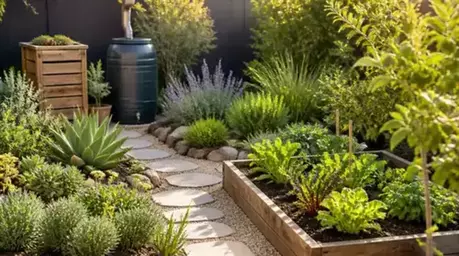
At Timberline Garden, I've seen firsthand the magic of edible landscaping. For example, a local family transformed their backyard by integrating raised beds filled with herbs and vegetables alongside beautiful flowering plants. Their children are now excited about eating fresh salads right from their garden! These success stories motivate others to take the plunge into edible gardening.
Another inspiring case is a community project where vacant lots were turned into urban gardens. Not only did they provide fresh food, but they also became vibrant gathering spots for neighbors to connect. These real-life examples show just how rewarding edible landscaping can be!
Conclusion and Call to Action for Aspiring Edible Gardeners
Now that we've explored some common questions and real-life inspirations, it’s time for you to start your own edible landscape! Begin by selecting a few easy-to-grow plants that excite you and fit your space. Remember, gardening is a journey, not a race!
I invite you to share your experiences in the comments below or ask any questions you have. Let’s create a community of edible gardeners together at Timberline Garden, where we can learn and grow side by side!
Frequently Asked Questions About Edible Landscaping
Q: What are the primary benefits of edible landscaping?
A: Edible landscaping offers several benefits, including enhanced aesthetic appeal with vibrant plants, increased sustainability by reducing reliance on store-bought produce, and the enjoyment of fresh, homegrown fruits, vegetables, and herbs.
Q: How do I choose the right edible plants for my climate?
A: Selecting plants based on your local climate is crucial. Cool climates are good for spinach, leeks, and strawberries; warm climates suit tomatoes, peppers, and melons; and temperate zones can support herbs like basil, parsley, and oregano. Researching plants native to your region is always a good starting point.
Q: Can I create an edible garden in a small space?
A: Absolutely! Small spaces can be optimized using container gardening for plants like chives and cilantro, vertical gardening with trellises for climbing plants such as beans and cucumbers, and even window boxes for herbs. Creative planning allows for a thriving edible garden in limited areas.
Q: What role do native plants play in edible landscaping?
A: Native plants are highly beneficial as they are adapted to local climates and soils, requiring less maintenance. They enhance biodiversity by attracting local pollinators, which helps your edible plants thrive, and support overall ecosystem health.
Q: What are some beginner-friendly edible plants?
A: For beginners, easy-to-grow options include radishes (fast-growing), lettuce (versatile, thrives in cooler weather), various herbs (basil, parsley, mint are simple), and tomatoes, which are a classic and rewarding choice.
Recap of Key Points
Here is a quick recap of the important points discussed in the article:
- Enhanced Aesthetic Appeal: Edible plants can beautify your garden with vibrant colors and unique textures.
- Sustainability: Growing your own produce decreases reliance on store-bought items, lowering your carbon footprint.
- Climate Considerations: Choose plants that thrive in your local climate for better results.
- Space Optimization: Utilize container and vertical gardening techniques to maximize small spaces.
- Native Plants: Incorporate native species to enhance biodiversity and reduce maintenance needs.
- Beginner-Friendly Options: Start with easy-to-grow plants like radishes, lettuce, and herbs to build confidence.
- Community Engagement: Join or create community gardens to share knowledge and resources for successful edible landscaping.