Are you tired of struggling with pests in your garden, yet want to avoid harmful chemicals? Embracing organic pest control methods not only protects your plants but also fosters a healthier ecosystem for everyone involved. Here’s what you can gain by diving into organic gardening practices.
What You Will Learn
- Understanding Organic Methods: Gain insights into various organic pest control techniques such as biological control, cultural practices, mechanical methods, and natural remedies.
- Importance of Natural Solutions: Learn why choosing organic methods contributes to a healthier environment, supports biodiversity, and leads to better-tasting produce.
- Timing is Key: Discover optimal times to apply organic pest control methods to avoid infestations and ensure the health of your plants.
- Pest Identification: Understand how to identify common garden pests and select tailored organic solutions for effective management.
- Pest Monitoring Techniques: Implement strategies for monitoring pest activity and establishing pest thresholds to make informed treatment decisions.
- Community Learning: Embrace the power of shared knowledge and experiences within gardening communities to enhance your organic gardening journey.
Key Organic Pest Control Methods
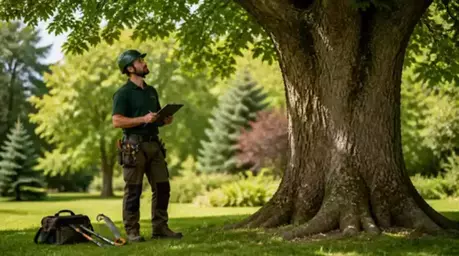
Explore the various organic pest control methods that can enhance your garden's health while being environmentally friendly. For more information on maintaining a vibrant outdoor space, consider our professional tree care services explained.
Biological Control
Utilizing beneficial insects, such as ladybugs and predatory wasps, to combat pests naturally.
Cultural Practices
Implementing practices like crop rotation and good garden hygiene to prevent pest outbreaks.
Mechanical Methods
Using physical barriers, traps, and handpicking to remove pests from your plants.
Natural Remedies
Applying solutions like neem oil or diatomaceous earth that deter pests without harming your garden.
Pest Monitoring Techniques
Regular inspection and establishing pest thresholds to monitor and manage pest populations effectively.
Understanding Organic Pest Control in Your Garden
When it comes to maintaining a thriving garden, organic pest control is one of the most effective and environmentally friendly approaches. It focuses on using natural methods to manage pests while preserving the integrity of your plants and the surrounding ecosystem. At Timberline Garden, I believe that understanding these methods is key to creating a healthy outdoor space that you can enjoy without worrying about harmful chemicals.
But what exactly does organic pest control entail? Essentially, it includes a variety of techniques and practices that help keep pests in check while promoting a balanced environment. This means using natural predators, biological methods, and organic materials to deter unwanted critters, ensuring your garden thrives sustainably!
Defining Organic Pest Control Methods
Organic pest control methods can be categorized into several main approaches, each with its own unique benefits. Here’s a quick overview of the most common techniques:
- Biological Control: Utilizing beneficial insects, such as ladybugs and predatory wasps, to combat pests naturally.
- Cultural Practices: Implementing practices like crop rotation and good garden hygiene to prevent pest outbreaks.
- Mechanical Methods: Using physical barriers, traps, and handpicking to remove pests from your plants.
- Natural Remedies: Applying solutions like neem oil or diatomaceous earth that deter pests without harming your garden.
These methods not only help control pests effectively but also support the overall health of your garden ecosystem. By embracing these techniques, you’re taking an important step toward fostering a sustainable landscape! You can also explore eco-friendly pest control tips for broader applications.
The Importance of Choosing Natural Solutions
Choosing organic pest control is not just about keeping chemicals away from your plants; it’s about creating a healthy environment for you, your family, and local wildlife. By opting for natural solutions, you’re supporting biodiversity and helping maintain the balance of your garden's ecosystem. This is essential for long-term plant health and resilience.
Moreover, utilizing organic methods can lead to better-tasting fruits and vegetables. Have you ever bitten into a juicy, garden-fresh tomato? Those delicious flavors often come from plants grown without synthetic pesticides. So, why not give your garden the best chance to thrive and flourish naturally? It’s a win-win for both you and the planet!
Quick Summary
Here's a brief recap of the key points discussed so far:
- Organic pest control focuses on using natural methods to manage pests and promote a healthy garden ecosystem.
- Key techniques include biological control, cultural practices, mechanical methods, and natural remedies.
- Choosing organic solutions not only protects your plants but also enhances the flavor of your produce.
- Effective pest management involves identifying pests early and applying appropriate organic solutions to maintain garden health.
Frequently Asked Questions About Organic Pest Control
What is organic pest control?
Organic pest control involves using natural methods and materials to manage garden pests, avoiding synthetic chemicals to protect plants and the ecosystem.
Why should I choose organic pest control over chemical methods?
Organic methods promote a healthier environment, support biodiversity, prevent harm to beneficial insects, and can lead to better-tasting produce. They are safer for you, your family, and local wildlife.
What are the main types of organic pest control methods?
The main types include biological control (using beneficial insects), cultural practices (crop rotation, garden hygiene), mechanical methods (barriers, traps, handpicking), and natural remedies (neem oil, diatomaceous earth).
When is the best time to apply organic pest control?
It's best to apply organic treatments at the first sign of pests or damage, rather than waiting for a full infestation. Regular monitoring helps catch issues early.
How do I identify garden pests to choose the right organic solution?
Observe your plants for signs like holes in leaves, sticky residue, or visible insects. Common pests include aphids, spider mites, and whiteflies. Once identified, you can select a tailored organic solution.
What are pest thresholds and how do they help?
Pest thresholds are predetermined levels of pest presence at which you decide to take action. They help you avoid unnecessary treatments and maintain a sustainable garden by acting only when necessary.
Addressing Common Pest Control Questions
As a gardener, it's natural to have questions about pest control, especially if you’re committed to using organic methods. Many of us want to know when and how to apply different strategies effectively. Through my experience at Timberline Garden, I've noticed that understanding the timing and specific approaches can significantly impact your garden's health.
So, when should you consider using organic pest control methods? Typically, it's wise to apply treatments at the first sign of pests or damage, rather than waiting for a full-blown infestation. Keeping a close eye on your plants ensures you can catch issues early and reduce the need for more extensive measures. Let's explore some common scenarios where you might need to implement organic control methods.
- Early spring: Use neem oil to combat aphids as they start to emerge.
- Mid-summer: Apply diatomaceous earth to tackle any sudden outbreaks of insects.
- Fall: Implement preventative sprays before the dormant season.
Identifying Specific Pests and Tailored Solutions
Now that we have timing covered, let’s dive into identifying specific pests in your garden and how to address them. Knowing what you’re dealing with is crucial for effective pest management. You’ll find that some pests can be managed with simple organic solutions, while others may require a bit more finesse.
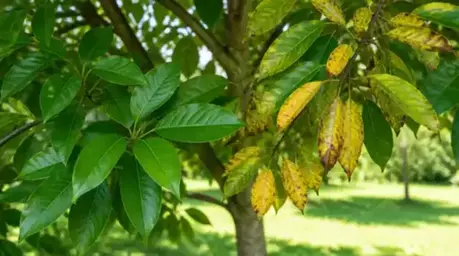
Start by observing the symptoms on your plants. Look for signs like holes in leaves, sticky residue, or visible insects. Some common pests include:
- **Aphids**: Soft-bodied insects that suck sap from plants.
- **Spider mites**: Tiny pests that create webbing on leaves.
- **Whiteflies**: Small, flying insects that congregate on the undersides of leaves.
Once you identify the pest, you can choose the right organic solution to tackle it effectively. Consulting resources like Timberline Garden can provide detailed guides on dealing with specific pests, ensuring you have a tailored strategy for your garden needs! For further reading on garden care, check out our guide on organic tips for lawn health.
Pest Monitoring Techniques and Pest Thresholds
Monitoring your garden for pest activity is a vital step in organic gardening. Understanding how to keep tabs on pest populations can help you make informed decisions about when to act. One effective technique is to regularly inspect your plants, looking for any signs of distress or pest presence.
Consider establishing pest thresholds—these are the levels of pest presence at which you decide to take action. This approach helps you avoid unnecessary treatments and can be particularly useful when you're trying to maintain a sustainable garden. Here’s a simple way to set your thresholds:
- Monitor pest populations regularly, noting any spikes.
- Determine a threshold for each type of pest based on your specific garden plants.
- Choose the organic control method that fits best when you reach that threshold.
By following these guidelines, you can make educated choices about when and how to address pest issues, ensuring your organic methods are both efficient and effective! This approach aligns well with principles found in sustainable tree care for homeowners.
Summarizing Effective Organic Pest Control Techniques
To wrap things up, let's revisit some of the key strategies for managing garden pests organically. Every gardener’s journey is unique, but having a set of reliable techniques can greatly enhance your efforts. By utilizing natural methods and being mindful of your garden's ecosystem, you can achieve remarkable results!
- Utilize neem oil and spinosad for effective insect control.
- Implement preventive strategies like good garden hygiene and crop rotation.
- Monitor pest activity and establish thresholds for action.
As you move forward, I encourage you to adopt these sustainable practices in your gardening routine. Get involved with your community, share experiences, and learn from one another. At Timberline Garden, we believe in the power of collective knowledge to enhance our outdoor spaces. Happy gardening! To further enhance your garden's health, consider practices like composting, a simple gardening guide.
Recap of Key Points
Here is a quick recap of the important points discussed in the article:
- Organic pest control focuses on natural methods to manage pests, preserving plant integrity and the ecosystem.
- Key organic methods include biological control, cultural practices, mechanical methods, and natural remedies.
- Choosing organic solutions supports biodiversity and enhances the flavor of homegrown produce.
- Early intervention is crucial; apply organic treatments at the first sign of pests to prevent infestations.
- Identifying specific pests allows for tailored organic solutions, improving pest management effectiveness.
- Regular monitoring and establishing pest thresholds help make informed decisions on pest control actions.
- Implement preventive strategies like crop rotation and garden hygiene for long-term pest management success.