As trees play an essential role in our environment, understanding how to care for them properly is crucial. A certified arborist can be your best ally in ensuring your trees are healthy, safe, and flourishing. Let's delve into the vital lessons from experts in tree maintenance.
What You Will Learn
- A certified arborist is a trained professional who understands tree biology and care, capable of diagnosing issues and recommending treatments.
- Certification ensures that arborists meet high standards in education and practical experience, which is essential for effective tree care and safety.
- Key indicators for hiring an arborist include visible safety risks, signs of disease, and the need for large-scale pruning or removal.
- Preparing for an arborist appointment, such as listing concerns and observing your trees, helps maximize the effectiveness of the consultation.
- Understanding common questions to ask your arborist can enhance your knowledge and foster a collaborative relationship for ongoing care.
- Verifying an arborist’s credentials and insurance coverage is critical to ensure you receive quality service and protection against potential liabilities.
- Soil health and proper fertilization are fundamental to tree longevity, impacting overall health and resistance to pests and diseases.
- Regular inspections and proactive care can prevent future issues, making seasonal check-ups with a certified arborist a worthwhile investment.
Tree Care Responsibilities of Certified Arborists
Certified arborists perform a variety of tasks crucial for tree health and safety, which can be categorized into key areas of focus.
Tree Pruning and Trimming
Regular pruning to maintain tree health and aesthetics, promoting growth and safety.
Disease Diagnosis and Treatment
Identifying tree diseases and pests, and recommending treatments to restore health.
Tree Removal and Risk Assessment
Assessing and removing hazardous trees to prevent safety risks in your landscape.
Consultation on Planting and Landscape Design
Providing expertise on tree placement and design to enhance the outdoor space.
Understanding the Role of a Certified Arborist in Tree Maintenance
As a passionate landscape expert at Timberline Garden, I often find myself discussing the vital role of a certified arborist in tree maintenance. Trees are more than just beautiful additions to our landscapes; they require knowledgeable care to thrive. So, what exactly does an arborist do? They are specialized professionals trained to care for trees, ensuring their health, safety, and longevity. For more details on the scope of their work, you can explore professional tree care services explained.
When you hire a certified arborist, you're putting your trees in the hands of someone who truly understands their needs. They possess the skills to diagnose issues, recommend treatments, and perform essential services like pruning or removal. This expertise can significantly enhance the beauty and safety of your outdoor space, ensuring your trees remain vibrant and healthy for years to come.
Defining Arborists and Their Expertise
What is a Certified Arborist?
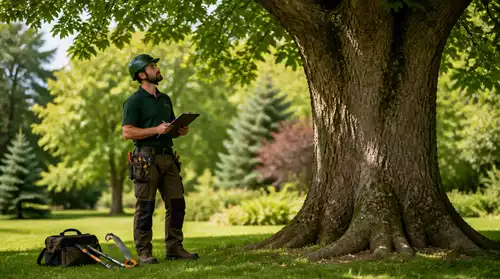
A certified arborist is a professional who has acquired formal training and has passed rigorous examinations in tree care. They understand not just how to maintain trees but also how to assess their health and manage any issues that arise. This certification means they stay updated on best practices and the latest innovations in tree care!
In essence, these professionals are tree doctors, equipped to handle various tasks, including:
- Tree pruning and trimming
- Disease diagnosis and treatment
- Tree removal and risk assessment
- Consultation on planting and landscape design
Importance of Certification in Tree Care
Why choose a certified arborist over someone who simply claims to be knowledgeable? Certification provides assurance that the arborist has met specific educational and practical experience standards. This distinction is crucial because it ensures proper techniques are applied, reducing risks involved in tree maintenance.
At Timberline Garden, I believe in the power of expertise! When you work with a certified professional, you're not just getting basic care; you're getting a partner who understands the intricacies of tree biology, ecology, and safety regulations. Remember, investing in certified care can save you both time and money in the long run! For tips on maintaining healthy trees through sustainable practices, consider reading about sustainable tree care for homeowners.
Key Indicators: When to Hire an Arborist for Tree Maintenance
Recognizing when to engage a certified arborist is essential for maintaining tree health and safety. Here are some key indicators that suggest it’s time to call in the professionals:
- Visible safety risks, such as leaning trees
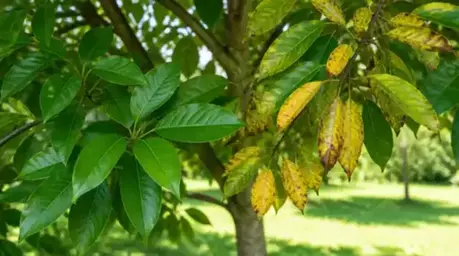
- Signs of disease or insect infestation
- Need for large-scale pruning or removal
- Storm damage assessment requirements
By keeping these indicators in mind, you can ensure your trees remain healthy and your landscape stays safe. It's always better to get a professional opinion when in doubt. After all, your outdoor space reflects your commitment to care!
Pro Tip
Did you know? Regularly monitoring your trees for early signs of stress, such as wilting leaves or unusual growth patterns, can help you catch issues before they escalate. Establishing a routine check-up with your arborist can ensure your trees receive timely care, enhancing their longevity and beauty!
Preparing for Your Arborist Appointment
Getting ready for a visit from a certified arborist can feel daunting, but it’s actually a great opportunity to learn about your trees and how to best care for them. As a landscape and tree care expert, I always recommend jotting down any concerns you have about your trees before your appointment. This way, you can make the most of your time with the arborist and ensure that every question gets answered!
During the visit, your arborist will assess the health and stability of your trees. They’ll look for signs of disease, damage, or any potential hazards. Understanding what to expect can help you feel more prepared. Why not grab a notebook and write down any observations you’ve made? That’ll give your arborist a clearer picture of what to look for!
What to Expect During an Arborist Visit
Each arborist visit is unique, but there are some common elements that you can expect. Typically, they will conduct a thorough inspection of your trees and surrounding area. Here are some key points to keep in mind:
- The arborist will evaluate the tree's overall health and any visible issues.
- They may discuss the tree’s growth patterns and any environmental factors affecting its health.
- You can expect their recommendations on care, including pruning or treatment options.
After the inspection, be sure to ask about any concerns that arise. Open communication is essential, and your arborist will appreciate your proactive approach. Remember, they are there to help you ensure the health and beauty of your landscape!
Common Questions to Ask Your Arborist
Before your arborist arrives, think about what you want to ask them. This will help you maximize the value of the appointment. Here are some questions you might consider:
- What are the signs of good tree health, and how can I recognize them?
- Are there specific maintenance tasks I should prioritize?
- What types of treatments are available for any identified issues?
- How often should I schedule follow-up inspections?
By asking these questions, you not only gain valuable insights but also build a relationship with your arborist. This connection can lead to better ongoing care for your trees!
Understanding the Assessment Process and Recommendations
The assessment process carried out by the arborist is crucial for understanding the health of your trees. They will provide you with a detailed report of their findings, which may include:
- The overall condition of each tree.
- Recommended immediate actions if any trees are deemed hazardous.
- Long-term care suggestions to enhance tree vitality.
- Possible treatments for any diseases or pests.
Take the time to review these recommendations carefully. They can be instrumental in maintaining the health of your landscape for years to come!
Ensuring Quality Care: Evaluating Arborists and Tree Services
When it comes to caring for your trees, not all arborists are created equal. Ensuring quality care starts with evaluating potential arborists and their services. As someone who's been in the landscape and tree care field for over a decade, I understand the importance of finding the right professional for your needs.
How to Verify Arborist Credentials and Experience
Before hiring an arborist, it's essential to verify their credentials and experience. Here are some steps you can take:
- Check for certification through recognized organizations such as the International Society of Arboriculture (ISA).
- Look for memberships in professional associations like the Tree Care Industry Association (TCIA) or the American Society of Consulting Arborists (ASCA).
- Read reviews and ask for recommendations from friends or neighbors.
By doing your homework, you can feel confident in selecting a qualified arborist who aligns with your values and commitment to sustainable landscaping! For further reading on making informed choices, check out our guide on choosing a tree removal service.
Understanding Certifications: ISA, TCIA, ASCA Explained
Here’s a brief overview of what these certifications mean:
- ISA certification indicates an arborist has passed rigorous testing and is knowledgeable about tree care.
- TCIA accreditation signifies a commitment to safety and professionalism in the tree care industry.
- ASCA membership focuses on consulting arborists who provide expert advice on tree health assessments.
With this information, you can make an informed decision about the right arborist for your needs!
The Importance of Insurance and Liability Coverage
Before hiring an arborist, ensure they have proper insurance and liability coverage. This is crucial for several reasons:
- It protects you from potential damages if an accident occurs during tree work.
- It provides peace of mind knowing the arborist is responsible for their team's safety.
- It shows the arborist is serious about their business and customer care.
Taking these steps helps ensure you receive quality service while safeguarding your investment in your trees!
Understanding Plant Health Care Techniques
Plant health care is an essential aspect of maintaining trees, and understanding these techniques can empower you as a homeowner. A healthy tree not only looks good but also contributes to a thriving landscape.
Soil Health and Its Impact on Tree Longevity
Healthy soil is the backbone of tree health. Here are some factors to consider:
- Conduct regular soil tests to assess pH and nutrient levels.
- Utilize organic compost to enhance soil quality.
- Ensure proper drainage to avoid waterlogging, which can damage roots.
By focusing on soil health, you create a thriving environment for your trees to grow and flourish!
Tree Fertilization: Best Practices for Healthy Growth
Fertilizing your trees correctly can make a world of difference! Here are some best practices:
- Choose the right fertilizer based on tree type and soil conditions.
- Apply during the active growth season, typically spring and fall.
- Follow recommended application rates to prevent over-fertilization.
Proper fertilization can boost tree growth and help fend off pests and diseases!
Final Thoughts and Best Practices for Tree Maintenance
Ultimately, proactive tree maintenance can save time, money, and headaches down the line. Regular inspections and care can help you catch problems early and keep your trees healthy. Consider scheduling seasonal check-ups with a certified arborist to stay ahead of any issues!
Regular Inspections: Timing and Seasonal Considerations
Knowing when to schedule tree inspections is key. Here are some timing tips:
- Inspect trees in early spring before new growth begins.
- Check again in late summer to catch any late-season issues.
- Consider post-storm inspections to assess any potential damage.
By keeping an eye on your trees throughout the seasons, you ensure they remain a beautiful part of your landscape for years to come!
Encouragement for Proactive Tree Care and Safety
Always remember that investing in tree care is investing in your property’s beauty and value. Don't hesitate to reach out for help when needed! Maintaining your landscape not only enhances your outdoor space but also contributes to a healthier environment. Let’s work together to ensure your trees thrive!
Call to Action: Take the Next Step for Your Trees
If you’re ready to give your trees the care they deserve, it’s time to contact a certified arborist today! At Timberline Garden, we’re here to provide expert guidance and support for all your tree care needs.
Contact a Certified Arborist Today for Expert Guidance
Don’t wait until problems arise—schedule a consultation to ensure your trees are healthy and vibrant! Our team is dedicated to helping you achieve your landscaping goals.
Schedule a Consultation to Ensure Tree Health
Whether you’re looking for advice on tree maintenance or need assistance with tree trimming, we’re here to help. Let’s work together to create beautiful, sustainable outdoor spaces!
Stay Informed: Subscribe for Tips on Tree Maintenance
Finally, stay connected with us for ongoing tips and advice on tree care! Subscribe to our newsletter and join our community committed to creating thriving landscapes. You can also learn more about fertilizing trees for healthy growth.
Recap of Key Points
Here is a quick recap of the important points discussed in the article:
- Certified Arborists: Professionals with formal training who understand tree care and health management.
- Importance of Hiring Certified Arborists: Certification ensures proper techniques are applied for effective tree maintenance, enhancing safety and reducing risks.
- Indicators for Hiring an Arborist: Visible safety risks, signs of disease/insect infestation, need for large-scale pruning/removal, and storm damage assessments.
- Preparation for Appointments: Jot down concerns and observations to maximize the value of your arborist visit.
- Common Questions to Ask: Inquire about tree health signs, maintenance tasks, available treatments, and follow-up inspections.
- Evaluating Arborists: Verify credentials, check for certifications (ISA, TCIA, ASCA), and ensure proper insurance coverage.
- Soil and Fertilization Best Practices: Regular soil testing, using organic compost, and following recommended fertilization rates contribute to tree health.
- Regular Inspections: Schedule seasonal check-ups, especially in early spring and post-storm, to maintain tree vitality.
Frequently Asked Questions About Tree Maintenance and Certified Arborists
- What is a certified arborist and why should I hire one?
- A certified arborist is a professional with formal training and rigorous examination in tree care. You should hire one because their certification ensures they meet high standards in education and practical experience, applying proper techniques to enhance tree health, safety, and longevity, and reducing risks associated with tree maintenance.
- What services do certified arborists typically provide?
- Certified arborists offer a range of services including tree pruning and trimming, disease diagnosis and treatment, tree removal and risk assessment, and consultation on planting and landscape design.
- When is the right time to contact a certified arborist?
- You should consider hiring an arborist when you observe visible safety risks (like leaning trees), signs of disease or insect infestation, need large-scale pruning or tree removal, or require storm damage assessment.
- How can I prepare for an arborist appointment?
- To prepare for an arborist visit, it’s helpful to jot down any concerns or observations you have about your trees. This ensures all your questions are addressed and helps the arborist get a clearer picture of what to look for.
- What should I ask my arborist during the consultation?
- Consider asking about signs of good tree health, specific maintenance tasks you should prioritize, available treatments for identified issues, and how often follow-up inspections should be scheduled.
- How can I verify an arborist's credentials and ensure quality service?
- Verify their credentials by checking for certifications through organizations like the International Society of Arboriculture (ISA), Tree Care Industry Association (TCIA), or American Society of Consulting Arborists (ASCA). Also, ensure they have proper insurance and liability coverage to protect you from potential damages.
- What role does soil health play in tree longevity?
- Healthy soil is fundamental to tree longevity. Regular soil tests to assess pH and nutrient levels, using organic compost to enhance soil quality, and ensuring proper drainage are crucial for creating a thriving environment for trees.
- How often should I schedule tree inspections?
- It's recommended to inspect trees in early spring before new growth begins, again in late summer to catch any late-season issues, and consider post-storm inspections to assess potential damage. Regular, seasonal check-ups help maintain tree vitality.