What if the key to a thriving garden and sustainable agriculture lies beneath your feet? Soil health is fundamental not just for plant growth but for the overall health of our environment. By understanding and implementing sustainable practices, we can protect this vital resource for future generations.
What You Will Learn
- The significance of maintaining healthy soil for enhanced crop productivity and ecological balance.
- Sustainable soil management techniques such as composting, crop rotation, and cover cropping to boost soil vitality.
- The importance of minimizing soil disturbance using methods like no-till farming and reduced tillage for better moisture retention.
- How keeping soil covered with organic mulch and cover crops can prevent erosion and enrich soil quality.
- The role of maintaining living roots in promoting a thriving soil ecosystem throughout the year.
- Benefits of increasing biodiversity through crop rotation and diverse planting to improve soil health and pest management.
- Essential practices like measuring soil health and adapting techniques to specific soil types for more effective management.
- Opportunities for ongoing learning and community involvement in sustainable soil practices to enhance environmental stewardship.
Sustainable Practices for Healthy Soil
Key strategies that enhance soil vitality and contribute to a thriving ecosystem. For a deeper dive into creating an environmentally friendly outdoor space, consider incorporating native plants for sustainable landscapes, which thrive with minimal intervention and support local biodiversity.
Minimize Soil Disturbance
Adopting no-till or reduced tillage practices preserves soil structure and reduces erosion.
Keep Soil Covered
Using mulching and cover crops protects against erosion, retains moisture, and improves organic matter.
Maintain Living Roots
Ensuring year-round plant growth through practices like cover cropping nourishes the soil.
Increase Biodiversity
Implementing crop rotation and diverse planting enhances soil health and effectively manages pests.
Understanding Sustainable Practices for Maintaining Healthy Soil
The Importance of Soil Health in Agriculture and Gardening
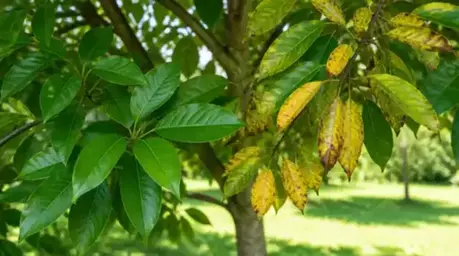
Healthy soil is the foundation of successful agriculture and gardening. It plays a crucial role in crop productivity and supports a balanced ecosystem. When we take care of our soil, we not only improve plant growth but also contribute to environmental sustainability!
Think about it: soil health affects everything from water filtration to carbon sequestration. If our soil is rich in nutrients, it can store more water and reduce the need for chemical fertilizers. By focusing on soil health, we can create a thriving landscape that is better for our plants and the planet.
- Improved crop yields
- Enhanced biodiversity
- Better pest control
Defining Sustainable Soil Management
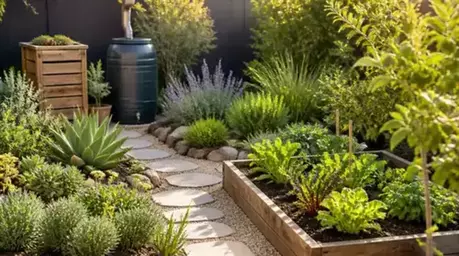
Sustainable soil management is about using practices that maintain soil health over the long term. This approach is essential for various audiences, including farmers, home gardeners, and regenerative agriculture operators. It requires understanding the unique needs of your soil and implementing practices that work for you.
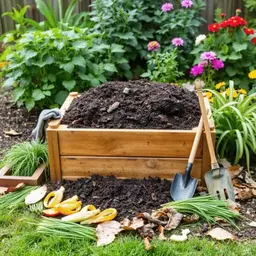
For example, a home gardener might focus on composting and mulching to enrich their garden beds, while a farmer may adopt crop rotation and cover cropping strategies. Both aim for the same goal: to create a vibrant, healthy soil ecosystem that supports thriving plants. Learning about composting as a simple gardening guide can be a great starting point for any gardener.
Core Principles of Soil Health Management
Minimizing Disturbance: No-Till and Reduced Tillage
Minimizing soil disturbance is one of the cornerstone principles of sustainable soil health management. Techniques like no-till and reduced tillage help preserve soil structure and prevent erosion. In fact, less disturbance leads to better moisture retention and can enhance organic matter content!
These methods not only protect soil from erosion but also promote a diverse range of organisms that are vital for nutrient cycling. By keeping our soil intact, we can create a more resilient landscape that supports healthy plant growth.
- No-till farming
- Reduced tillage practices
- Cover cropping to enhance soil structure
Keeping Soil Covered: The Role of Mulching and Cover Crops
Keeping the soil covered is another vital practice for maintaining soil health. Mulching and planting cover crops play a significant role in preventing erosion, retaining moisture, and improving the organic matter content of the soil. Let’s look at some effective options:
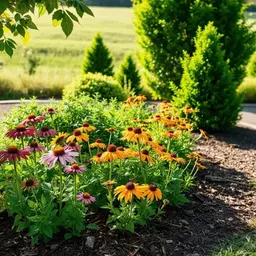
- Organic Mulch: Straw, wood chips, or grass clippings
- Cover Crops: Clover, vetch, or rye
- Green Manure: Planting crops that are later tilled back into the soil
These practices not only keep the soil healthy but also support a diverse soil ecosystem. Plus, they can reduce the need for additional fertilizers and water, which is a win-win for both your garden and the environment!
Maintaining Living Roots: Year-Round Plant Growth
Living roots are essential for healthy soil. They help to anchor the soil, absorb nutrients, and contribute to overall soil structure. By maintaining living roots in the soil, we can promote a thriving ecosystem that supports plant growth throughout the year. Have you considered using cover crops in your garden?
Cover crops can be a practical solution to ensure that your soil is never bare. They not only contribute to soil health but can also suppress weeds and reduce erosion. By incorporating them into your gardening practices, you're actively working towards a more sustainable landscape.
Increasing Biodiversity: Crop Rotation and Species Diversity
Enhancing soil health also involves increasing biodiversity through crop rotation and diverse planting strategies. By rotating crops, we can reduce pest populations and improve soil nutrient levels. This practice ensures that no single nutrient is depleted and helps maintain a balanced ecosystem.
Some key benefits of crop rotation include:
- Reduced soil erosion
- Improved soil structure
- Enhanced nutrient cycling
Whether you're a farmer or a home gardener, implementing these strategies can lead to more resilient and productive soil. Remember, a diverse planting strategy is key to a healthy garden and farm! For additional advice on this topic, explore cover crops for sustainable gardening.
Engage with Your Soil: A Thought-Provoking Question
As you consider the various sustainable practices for maintaining healthy soil, think about this: How does your current gardening or farming approach align with the principles of sustainable soil management we've discussed? Share your thoughts below!
Frequently Asked Questions About Soil Health
Q: Why is soil health important for agriculture and gardening?
A: Healthy soil is crucial for crop productivity, supports a balanced ecosystem, improves water filtration, enhances carbon sequestration, and reduces the need for chemical fertilizers. It directly impacts plant growth and overall environmental sustainability.
Q: What are the core principles of sustainable soil management?
A: The core principles include minimizing soil disturbance (no-till/reduced tillage), keeping soil covered (mulching/cover crops), maintaining living roots year-round, and increasing biodiversity (crop rotation/diverse planting).
Q: How does minimizing soil disturbance benefit soil?
A: Minimizing soil disturbance, through practices like no-till farming, preserves soil structure, reduces erosion, improves moisture retention, and enhances organic matter content, fostering a diverse range of beneficial organisms.
Q: What is the role of cover crops in maintaining soil health?
A: Cover crops protect against erosion, retain moisture, increase organic matter, suppress weeds, and ensure living roots are present in the soil year-round, which nourishes the soil ecosystem and contributes to overall soil structure.
Q: How does increasing biodiversity improve soil health?
A: Increasing biodiversity through crop rotation and diverse planting strategies reduces pest populations, improves soil nutrient levels by preventing depletion of single nutrients, and helps maintain a balanced, resilient soil ecosystem.
Summarizing Sustainable Practices for Healthy Soil
As we wrap up our exploration of sustainable practices for maintaining healthy soil, it’s essential to remember the key strategies that can make a significant difference for both farmers and home gardeners. Embracing these methods not only enhances soil vitality but also contributes to a thriving ecosystem. I believe that when we take care of our soil, we take care of our entire environment!
Here’s a quick recap of the essential practices we've discussed that can benefit your soil:
- Minimize Soil Disturbance: Adopting no-till or reduced tillage helps maintain soil structure and reduces erosion.
- Keep Soil Covered: Use mulching and cover crops to protect against erosion, retain moisture, and improve organic matter.
- Maintain Living Roots: Ensuring year-round plant growth, through practices like cover cropping, nourishes the soil.
- Increase Biodiversity: Implement crop rotation and diverse planting to enhance soil health and manage pests effectively.
Key Takeaways for Farmers and Gardeners
As you journey through enhancing your landscapes and growing your gardens, keep these core principles in mind for maintaining healthy soil. Each practice not only supports soil health but ultimately leads to more productive gardening and farming experiences. By incorporating these strategies, we can all contribute to a more sustainable future!
To summarize, here are some crucial takeaways:
- Invest in Organic Amendments: Compost, mulch, and manure can significantly boost soil fertility.
- Be Mindful of Erosion Control: Implementing windbreaks and cover cropping strategies provides protection to your soil.
- Adapt Practices to Soil Types: Understanding the unique needs of your soil can help tailor your approach effectively.
- Measure and Monitor Progress: Regular soil testing helps gauge the effectiveness of your sustainable practices.
Encouraging Continued Learning and Engagement
At Timberline Garden, I’m passionate about sharing knowledge to empower individuals in their gardening adventures. I encourage you to explore additional resources to deepen your understanding of sustainable soil practices. There are countless workshops and community initiatives that focus on soil health, and participating in these can be incredibly rewarding!
Here are some ways to keep the learning going:
- Attend local soil health workshops.
- Join community gardening groups to share experiences and tips.
- Read books and articles about sustainable practices in agriculture and gardening.
- Follow online forums and social media groups focused on soil health and sustainability.
By continuing to learn and engage with others, we can all contribute to a healthier planet. Together, let’s embrace these sustainable practices and make a lasting impact on our outdoor spaces! Remember, every small step counts toward creating a beautiful, thriving environment. You might also find valuable insights in our article on soil health essential for landscapes for further reading.
Recap of Key Points
Here is a quick recap of the important points discussed in the article:
- Minimize Soil Disturbance: Utilize no-till or reduced tillage practices to preserve soil structure and minimize erosion.
- Keep Soil Covered: Employ mulching and cover crops to protect against erosion, retain moisture, and enhance organic matter in the soil.
- Maintain Living Roots: Ensure year-round plant growth with cover crops to support soil health and structure.
- Increase Biodiversity: Use crop rotation and diverse planting strategies to improve soil health and manage pest populations effectively.
- Invest in Organic Amendments: Enhance soil fertility with compost, mulch, and manure.
- Monitor Soil Health: Regular soil testing is crucial to assess the effectiveness of your sustainable practices.