Are you aware that simple planting techniques can lead to remarkable improvements in soil health and biodiversity? Cover crops could be the game-changer in your sustainable gardening journey!
What You Will Learn
- Soil Health Improvement: Cover crops enhance soil structure and fertility, leading to robust growth.
- Nutrient Cycling: They help recycle essential nutrients, making them available for future crops.
- Weed Suppression: Cover crops reduce unwanted plant growth by competing for space and resources.
- Nitrogen Fixation: Leguminous cover crops convert atmospheric nitrogen into a usable form for plants.
- Carbon Sequestration: They capture carbon emissions, contributing to climate change mitigation.
- Water Conservation: Cover crops enhance water retention and reduce nutrient leaching, promoting healthier plants.
- Biodiversity Enhancement: These crops attract beneficial insects and microorganisms, fostering a balanced ecosystem.
- Implementation Strategies: Learn how to select, plant, and manage cover crops effectively for your garden's needs.
Key Benefits of Cover Crops in Sustainable Gardening
Cover crops significantly enhance soil health and contribute to a sustainable gardening environment. Below are the key benefits outlined for a clear comparison.
Soil Improvement
Cover crops enhance soil structure and fertility, promoting healthier plant growth.
Nutrient Cycling
These crops help recycle nutrients, making them available for future crops.
Weed Suppression
By taking up space, cover crops minimize the growth of unwanted plants.
Carbon Sequestration
Cover crops capture carbon from the atmosphere, aiding in climate resilience.
The Importance of Cover Crops in Sustainable Gardening
As a landscape and tree care expert, I often emphasize the significance of sustainable gardening practices. One of the most effective methods is the use of cover crops. These crops not only contribute to soil health but also enhance the overall biodiversity of your garden. So, what exactly are cover crops, and why should you consider them in your gardening journey? For more insights into sustainable practices, consider exploring native plants for sustainable landscapes.
Understanding Cover Crops: Definition and Benefits
Defining Cover Crops and Their Role in Gardening
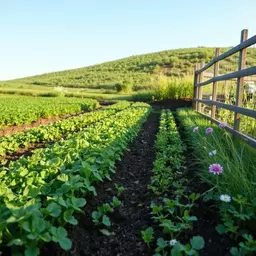
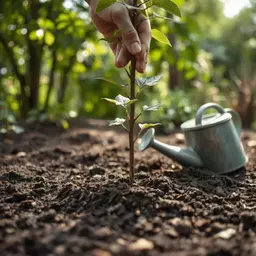
Cover crops are plants grown primarily to improve soil health rather than for direct harvest. They play a crucial role in protecting the soil when it's not in use. By covering the ground, they prevent erosion and suppress weeds while enriching the soil with organic matter. Isn't it exciting to know that simple planting can yield such significant benefits?
Overview of Benefits for Sustainable Practices
When it comes to sustainable gardening, cover crops offer numerous advantages. Here are a few key benefits:
- Soil Improvement: They enhance soil structure and fertility.
- Nutrient Cycling: Cover crops help in recycling nutrients, making them available for future crops.
- Weed Suppression: By taking up space, they minimize the growth of unwanted plants.
With these benefits in mind, you can see how cover crops serve as a powerful ally in your garden. They promote a thriving ecosystem and ensure that your gardening practices contribute positively to the environment.
Enhancing Soil Health Through Cover Crops
Improving Soil Structure and Organic Matter
One of the primary roles of cover crops is to improve soil structure. Their roots help create spaces in the soil, allowing air and water to permeate more effectively. Over time, as these crops decompose, they enrich the soil with organic matter. This not only boosts fertility but also leads to more robust plant growth!
Encouraging Nutrient Cycling and Retention
Cover crops are champions of nutrient cycling. They absorb nutrients during their growth, preventing leaching during heavy rains. When you incorporate these crops into your gardening routine, you’ll notice a substantial increase in nutrient retention, which translates to healthier plants. This approach goes hand-in-hand with composting, a simple gardening guide that further enhances soil fertility.
Nitrogen Fixation: The Role of Legumes
Leguminous cover crops, such as clover and vetch, have a special ability to fix nitrogen in the soil. This means they convert atmospheric nitrogen into a form that plants can use. Adding legumes to your garden not only enriches the soil but also enhances the growth potential of your cash crops! Remember, a well-nourished soil leads to thriving plants.
Phosphorus Cycling for Improved Soil Fertility
Phosphorus is another essential nutrient that cover crops can help with. Certain cover crops, like buckwheat, can tap into phosphorus that would otherwise be unavailable to your plants. By planting cover crops, you encourage better phosphorus cycling, which improves soil fertility and productivity.
Carbon Sequestration: Long-term Benefits for Climate Resilience
Lastly, cover crops play an essential role in carbon sequestration. They capture carbon from the atmosphere and store it in the soil, helping mitigate climate change. This long-term benefit not only enhances soil health but also makes your garden more resilient to environmental changes. Isn’t it rewarding to know that your gardening efforts can contribute to a healthier planet?
Protecting Against Soil Erosion and Weed Growth
How Cover Crops Mitigate Soil Erosion
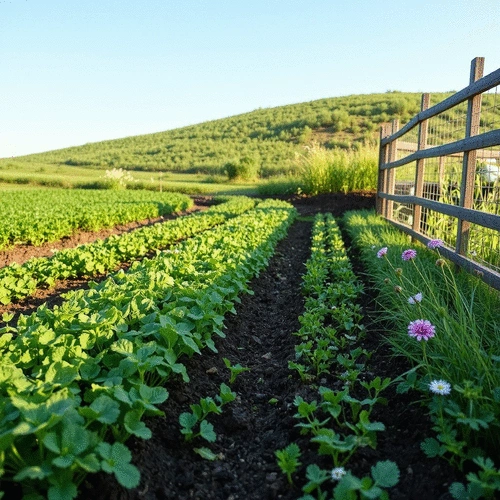
Soil erosion is a common concern for many gardeners, especially those with sloped areas. Cover crops help hold the soil in place, preventing it from washing away during heavy rains. Imagine planting a lush cover crop and watching it serve as a protective blanket for your soil!
Effective Weed Suppression Techniques
Weeds can be a gardener's worst nightmare, but cover crops serve as a natural barrier against them. They compete for space, sunlight, and nutrients, effectively suppressing weed growth. By incorporating cover crops into your rotation, you can reduce the need for chemical herbicides, promoting a more sustainable gardening approach.
Utilizing Green Manure for Enhanced Erosion Control
Green manure is a term used for cover crops that are tilled back into the soil to enhance its quality. Not only does this practice provide nutrients, but it also adds structure to the soil, helping to combat erosion. If you're looking for a natural way to improve soil health while protecting against erosion, using green manure is a fantastic option!
Improving Water Quality and Conservation
Reducing Nutrient Leaching and Runoff
Cover crops play a vital role in protecting water quality. They help to reduce nutrient leaching and runoff, ensuring that fertilizers remain in the soil where they belong. By preventing excess nutrients from entering waterways, you contribute to a healthier ecosystem.
Enhancing Water Infiltration and Retention
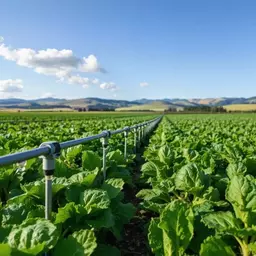
Another fantastic benefit of cover crops is their ability to enhance water infiltration and retention. Their roots create pathways in the soil, allowing water to soak in rather than run off. This means less water waste and more moisture available for your plants, especially during dry spells!
Soil Moisture Management with Cover Crops
Managing soil moisture is crucial for successful gardening. Cover crops help maintain moisture levels by providing shade to the soil and reducing evaporation. This simple strategy can make a big difference in the health of your plants, especially during the hot summer months. For more comprehensive water management strategies, explore designing a water-efficient garden.
Promoting Biodiversity and Pest Management
Encouraging Beneficial Insects and Soil Microorganisms
Biodiversity is a cornerstone of sustainable gardening, and cover crops can help foster a diverse ecosystem. They attract beneficial insects, such as pollinators, and support a healthy population of soil microorganisms. This means a more balanced garden where natural pest control can thrive!
Cover Crops as Natural Pest Deterrents
Some cover crops can even deter pests, acting as a natural barrier. For example, certain plants can repel specific insects, reducing the need for chemical pesticides. Incorporating these plants into your strategy can create a safer environment for your garden!
Intercropping Techniques for Increased Biodiversity
Intercropping is a technique where you plant different crops in proximity. Using cover crops alongside your main crops can increase diversity and improve resilience. By mixing it up in your garden, you bolster the ecosystem and can even improve crop yields!
Gardener-Specific Strategies for Effective Use
Choosing the Best Cover Crop Species for Small Plots
When selecting cover crops for small plots, consider species that grow quickly and are easy to manage. Some excellent options include clover, rye, and buckwheat. These are not only effective but also require minimal resources, making them perfect for compact spaces!
Timing for Planting and Termination of Cover Crops
Timing is critical when working with cover crops. Generally, you’ll want to plant them in the fall after your main crops have been harvested. Knowing when to terminate them is equally important to prevent them from becoming weeds themselves. Aim to till them back into the soil before they flower!
Integration of Cover Crops with Composting and Raised Beds
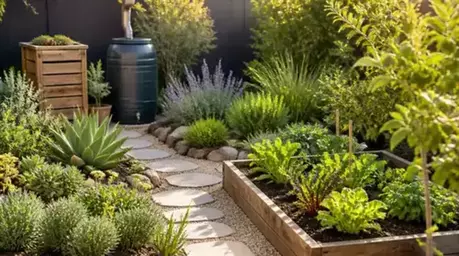
Integrating cover crops with composting and raised beds can maximize their benefits. They can add organic matter to your compost while also improving the structure of your raised beds. This approach not only enhances soil health but also creates a productive garden space.
Utilizing Mulching for Enhanced Soil Protection
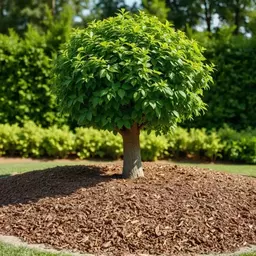
Don’t forget about the power of mulching! Cover crops combined with mulch create a protective layer for your soil. This can help retain moisture, suppress weeds, and keep your garden looking neat. It’s a win-win for both appearance and health! For additional benefits of mulch, read more about mulch benefits for tree growth.
Real-world Applications: Urban Gardening Case Studies
Examples of Effective Cover Crop Use in Urban Settings
Urban gardening is on the rise, and cover crops can play a pivotal role in these spaces. Many city gardeners have successfully implemented cover crops to improve soil health and manage pests effectively. From rooftop gardens to community plots, the positive impacts are clear!
Measuring Economic Profitability in Urban Gardens
Using cover crops can also enhance the economic viability of urban gardens. By improving soil fertility and reducing the need for synthetic fertilizers, gardeners can save money over time. Isn’t it great to think that sustainable practices can also lead to financial benefits?
Field Management Practices in Urban Agriculture
Effective field management is key in urban agriculture. Cover crops fit perfectly into this framework, allowing urban gardeners to maximize productivity while minimizing environmental impact. It’s all about finding the balance between nature and urban living!
Addressing Common Challenges and FAQs
Challenges in Implementing Cover Crops for Beginners
For beginners, implementing cover crops can seem daunting. Some common challenges include choosing the right species and managing their growth. However, with a little research and patience, you can overcome these hurdles and reap the benefits!
FAQs: Seeding Rates, Varieties, and Maintenance Tips
Understanding seeding rates and maintenance is essential for success. Typically, cover crops should be sown at rates of 60-120 pounds per acre, depending on the species. Don't hesitate to reach out to local garden centers or extensions for specific advice tailored to your region!
Understanding Soil Compaction and How Cover Crops Help
Soil compaction can hinder plant growth, but cover crops can help alleviate this issue. Their roots penetrate compact layers, creating channels for air and water. By incorporating cover crops, you'll be promoting healthier soil and more vigorous growth in your garden!
Frequently Asked Questions About Cover Crops
Q: What are cover crops and why are they important?
A: Cover crops are plants grown primarily to improve soil health rather than for direct harvest. They are crucial for preventing erosion, suppressing weeds, enriching soil with organic matter, and enhancing biodiversity in your garden.
Q: How do cover crops improve soil health?
A: Cover crops improve soil health by enhancing soil structure, increasing organic matter, promoting nutrient cycling and retention (including nitrogen fixation by legumes and phosphorus cycling), and sequestering carbon from the atmosphere.
Q: Can cover crops help with weed control?
A: Yes, cover crops are effective in suppressing weeds. They compete for space, sunlight, and nutrients, naturally minimizing the growth of unwanted plants and reducing the need for chemical herbicides.
Q: How do cover crops contribute to water conservation?
A: Cover crops reduce nutrient leaching and runoff, enhance water infiltration and retention, and help manage soil moisture by shading the ground and reducing evaporation. This leads to less water waste and more moisture availability for plants.
Q: What are some tips for beginners on using cover crops?
A: For beginners, it's important to choose species that grow quickly and are easy to manage, such as clover, rye, or buckwheat. Plant them in the fall after your main crops are harvested and terminate them before they flower to prevent them from becoming weeds. Research specific seeding rates and maintenance tips for your region.
Pro Tip
To maximize the benefits of cover crops, consider planting a mix of species. Diverse cover crops can enhance soil health by improving nutrient availability and attracting a wider range of beneficial insects, leading to a more resilient and thriving garden ecosystem.
Summarizing the Role of Cover Crops in Sustainable Gardening
Cover crops have emerged as vital players in the realm of sustainable gardening. They not only enhance soil health but also contribute to a balanced ecosystem. Remember, sustainable practices are all about creating harmony with nature, and cover crops are perfect for achieving this goal!
As we reflect on the numerous benefits of cover crops, it’s clear they are integral to enhancing soil structure and preventing erosion. They foster a healthy environment that supports nutrient cycling, ultimately leading to more robust gardens. By integrating cover crops, we are not just improving our gardens; we are also making strides toward ecological balance.
Key Takeaways on Soil Health and Erosion Control
When it comes to soil health, cover crops offer a wealth of benefits. Here’s a quick recap of how they contribute:
- Enhancing Soil Structure: Cover crops improve soil texture, making it easier for roots to penetrate.
- Preventing Erosion: They create a protective layer over the soil, reducing the risk of erosion during rainfall.
- Supporting Nutrient Retention: By promoting nutrient cycling, these crops ensure that essential elements stay in the soil.
Each of these elements plays a critical role in achieving our sustainability goals. By focusing on soil health through cover crops, gardeners can create a more resilient and productive landscape. For those interested in further enhancing their outdoor spaces, consider learning about building a sustainable landscape design.
It's also important to highlight the role of agroecology in our gardening practices. Agroecology emphasizes the importance of understanding and working with natural ecosystems, which aligns beautifully with the objectives of using cover crops. Together, they foster a more sustainable approach to gardening.
Encouragement to Implement Cover Crops in Your Garden
If you’re inspired to take action, implementing cover crops in your garden is a fantastic way to start! Here are some simple steps to get you going:
- Choose the Right Cover Crop: Select species that suit your climate and gardening goals.
- Plant at the Right Time: Timing is crucial for the effectiveness of cover crops.
- Incorporate into Your Routine: Make cover cropping a regular part of your gardening practice.
At Timberline Garden, we’re committed to helping you succeed. Whether you’re a seasoned gardener or just starting out, there are plenty of resources available to support you. Local gardening clubs and online forums can be great places to connect with others who share your passion! For expert assistance with your larger landscape needs, learn more about professional tree care services explained.
Lastly, don’t hesitate to reach out for guidance. I’m always here to help with tips and advice tailored to your specific needs. Together, we can make your garden thrive, all while contributing positively to the environment!
Recap of Key Points
Here is a quick recap of the important points discussed in the article:
- Definition and Benefits: Cover crops improve soil health by preventing erosion, suppressing weeds, and enriching the soil with organic matter.
- Nutrient Management: These crops enhance nutrient cycling and retention, promoting healthier plants and reducing reliance on synthetic fertilizers.
- Soil Structure Improvement: The roots of cover crops create spaces in the soil for air and water, which boosts soil structure and fertility.
- Water Conservation: Cover crops improve water infiltration and retention, ensuring better moisture availability for plants.
- Biodiversity Enhancement: They promote beneficial insects and soil microorganisms, contributing to a balanced ecosystem and natural pest management.
- Urban Gardening Applications: Cover crops can enhance soil health and economic viability in urban gardens, making them a sustainable choice in city settings.
- Implementation Strategies: Choose the right species, plant at the appropriate time, and integrate cover crops into your gardening routine for optimal benefits.