Transforming your garden into a stunning, illuminated retreat can truly enhance your outdoor experience. What if the right lighting could turn ordinary nights into extraordinary gatherings? Delving into the world of landscape lighting reveals not just aesthetic enhancements, but also practical benefits that can elevate your garden to new heights.
What You Will Learn
- Proper landscape lighting improves safety by illuminating pathways and preventing accidents.
- Good lighting design enhances security, deterring intruders and providing peace of mind.
- Layering different types of lighting creates visual interest and a balanced ambiance in your garden.
- Choosing energy-efficient options like LED fixtures can save you money in the long run.
- Understanding the costs associated with different lighting types helps you budget effectively for your project.
- Visual planning tools, such as layout diagrams, help streamline the installation process and ensure cohesive design.
- DIY landscape lighting can be a rewarding way to personalize your garden, with many resources available for guidance.
Cost Breakdown of Landscape Lighting Options
Understanding the costs involved in different types of landscape lighting can help you budget effectively for your project. For more insights on creating beautiful and efficient outdoor spaces, consider exploring building a sustainable landscape design.
Solar Path Lights
$20 - $60 each
LED Spotlights
$50 - $150 each
Wall-mounted Fixtures
$40 - $120 each
String Lights
$30 - $100 per set
Understanding Landscape Lighting: The Importance of Garden Enhancement
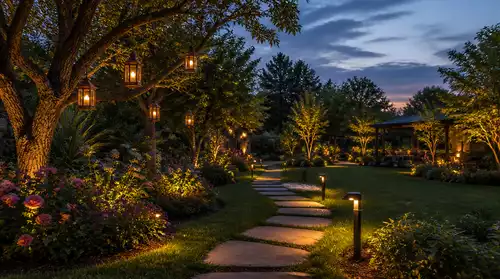
When it comes to creating a stunning outdoor space, landscape lighting plays a vital role. Not only does it enhance your garden's beauty after the sun sets, but it also provides safety and security. Imagine walking through a beautifully lit path, with warm lights highlighting your favorite plants and features—it's like stepping into a dream!
Choosing the right landscape lighting can elevate your garden from ordinary to extraordinary. Have you ever considered how much the right lighting can transform your outdoor experience? Well, it can set the mood for gatherings and create a welcoming atmosphere for family and friends. At Timberline Garden, I believe that every garden deserves to shine, especially at night!
Why Choose the Right Landscape Lighting?
Choosing the right landscape lighting is essential for several reasons. It not only enhances the visual appeal of your garden but also extends the usability of your outdoor space. Just think about enjoying a warm summer evening in your garden, surrounded by soft lights—sounds lovely, right? To further enhance your garden's aesthetic and ecological value, consider incorporating native plants for sustainable landscapes, which thrive in local conditions and support biodiversity.
Here are some key reasons to consider when selecting your lighting:
- Safety: Proper lighting helps prevent accidents on pathways and stairs.
- Security: Well-lit areas deter potential intruders and provide peace of mind.
- Aesthetic Appeal: Thoughtful lighting highlights your garden's best features, adding character.
- Functionality: Lighting allows you to enjoy your garden during evening hours.
Key Factors for Effective Garden Lighting Design
Designing effective garden lighting requires careful planning and consideration. Start by assessing the key elements of your garden that deserve illumination, such as pathways, focal points, and seating areas. It’s important to create a balance between light and shadow to achieve a natural look.
Here are some crucial factors to keep in mind while designing your lighting:
- Layering: Incorporate various types of lighting—ambient, task, and accent—for a well-rounded effect.
- Placement: Ensure lights are strategically placed to highlight features without causing glare.
- Color Temperature: Choose warm white lights to create a cozy ambiance that invites relaxation.
- Energy Efficiency: Opt for LED fixtures to save on energy costs and reduce environmental impact.
By considering these factors, you'll be well on your way to creating a stunning nighttime landscape that reflects your style and enhances your outdoor experience. Remember, it's all about making your garden feel like a cozy extension of your home! At Timberline Garden, I want to help you design a space that’s both beautiful and practical.
Quick Summary
Here's a brief recap of the key points discussed so far:
- The Role of Landscape Lighting: It enhances beauty, safety, and functionality in outdoor spaces.
- Key Factors for Effective Design: Consider layering, placement, color temperature, and energy efficiency when planning your lighting.
- Cost Considerations: Understand the differences in costs and benefits between solar and traditional lighting options.
Evaluating Costs and Options for Landscape Lighting Projects
When it comes to enhancing your garden with landscape lighting, understanding the costs involved is crucial. Knowing what to expect can help you budget effectively and make informed decisions. At Timberline Garden, we believe that every homeowner should have access to reliable information, especially when creating a beautiful outdoor space!
One of the first things to consider is the type of lighting you want to install. Different fixtures come with varying price points. For instance, you might find that solar lights are more affordable upfront, but traditional wired options might offer better longevity and performance. Let’s break it down:
- Solar Lights: Generally cost-effective, but can vary in quality.
- LED Fixtures: Higher initial cost, but energy-efficient and longer-lasting.
- Halogen Lights: Budget-friendly, but less energy-efficient and shorter lifespan.
By understanding these options, you can tailor your project according to your budget and preferences. It’s all about finding what best fits your needs while enhancing the beauty of your landscape!
Cost Breakdown: Understanding Expenses by Lighting Type
To navigate the costs effectively, let’s dive deeper into what you can expect when budgeting for different lighting types. Here’s a simple overview that can help you visualize where your money might go:
- Solar Path Lights: $20 - $60 each
- LED Spotlights: $50 - $150 each
- Wall-mounted Fixtures: $40 - $120 each
- String Lights: $30 - $100 per set
As you evaluate these costs, remember that investing in quality can pay off in the long run. Durable fixtures often require less maintenance and can save you money on energy bills!
Fixture Durability and Energy Efficiency Considerations
As you plan your landscape lighting project, consider both durability and energy efficiency. These factors will not only impact your initial investment but also your long-term satisfaction. Choosing energy-efficient options, like LED lights, can significantly reduce energy consumption, which benefits both your wallet and the environment. For professional insights into maintaining your overall landscape, you might also be interested in what professional tree care services explained can offer.
Here are some key points to think about:
- Durability: Look for fixtures made from high-quality materials that can withstand the elements.
- Energy Efficiency: Opt for LED or solar lighting to minimize energy usage and costs.
- Maintenance: Select fixtures that are easy to clean and maintain to keep them looking fresh!
At Timberline Garden, we appreciate how vital it is to find the perfect balance between style and functionality!
Comparing Solar Spotlights and Traditional Lighting Options
As you explore your lighting options, you may wonder whether to go solar or stick with traditional wired fixtures. Each has its own unique benefits, so let’s take a closer look:
- Solar Spotlights: Easy to install, no wiring required, and environmentally friendly.
- Traditional Fixtures: Typically brighter and more reliable for long-term use, especially in shaded areas.
- Cost-Effectiveness: Solar lights may save you money on energy bills; traditional options can be more cost-effective over time due to durability.
Ultimately, the choice between the two should align with your garden’s specific needs and your aesthetic preferences. It’s all about creating a beautiful space that you love!
Visual Planning Tools and Resources for Your Lighting Design
Now that you have a handle on costs and options, it’s time to delve into the visual aspects of your landscape lighting design. Proper planning can make a significant difference in achieving a cohesive look that enhances your garden’s features.
Utilizing visual planning tools can help you visualize your ideas before implementing them. From layout diagrams to inspiring transformations, having a plan can make the process feel less overwhelming. Here’s how you can get started:
- Sketch Your Layout: Create a rough drawing of your garden, marking where you want to place lights.
- Use Online Tools: There are many free software options available for landscape design that can aid in visual planning.
- Before-and-After Photos: Look at examples of similar projects to inspire your design!
Remember, at Timberline Garden, we’re dedicated to helping you feel empowered in your landscaping journey!
Using Layout Diagrams for Effective Garden Lighting Setup
Layout diagrams are an essential part of the planning process. They allow you to visualize where each lighting fixture will go, helping to ensure that you achieve the desired ambiance and safety. Here are some tips for creating effective diagrams:
- Mark Key Features: Identify trees, pathways, and water features that you want to highlight.
- Consider Angles: Think about how light will interact with your garden features, especially at night.
- Adjust as Necessary: Be flexible with your layout; it’s okay to make changes as you go!
Having a clear visual plan can save you time and resources during installation. Plus, it ensures that you’re making the most of your outdoor space!
Before-and-After Visuals: Inspiring Transformations
Seeing is believing! Before-and-after visuals can be incredibly motivating as you embark on your landscape lighting project. They provide real-life examples of how strategic lighting can transform a garden from ordinary to extraordinary.
When exploring these visuals, consider:
- How Lighting Changed the Ambiance: Notice how different lighting types create various moods.
- Focal Points: Pay attention to how specific features are highlighted in the after photos.
- Overall Layout: Observe the arrangement of lights and how they contribute to the space.
At Timberline Garden, we love sharing success stories that can inspire your journey to creating a stunning outdoor environment!
DIY Landscape Lighting: Tips and Resources for Homeowners
If you’re feeling adventurous, a DIY approach to landscape lighting can be a rewarding way to personalize your garden. With some planning and creativity, you can save on costs while adding your unique touch. Here are some tips to get you started:
- Start Small: Consider beginning with a few key areas, such as pathways or seating areas.
- Choose User-Friendly Fixtures: Opt for lights that are easy to install and require minimal tools.
- Research Resources: Look for online tutorials or local workshops that can guide you through the process.
Remember, it’s all about making your outdoor space reflect who you are, and we’re here to help you every step of the way!
FAQs About Landscape Lighting
Here are some frequently asked questions to help clarify common concerns about landscape lighting:
- 1. Why is landscape lighting important for my garden?
- Landscape lighting enhances your garden's beauty after sunset, provides safety by illuminating pathways, and improves security by deterring intruders. It also extends the usability of your outdoor space into the evening hours.
- 2. What are the key factors to consider when designing garden lighting?
- Important factors include layering different types of lighting (ambient, task, accent), strategic placement to highlight features without glare, choosing warm white color temperatures for a cozy ambiance, and opting for energy-efficient fixtures like LEDs.
- 3. What are the typical costs for different types of landscape lighting?
- Costs vary by type: Solar path lights typically range from $20-$60 each, LED spotlights from $50-$150 each, wall-mounted fixtures from $40-$120 each, and string lights from $30-$100 per set. Investing in quality often leads to long-term savings.
- 4. Should I choose solar or traditional wired lighting?
- Solar spotlights are easy to install, require no wiring, and are environmentally friendly. Traditional wired fixtures are generally brighter and more reliable, especially in shaded areas. The best choice depends on your specific needs, budget, and aesthetic preferences.
- 5. Are there tools to help with planning my landscape lighting design?
- Yes, visual planning tools like layout diagrams are highly effective. You can sketch your garden, mark where lights should go, and use online software for landscape design. Looking at before-and-after photos of similar projects can also provide inspiration.
- 6. Can I install landscape lighting myself?
- Absolutely! DIY landscape lighting can be a rewarding way to personalize your garden and save costs. Start with smaller areas, choose user-friendly fixtures, and research online tutorials or local workshops for guidance.
Final Thoughts on Enhancing Your Garden with Landscape Lighting
As you embark on your journey to enhance your garden with beautiful landscape lighting, keep in mind that every project is unique. With careful planning, you can create a stunning outdoor environment that not only enhances your property but also brings you joy! Delve deeper into making your outdoor spaces both beautiful and environmentally friendly by considering sustainable landscape maintenance strategies.
So, what are the next steps for your garden lighting project? Start by gathering inspiration, sketching your layout, and researching the right fixtures that fit your style and budget. At Timberline Garden, we believe in empowering homeowners to take charge of their outdoor spaces!
Next Steps for Your Garden Lighting Project
Once you have the groundwork laid out, it’s time to take action! Here are some steps to consider:
- Finalize Your Plan: Review your sketches and adjust as needed.
- Purchase Fixtures: Invest in quality lights that suit your design.
- Installation: Set aside time to install, or consider hiring a professional if needed.
By following these steps, you’ll ensure a successful landscape lighting project!
Encouraging Reader Engagement: Share Your Own Lighting Ideas
We love hearing from our community! If you have your own landscape lighting ideas or have successfully transformed your garden, we want to know. Sharing your experiences can inspire others and foster a sense of community among fellow garden enthusiasts.
Feel free to leave a comment below or connect with us on social media. Let’s continue to empower each other to create beautiful, vibrant outdoor spaces that everyone can enjoy!
Recap of Key Points
Here is a quick recap of the important points discussed in the article:
- Importance of Landscape Lighting: Enhances beauty, safety, and usability of outdoor spaces.
- Key Factors in Lighting Design: Incorporate layering, strategic placement, and consider color temperature and energy efficiency.
- Cost Considerations: Understand the price differences between solar, LED, and traditional lighting options to budget effectively.
- Visual Planning: Use layout diagrams and online tools to create a cohesive lighting design before installation.
- DIY Tips: Start small, choose user-friendly fixtures, and leverage online resources for guidance.