Are you ready to unlock the full potential of your landscape? A well-crafted tree care plan is not just an option; it's a necessity for a thriving outdoor space!
What You Will Learn
- Tailored Care: Every tree species has unique needs, making customized care essential for their health and longevity.
- Long-Term Investment: A proactive tree maintenance plan can prevent costly issues and extend the lifespan of your trees.
- Utilizing Resources: Age-based care tables and seasonal calendars are invaluable tools for optimizing tree care and maintenance schedules.
- Soil Health: Assessing soil quality and using appropriate fertilization techniques are crucial for promoting tree growth.
- Pest Management: Implementing Integrated Pest Management (IPM) strategies can protect your trees while being environmentally friendly.
- Sustainable Practices: Incorporating sustainability into your tree care plan benefits both your trees and the wider ecosystem.
Key Elements of a Comprehensive Tree Care Plan
Understanding the elements that contribute to effective tree care can enhance the health of your landscape. Below is a visual representation of these elements and their benefits.
Species-Specific Needs
Different tree species require tailored care for optimal growth, affecting water, light, and nutrient needs.
Age Considerations
Young trees need more nurturing while mature trees may require specific pruning to maintain structure.
Environmental Factors
Soil quality, weather, and local pests significantly impact tree care strategies.
Cost Efficiency
Regular maintenance can prevent costly damage, ensuring long-term savings.
Enhanced Aesthetics
Well-maintained trees enhance the overall beauty of your property.
Increased Longevity
Proper care extends the lifespan of your trees, allowing years of enjoyment.
Understanding the Importance of a Comprehensive Tree Care Plan
When it comes to maintaining a beautiful landscape, having a comprehensive tree care plan is essential! Trees are not just aesthetic elements; they serve as vital components of our ecosystem, offering shade, improving air quality, and enhancing our property’s value. As a passionate landscape expert at Timberline Garden, I believe a well-thought-out tree care strategy can lead to healthier trees and a more vibrant outdoor space. For more detailed insights into effective tree management, consider exploring professional tree care services explained.
But why exactly does every landscape need a tailored tree care strategy? The answer is simple: not all trees are the same, and their needs can vary greatly based on the species, age, and environment. A customized approach ensures that each tree receives the right amount of care, promoting long-term health and sustainability. Let’s dive into why a tree care plan is so important!
Why Every Landscape Needs a Tailored Tree Care Strategy
Every tree in your yard has its own set of needs, and understanding these can make a huge difference in their health and appearance. Here are some key reasons why a tailored tree care strategy is necessary:
- Species-Specific Needs: Different tree species have unique requirements for water, light, and nutrients.
- Age Considerations: Young trees require more nurturing, while mature trees may need specific pruning techniques to maintain their structure.
- Environmental Factors: Soil quality, weather patterns, and local pests can all influence how trees should be cared for.
By customizing your approach, you can ensure that your trees thrive in their specific environment, leading to a more resilient landscape. At Timberline Garden, I’ve seen firsthand how a thoughtful strategy can transform an ordinary yard into an extraordinary oasis!
Benefits of Developing a Long-Term Tree Maintenance Plan
Creating a long-term tree maintenance plan is not just a chore; it’s an investment in the future of your landscape. Here are some benefits to consider:
- Cost Efficiency: Regular maintenance can prevent costly issues down the line, such as pest infestations or severe damage from storms.
- Enhanced Aesthetics: A well-maintained tree stands out and enhances the overall appearance of your property.
- Increased Tree Longevity: Proper care and attention can extend the lifespan of your trees, allowing you to enjoy their beauty for many years.
These benefits demonstrate how a proactive approach can lead to a thriving landscape. I encourage all homeowners to think about creating a tree maintenance plan that aligns with their landscape goals. After all, a little effort goes a long way in preserving the beauty of our outdoor spaces! For practical advice on seasonal tree care, check out our guide on seasonal tree care for homeowners.
Quick Summary
Here's a brief recap of the key points discussed so far:
- Tailored Tree Care: Understanding species-specific needs, age considerations, and environmental factors is crucial for tree health.
- Long-Term Benefits: A comprehensive maintenance plan can lead to cost efficiency, enhanced aesthetics, and increased tree longevity.
- Additional Resources: Incorporating tools like age-based care tables and seasonal calendars can streamline your tree care efforts.
Enhancing Your Tree Care Plan with Additional Resources
To truly take your tree care plan to the next level, incorporating additional resources is essential. At Timberline Garden, I believe that even a small change can significantly impact the health and beauty of your landscape. By utilizing the right tools and techniques, you can ensure that your trees receive the best care possible!
Here are some valuable resources that can help enhance your tree care plan and ensure your trees thrive in their environment:
- Age-based care tables
- Seasonal care calendars
- Soil quality and fertilization techniques
- Pest control strategies
- Sustainable gardening practices
Utilizing Age-Based Care Tables for Optimal Maintenance
Age-based care tables are fantastic tools for understanding the specific needs of your trees at different life stages. With these tables, you can tailor your care strategies based on whether your trees are young saplings or mature giants! This way, you can address their unique growth requirements effectively. To learn more about nurturing new trees, read our article on caring for young trees effectively.
Some key factors to consider when using age-based care tables include:
- Watering frequency and amount
- Pruning techniques suitable for their age
- Fertilization schedules
- Common pests to watch out for
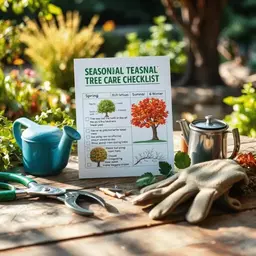
Creating Seasonal Calendars for Effective Tree Care
Having a seasonal calendar for your tree care activities can help you stay organized and proactive! This approach ensures that you don’t miss critical maintenance tasks throughout the year. I recommend marking important dates for watering, fertilizing, and pruning to create a consistent routine.
Here’s a simple outline for a seasonal calendar:
- Spring: Fertilization and inspection for new growth
- Summer: Regular watering and pest monitoring
- Fall: Pruning and preparing for winter
- Winter: Assessing tree health and planning for the next season
Incorporating Soil Quality and Fertilization Techniques
The health of your trees starts from the ground up! Ensuring good soil quality is crucial for their growth. Assessing soil pH, texture, and drainage can guide your fertilization strategies. At Timberline Garden, I often emphasize the importance of organic amendments that can enhance soil health over time.
When considering fertilization, remember these tips:
- Use slow-release fertilizers for sustained nutrition
- Test your soil regularly to tailor your fertilization approach
- Consider natural options like compost to enrich the soil
Implementing Pest Control and Integrated Pest Management
Managing pests is vital to maintaining the health of your trees. Integrated Pest Management (IPM) combines various strategies to minimize damage while being eco-friendly. By observing your trees regularly and identifying pest issues early, you can take effective action!
Here are some effective pest control strategies:
- Regular inspection for signs of pests
- Encouraging natural predators in your garden
- Using organic pest control methods
- Implementing barriers or traps for specific pests
Exploring Sustainable Practices in Tree Care
Sustainability is at the heart of a thriving landscape! Adopting sustainable practices not only benefits your trees but also the environment. This might involve choosing native tree species or implementing water-saving techniques that promote healthy growth without excessive resource use. Discover more about sustainable tree care for homeowners to further enhance your landscaping efforts.
Some sustainable practices I recommend include:
- Utilizing rainwater for irrigation
- Choosing drought-resistant tree varieties
- Reducing chemical use in favor of organic options
- Promoting biodiversity in your landscape
Frequently Asked Questions About Tree Care Plans
Why is a tailored tree care strategy important?
A tailored strategy is crucial because different tree species, ages, and environmental conditions have unique needs. Customizing care ensures each tree receives the right amount of water, light, and nutrients, promoting optimal health and longevity.
What are the key benefits of a long-term tree maintenance plan?
A long-term plan offers several benefits, including cost efficiency by preventing costly issues, enhanced aesthetics that boost property value, and increased tree longevity, allowing you to enjoy your trees for many years.
How can age-based care tables help with tree maintenance?
Age-based care tables provide guidance on the specific needs of trees at different life stages, from young saplings to mature trees. This helps you tailor watering, pruning, and fertilization techniques to their unique growth requirements.
What is Integrated Pest Management (IPM)?
IPM is an eco-friendly approach to pest control that combines various strategies to minimize damage. It involves regular inspection, encouraging natural predators, using organic methods, and implementing barriers or traps to manage pests effectively.
What are some sustainable practices for tree care?
Sustainable practices include utilizing rainwater for irrigation, choosing drought-resistant or native tree varieties, reducing chemical use in favor of organic options, and promoting biodiversity within your landscape to support a healthy ecosystem.
Summary of Key Takeaways for Effective Tree Care Planning
In summary, enhancing your tree care plan involves understanding and utilizing various additional resources that cater to your trees’ unique needs. By implementing age-based care tables, seasonal calendars, soil quality assessments, pest management strategies, and sustainable practices, you can create a thriving landscape that reflects your dedication to tree care!
Remember, it’s all about taking small, consistent steps to ensure your trees flourish. As you embark on this journey, feel free to reach out to Timberline Garden for any guidance or support you may need! Together, we can cultivate a landscape that you’ll cherish for years to come!
Call to Action: Start Crafting Your Tree Care Plan Today
Access downloadable templates and checklists for your landscape today! They’ll make the process of creating a tailored tree care plan easy and fun! Join our community of landscape care enthusiasts and share your journey with others who share your passion for tree care!
Recap of Key Points
Here is a quick recap of the important points discussed in the article:
- Tailored Tree Care Strategy: Every tree has unique needs based on species, age, and environment, necessitating a customized approach for optimal health.
- Long-Term Maintenance Benefits: Regular maintenance not only enhances aesthetics but also prevents costly issues and increases the longevity of your trees.
- Utilizing Resources: Incorporate age-based care tables, seasonal calendars, and soil quality assessments to effectively manage tree care.
- Pest Management: Implement Integrated Pest Management (IPM) strategies for eco-friendly pest control and early intervention.
- Sustainable Practices: Adopt sustainable gardening practices like using native species and water-saving techniques to promote a healthy ecosystem.